
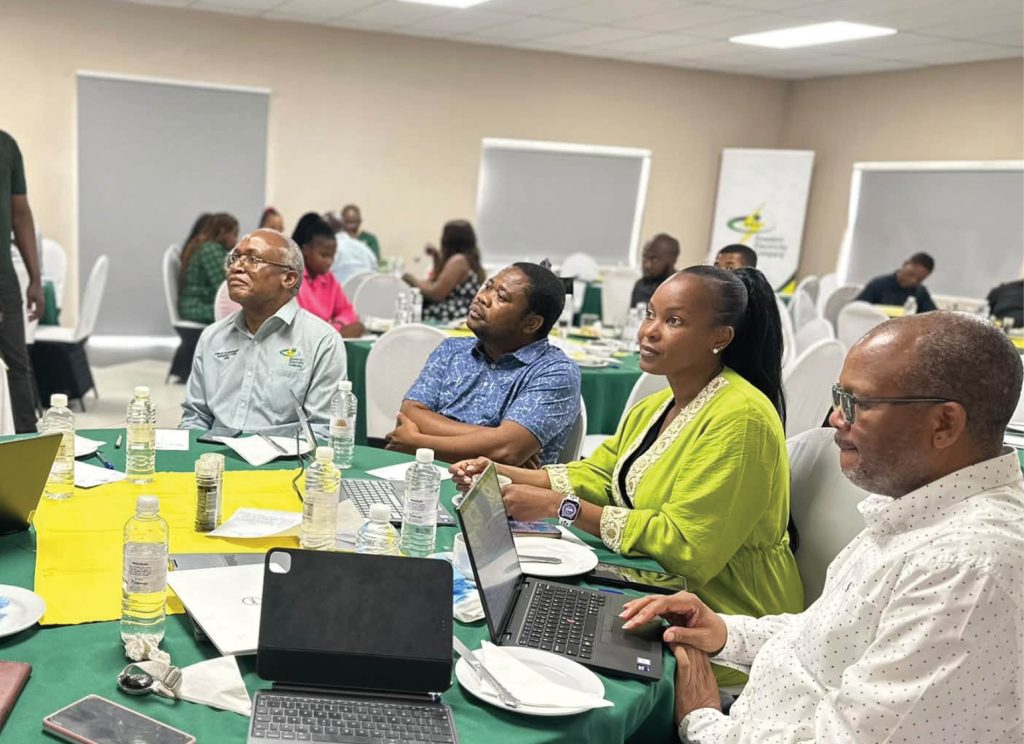
ESERA: Eswatini Electricity Tariff Hearings Begin Public Phase
Summary
- The Eswatini Electricity Company (EEC) and the Eswatini Energy Regulatory Authority (ESERA) recently began public discussions on electricity prices.
- These Eswatini electricity tariff hearings included a public invitation for input on the Eswatini Electricity Company price.
- A key session of these discussions took place on a Tuesday last week.
- The process is perceived by some as an 'exercise in futility' or 'make-believe', despite the formal public engagement.
Recent Tariff Hearings Commence
Despite the formal invitation for public participation in these Eswatini electricity tariff hearings, a prevailing sentiment among some observers suggests that the process has become an exercise in futility.
Last week, a significant regulatory process commenced in Eswatini, bringing together the Eswatini Electricity Company (EEC) and the Eswatini Energy Regulatory Authority (ESERA). These entities initiated public discussions centered on the future pricing of electricity within the kingdom, a critical component of the ongoing Eswatini electricity tariff hearings. The proceedings saw the Eswatini Electricity Company and the Eswatini Energy Regulatory Authority convene to address this vital issue, marking a formal step in the tariff review cycle.
Specifically, a key session took place on Tuesday, during which the public was formally invited to contribute to the dialogue regarding the Eswatini Electricity Company price. This invitation underscores the intention to involve consumers in decisions that directly impact their daily lives and operational costs. The engagement between the utility provider, the regulatory body, and the public is a standard, albeit often contentious, part of the energy sector's compliance and review mechanisms.
Regulatory Context and Mandate
The Eswatini Energy Regulatory Authority (ESERA) holds the mandate for ESERA energy regulation Eswatini, tasked with ensuring a fair and sustainable energy sector. Its role in these tariff hearings is to scrutinize the proposed price adjustments by the Eswatini Electricity Company, balancing the utility's operational needs with consumer affordability and economic development. These tariff reviews are essential for maintaining the financial viability of the electricity supply while also protecting the interests of the Eswatini electricity consumer voice.
The process typically involves detailed submissions from the EEC outlining their costs, investment plans, and revenue requirements, followed by public consultations where stakeholders can voice their concerns and provide feedback. ESERA then evaluates all inputs before making a final determination on the electricity tariffs. This structured approach is designed to ensure transparency and adherence to established regulatory frameworks governing the Eswatini energy sector compliance.
Public Engagement and Perceptions
Despite the formal invitation for public participation in these Eswatini electricity tariff hearings, a prevailing sentiment among some observers suggests that the process has become an exercise in futility. This perception highlights a potential disconnect between the regulatory bodies' efforts to engage the public and the actual impact or perceived influence of consumer input on the final decisions. The public's involvement is crucial for democratic accountability and ensuring that the Eswatini electricity consumer voice is heard, yet skepticism can undermine the very purpose of such consultations.
This long-standing view of the tariff review process as largely ineffectual or even an 'exercise in make-believe' could have broader implications for public trust in regulatory institutions and the energy sector as a whole. For the Eswatini Energy Regulatory Authority and the Eswatini Electricity Company, addressing this perception is vital to foster genuine engagement and ensure that future tariff adjustments are not only economically sound but also perceived as fair and transparent by the populace they serve.
Practical Implications
Lawyers advising businesses in Eswatini should monitor the outcome of these tariff hearings for potential impacts on operational costs, supply contracts, and regulatory compliance. This development signals ongoing regulatory scrutiny and potential changes in the energy sector's financial landscape.
Source
How does this affect you?
Get an AI analysis of this article grounded in your jurisdictions, practice areas, and any policy documents you've uploaded to Wansom.
Finish Reading the Full Story and the Expert Analysis.
Get the latest legal & regulatory intelligence in Eswatini
Wansom is AI and can make mistakes.