
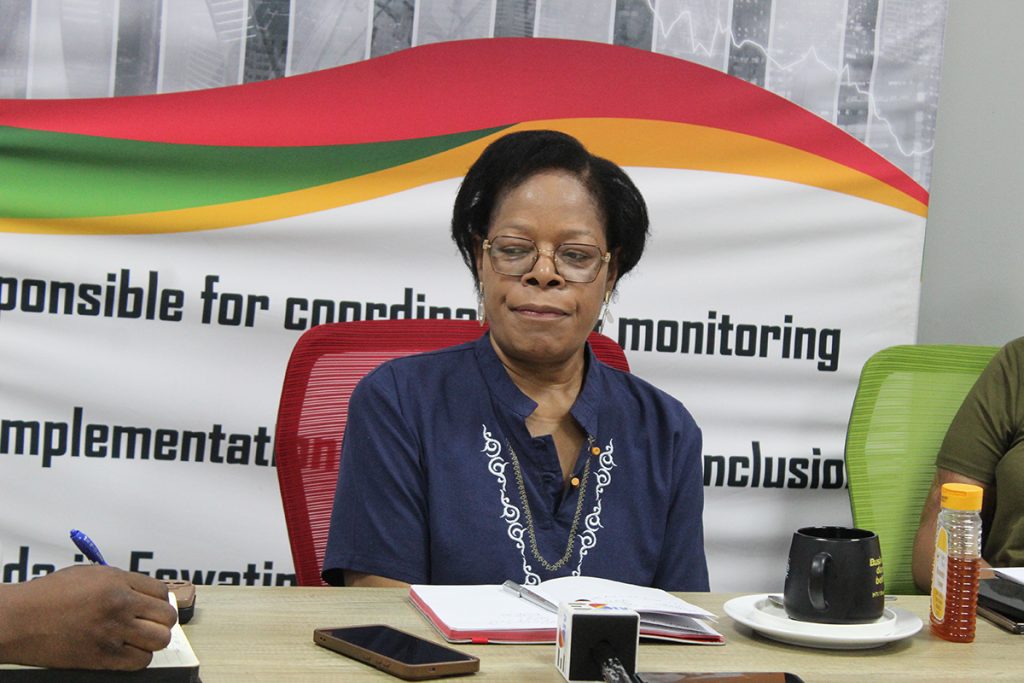
Eswatini CFI Sends Partners to Kenya for Financial Regulation Benchmarking
The Centre for Financial Inclusion (CFI) is sending 11 representatives from its partner organisations in Eswatini to Kenya for a benchmarking exercise aimed at strengthening financial inclusion regulations and improving access to finance in Eswatini.
This initiative signals a proactive effort by Eswatini's financial sector to enhance its regulatory framework for financial inclusion, potentially leading to new or amended laws and policies affecting financial service providers, fintech companies, and consumers. It highlights a commitment to aligning Eswatini's financial landscape with international best practices, which could foster greater stability, innovation, and consumer protection, particularly for marginalised populations. The focus on learning from Kenya's experiences suggests an intent to adopt proven strategies for expanding financial services responsibly and effectively.
Eswatini's financial sector is primarily regulated by the Central Bank of Eswatini (CBE) under legislation such as the Financial Institutions Act and other specific acts governing microfinance, insurance, and capital markets. The benchmarking exercise implies a potential for reviewing and updating these existing frameworks, possibly drawing inspiration from Kenya's more developed financial inclusion ecosystem, which includes robust mobile money regulations and consumer protection laws. This could involve legislative or regulatory reform to address gaps or enhance existing provisions related to digital financial services, consumer protection, and financial literacy.
The key parties involved are the Centre for Financial Inclusion (CFI) and its partner organisations in Eswatini, who are undertaking the benchmarking. Implicitly, the regulatory bodies in Eswatini responsible for financial services, such as the Central Bank of Eswatini and the Financial Services Regulatory Authority, will be the ultimate beneficiaries and implementers of any resulting policy recommendations. Kenya's financial regulators and institutions serve as the benchmark, providing practical examples and insights.
Attorneys advising financial institutions, fintech startups, and businesses operating in Eswatini's financial sector should closely monitor any upcoming legislative or regulatory proposals stemming from this benchmarking exercise. This could include changes to licensing requirements, consumer protection standards, data privacy regulations, or operational guidelines for financial products and services, particularly those targeting marginalised populations. Businesses should prepare for potential shifts in compliance obligations and explore opportunities arising from an expanded and more robust financial inclusion landscape, ensuring their operations align with anticipated new standards.
How does this affect you?
Get an AI analysis of this article grounded in your jurisdictions, practice areas, and any policy documents you've uploaded to Wansom.
Finish Reading the Full Story and the Expert Analysis.
Get the latest legal & regulatory intelligence in Eswatini
Wansom is AI and can make mistakes.