
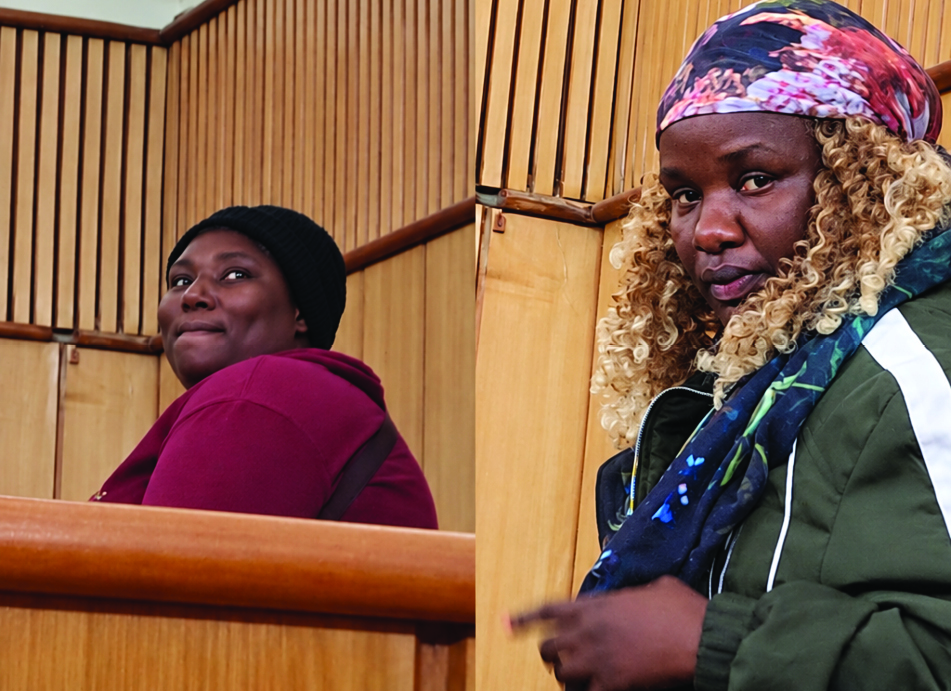
Pigg's Peak Magistrate: Eswatini Women Withdraw Assault Charges
Summary
- Two women in Eswatini recently withdrew criminal assault complaints against men known to them.
- These cases were heard before Pigg's Peak Magistrate Innocent Mahlalela.
- One complainant, Nomfundo Vilakati, 38, attributed her alleged beating by her boyfriend to alcohol.
- The withdrawals highlight ongoing challenges in prosecuting domestic violence cases in Eswatini.
- This trend of victims dropping charges impacts legal strategies and victim support efforts.
What Happened
The withdrawal of assault charges, particularly in cases involving domestic partners or known individuals, presents a significant hurdle for the effective prosecution of domestic violence in Eswatini.
Two women in Eswatini recently opted to retract criminal assault complaints against men with whom they had personal relationships. These separate cases were presented before Magistrate Innocent Mahlalela in Pigg's Peak. The women had initially sought legal recourse through the courts following alleged assaults.
One of the complainants, identified as 38-year-old Nomfundo Vilakati, was among those who withdrew her charges. In a notable statement regarding her alleged beating by her boyfriend, she attributed the incident to an error stemming from alcohol consumption. This explanation highlights a common narrative that can emerge in such situations, complicating the pursuit of justice.
The decision by these individuals to drop their respective assault charges in Pigg's Peak underscores a recurring challenge within the Eswatini legal system concerning cases of alleged interpersonal violence. The judicial process, as overseen by officials like Magistrate Mahlalela, must navigate these withdrawals, which often occur after initial legal action has been initiated.
Broader Context of Domestic Violence in Eswatini
The withdrawal of assault charges, particularly in cases involving domestic partners or known individuals, presents a significant hurdle for the effective prosecution of domestic violence in Eswatini. This pattern of Eswatini criminal assault case withdrawal is not uncommon, reflecting complex social and personal pressures that victims may face. Such recantations can undermine efforts to hold alleged abusers accountable and ensure victim safety.
The legal framework in Eswatini, while designed to protect individuals from assault, often encounters difficulties when complainants, like those appearing before Pigg's Peak Magistrate Innocent Mahlalela, decide to retract their statements. This phenomenon, sometimes referred to as Eswatini domestic violence recantation, can be influenced by various factors, including reconciliation attempts, fear of retaliation, economic dependency, or a desire to avoid further public scrutiny.
Lawyers involved in criminal matters in Eswatini, especially those pertaining to domestic violence, must contend with the high likelihood of victims dropping assault charges Eswatini. Understanding the underlying reasons for such withdrawals is crucial for developing effective case strategies and providing appropriate support to complainants, even when they choose not to proceed with prosecution. The initial decision to seek justice, followed by a subsequent withdrawal, illustrates the volatile nature of these cases.
Implications for Justice and Legal Practice
The recent instances of women withdrawing assault charges against alleged abusers in Pigg's Peak serve as a stark reminder of the systemic challenges in addressing domestic violence effectively. When victims recant, it not only impacts the immediate case but also sends broader signals about the efficacy and accessibility of justice for survivors of violence. The judicial system, including figures like Magistrate Innocent Mahlalela, is left to process these decisions, which often occur outside the traditional legal rationale for case dismissal.
These withdrawals highlight the critical need for comprehensive support systems for victims of domestic violence in Eswatini, extending beyond the initial reporting phase. Without sustained support, victims may feel compelled to withdraw charges, as seen in the case of Nomfundo Vilakati and the other unnamed complainant. This situation complicates the role of law enforcement and prosecutors who are committed to combating violence but are constrained by the complainant's decision.
For legal professionals, particularly those specializing in criminal law, the prevalence of Eswatini assault charges withdrawal Pigg's Peak necessitates a nuanced approach. It requires an understanding that a victim's journey through the justice system is often fraught with personal and societal complexities. The challenge lies in balancing the victim's autonomy with the state's interest in prosecuting violent crimes, especially when a complainant describes an alleged beating as a "mistake caused by alcohol," as one woman did. This ongoing trend demands careful consideration in legal strategy and victim advocacy.
Practical Implications
This development underscores the challenges in prosecuting domestic violence cases in Eswatini, particularly the common occurrence of victims withdrawing charges. Lawyers handling criminal matters, especially those involving domestic violence, should be aware of this trend and its implications for case strategy and victim support.
Source
How does this affect you?
Get an AI analysis of this article grounded in your jurisdictions, practice areas, and any policy documents you've uploaded to Wansom.
Finish Reading the Full Story and the Expert Analysis.
Get the latest legal & regulatory intelligence in Eswatini
Wansom is AI and can make mistakes.