
Emergency Lawyers Accuse RSF Civilian Truck North Kordofan: Two Injured
Summary
- On September 4, 2026, the Emergency Lawyers Group accused the Rapid Support Forces (RSF) of firing on a civilian truck in North Kordofan, injuring two people.
- The RSF allegedly confiscated the truck and its peanut cargo, denied medical aid to the injured, and returned the driver to an outpost.
- This incident occurred amidst RSF's ongoing restrictions on goods transport to army-controlled areas, a policy in effect since October 8, 2024.
- These restrictions have isolated the region, creating a de facto siege that threatens food security and civilian livelihoods.
- The Emergency Lawyers Group condemned these actions as violations of international humanitarian law, including targeting civilians, denying aid, and confiscating property.
Allegations of Civilian Targeting in North Kordofan
The Emergency Lawyers Group unequivocally condemned several actions attributed to the Rapid Support Forces, emphasizing their grave implications under international law.
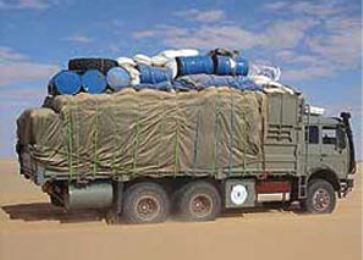
On Friday, September 4, 2026, the Emergency Lawyers Group issued a strong accusation against the Rapid Support Forces (RSF), alleging that the paramilitary group opened fire on a civilian truck in Sudan's North Kordofan state. This incident, which resulted in injuries to two civilians—one critically—is reported to have occurred amidst the RSF's ongoing policy of restricting the movement of goods into areas controlled by the Sudanese Army. The Emergency Lawyers accuse RSF civilian truck North Kordofan of being deliberately targeted, highlighting a concerning pattern of conduct.
According to a statement released by the human rights organization, an RSF unit pursued and subsequently attacked a "Tundra" truck. The vehicle, laden with peanuts, was traveling through the Al-Ashir area, located north of Wadi Al-Malik in North Kordofan, en route to the Northern State when the assault took place. This direct engagement with a civilian transport vehicle underscores the severe risks faced by non-combatants attempting to navigate the conflict zones in Sudan.
Following the attack, the Rapid Support Forces not only confiscated the truck and its valuable cargo of peanuts but also reportedly returned the driver to one of their outposts. Furthermore, the Emergency Lawyers Group stated that the injured individuals were denied essential medical assistance, a critical violation of humanitarian principles. This alleged denial of aid, coupled with the confiscation of civilian property, points to potential grave breaches of international humanitarian law by the RSF.
Escalating Blockades and Humanitarian Crisis
The incident in North Kordofan is not isolated but rather unfolds within a broader context of severe restrictions on civilian movement and commerce imposed by both warring factions in Sudan. Both the Sudanese Army and the Rapid Support Forces have reportedly implemented bans on the transport of agricultural crops and livestock from territories under their control to those held by the opposing side. This policy significantly disrupts essential supply chains and exacerbates the humanitarian crisis across the nation.
The Emergency Lawyers Group specifically highlighted that the Rapid Support Forces have been enforcing stringent restrictions on the transfer of goods from their controlled territories to areas under the army's command since October 8, 2024. This systematic North Kordofan goods blockade RSF has effectively cut off the affected region from vital trade routes, creating a de facto siege. The consequences for the civilian population are dire, leading to intensified suffering and posing a direct threat to food security and the availability of essential livelihoods.
Such widespread restrictions on civilian goods, particularly food and agricultural products, raise serious concerns regarding potential Sudan conflict humanitarian law violations. The deliberate obstruction of aid and commerce, especially when it leads to a humanitarian catastrophe, is a critical issue that demands international attention and accountability. The impact on civilians, who are already bearing the brunt of the conflict, is profound and long-lasting.
Legal Condemnations and International Law
In their comprehensive statement, the Emergency Lawyers Group unequivocally condemned several actions attributed to the Rapid Support Forces, emphasizing their grave implications under international law. The group specifically denounced the targeting of civilians and civilian vehicles, which are protected under the principles of distinction in armed conflict. They also condemned the denial of medical assistance to the injured, a fundamental breach of humanitarian obligations that require all parties to a conflict to provide care to wounded combatants and civilians alike.
Furthermore, the Emergency Lawyers Group strongly criticized the confiscation of civilian property, such as the truck and its cargo of peanuts, which is prohibited unless absolutely necessitated by military operations and with proper compensation. The systematic policy of restricting the movement of goods, particularly essential commodities, was also highlighted as a serious concern. These actions, as documented in the Emergency Lawyers Group Sudan statement, collectively point to a pattern of potential Sudan conflict humanitarian law violations by the Rapid Support Forces.
The repeated allegations of Rapid Support Forces civilian targeting Sudan, coupled with the obstruction of humanitarian access and the seizure of private assets, underscore the urgent need for adherence to international humanitarian law. Such conduct not only inflicts immense suffering on the civilian population but also undermines any prospects for a peaceful resolution and accountability for those responsible for these alleged crimes.
Practical Implications
This report documents potential violations of international humanitarian law by the RSF, including targeting civilians, confiscating property, and restricting essential goods movement. Lawyers and compliance officers should be aware of these documented incidents for assessing conflict-related legal risks, potential accountability efforts, and advising clients on the severe operational and humanitarian impacts of such actions in Sudan, particularly concerning supply chain disruptions and human rights due diligence.
Source
How does this affect you?
Get an AI analysis of this article grounded in your jurisdictions, practice areas, and any policy documents you've uploaded to Wansom.
Finish Reading the Full Story and the Expert Analysis.
Wansom is AI and can make mistakes.