
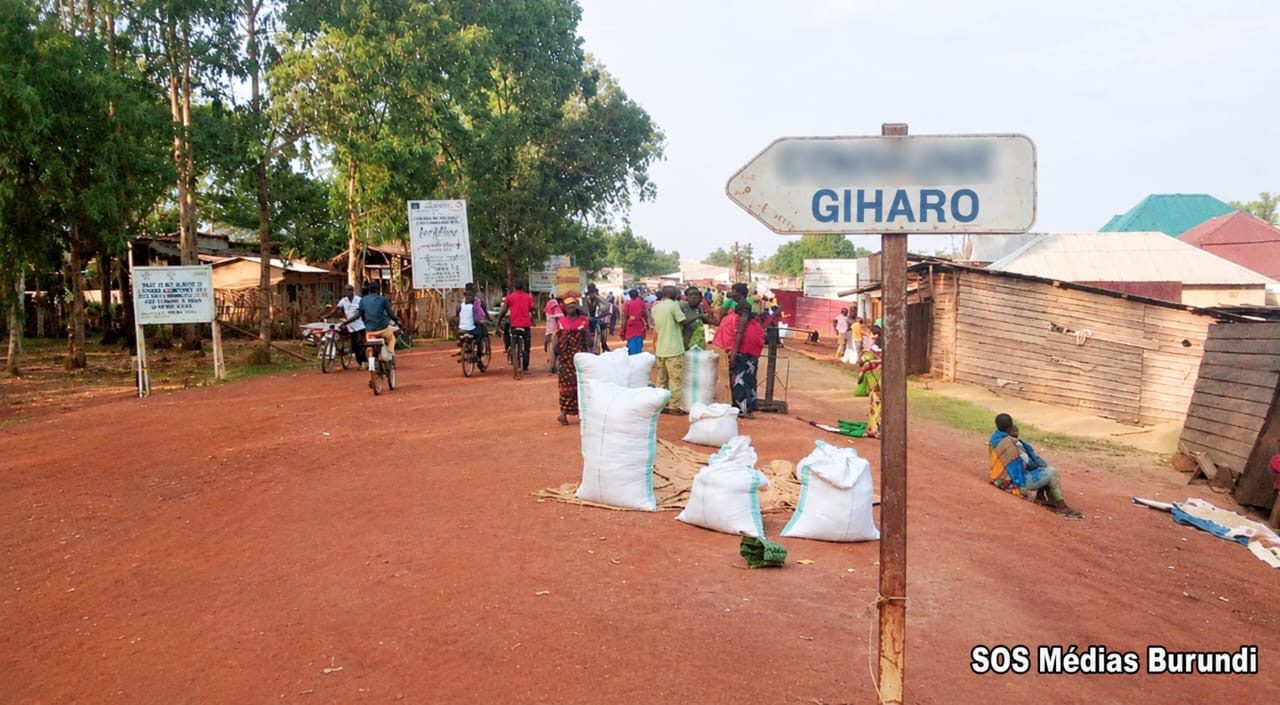
Elias Kagoma UPRONA Arrest: Giharo Officials Detain Over House Claim
Summary
- Elias Kagoma, a UPRONA party representative in Burundi's Giharo zone, was arrested on November 10, 2026.
- He was detained by local CNDD-FDD officials and administrative leaders over a dispute regarding a house built for a widow.
- Kagoma is accused of trying to claim the house construction as a UPRONA initiative, while the CNDD-FDD asserts responsibility.
- Kagoma denies involvement in the construction, stating he only provided shelter to the widow and her children due to their plight.
- The incident highlights concerns about political intolerance and the blurring of administrative and partisan roles in Burundi.
Arrest of an Opposition Figure in Giharo
The direct involvement of multiple administrative officials alongside local members of the ruling CNDD-FDD party in the arrest of an opposition representative raises significant questions about the distinction between official administrative duties and partisan allegiances.
Elias Kagoma, a representative for the UPRONA party in Burundi's Giharo zone, located within the Musongati district of Burunga province in the southeastern part of the country, was taken into custody on Tuesday, November 10, 2026. His arrest was carried out by several local officials affiliated with the ruling CNDD-FDD party. Among those reportedly involved in the detention were Alexis Baraguma, known as Ruganzizindi, who serves as the CNDD-FDD official for the Giharo zone, along with Désiré Hakizimana, the zone chief, Simon Nivyayo, the CNDD-FDD official for Giharo village, and Claver Mugisha, the village chief.
The basis for Kagoma's arrest centers on allegations that he attempted to claim credit for his UPRONA party in the construction of a house for a local widow. This initiative, intended as an act of community solidarity, became the focal point of a political dispute. The controversy specifically involves a dwelling built for Thérèse Ntirampeba, a widow residing in Nkurye, within the Giharo zone. While the CNDD-FDD asserts responsibility for the project, Kagoma is accused of trying to present it as an undertaking by UPRONA, leading to his detention.
Kagoma, however, disputes the accusations, stating that he was not involved in either the financing or the physical construction of the house. He clarified that his interaction with the widow and her children began when he encountered them spending nights in makeshift shelters at the Giharo market. Moved by their difficult circumstances, he reportedly offered them shelter in his own home on August 3, 2026. He maintains that his actions were purely an act of solidarity and rejects the criticisms leveled against him regarding this assistance.
Blurring Lines Between Administration and Party
The detention of Elias Kagoma underscores persistent concerns regarding political intolerance and the pressure exerted on officials from opposition parties in Burundi. The direct involvement of multiple administrative officials alongside local members of the ruling CNDD-FDD party in the arrest of an opposition representative raises significant questions about the distinction between official administrative duties and partisan allegiances. This incident highlights a troubling trend where state functions appear to be conflated with the interests of the dominant political group, particularly within the Musongati district political pressure context.
This situation is not isolated, as reports frequently detail accusations of political intolerance and systematic pressure against opposition members across various regions of Burundi. Local officials associated with the ruling party are often implicated in acts of intimidation, obstruction of activities organized by rival parties, and direct attacks against their representatives. The CNDD-FDD UPRONA conflict Burundi manifests in such local-level confrontations, where even acts of humanitarian aid can become politicized.
Implications for Political Pluralism
The Elias Kagoma detention Burundi case serves as a stark illustration of how even gestures of solidarity can be transformed into pretexts for political confrontation, potentially justifying coercive measures against members of rival parties. This incident, occurring in the Giharo zone, further exacerbates worries about the state of political intolerance in Burundi, where the space for opposition activity is increasingly constrained. It calls into question the fundamental principles of political pluralism and the ability of non-ruling parties to operate freely and effectively within the country.
The broader implications of such actions are significant, as they undermine the democratic process and the freedom of action for opposition parties throughout Burundi. When administrative and judicial authorities fail to provide clear legal grounds for arrests like Kagoma's, it fosters an environment of uncertainty and fear among political opponents. This incident, therefore, necessitates a thorough investigation by relevant authorities to clarify the circumstances of the arrest and establish any legitimate legal basis for his continued detention, ensuring that due process is upheld.
Practical Implications
This incident highlights the ongoing risks of political intolerance and arbitrary detention in Burundi, particularly for opposition figures. Lawyers advising individuals or organizations in Burundi should be vigilant regarding due process violations and the potential for politically motivated actions blurring administrative and partisan lines.
Source
How does this affect you?
Get an AI analysis of this article grounded in your jurisdictions, practice areas, and any policy documents you've uploaded to Wansom.
Finish Reading the Full Story and the Expert Analysis.
Get the latest legal & regulatory intelligence in Burundi
Wansom is AI and can make mistakes.