
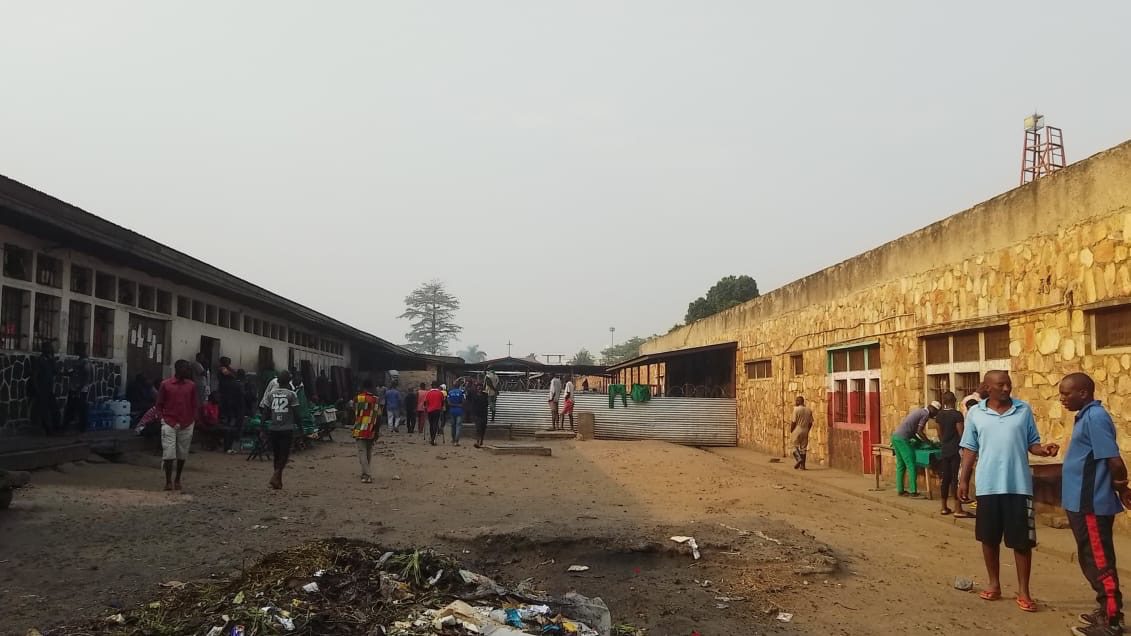
ACAT-Burundi: Report Details Dire Burundi Prison Conditions
Summary
- ACAT-Burundi's November 2026 report details critical overcrowding, food shortages, and inmate deaths in Burundian prisons from July to September 2026.
- Burundi's prisons held 12,521 inmates against a capacity of 4,294, resulting in a nearly 292% occupancy rate.
- Mpimba Central Prison, Muramvya, Ngozi, Gitega, and Rumonge facilities are severely overcrowded, leading to rapid depletion of food reserves.
- Fifteen inmates died in Muramvya Central Prison from an unconfirmed illness, with symptoms suggesting typhoid fever, exacerbated by poor conditions.
- The report also notes cases of prolonged detention despite court orders for release and deaths due to denied access to external medical care, such as Apollinaire Ahishakiye at Mpimba.
Alarming Findings from ACAT-Burundi
The pervasive overcrowding, inadequate nutrition, and insufficient medical care create an environment where fundamental protections are routinely violated.
A recent report by the Action of Christians for the Abolition of Torture (ACAT-Burundi), released on November 4, 2026, paints a grim picture of Burundi prison conditions. Covering the period from July to September 2026, the ACAT-Burundi 2026 prison report highlights severe overcrowding, critical food shortages, numerous inmate deaths linked to health issues, and instances of prolonged detention despite judicial orders for release. These findings underscore a deepening humanitarian crisis within the nation's correctional facilities.
According to statistics cited from the Burundian League for Human Rights, Iteka League, the country's prisons housed 12,521 inmates by the end of September 2026. This figure dramatically exceeds the total official capacity of 4,294, resulting in an occupancy rate of nearly 292 percent—almost triple the intended capacity. This extreme congestion is a central factor exacerbating other dire conditions reported by ACAT-Burundi.
Crisis of Overcrowding and Scarcity
The issue of overcrowding is particularly acute across several key facilities. Mpimba Central Prison in Bujumbura, for example, held 4,226 inmates against a design capacity of just 800. Similarly, the prison in Muramvya housed 771 individuals in a facility built for 100, while Ngozi's men's prison contained 1,889 inmates, far surpassing its 400-person limit. Gitega's prison, the political capital, also struggled with 1,450 inmates in a space designed for 400. In Rumonge, Murembwe Central Prison reported 1,489 inmates in September, despite an official capacity of 800, according to Iteka League data.
Health Catastrophe and Negligence
The ACAT-Burundi report also documents a tragic toll on inmate health, including fifteen deaths at Muramvya Central Prison. These fatalities were attributed to an illness whose origin remains medically unconfirmed, though observed symptoms like high fever, diarrhea, and general weakness led to suspicions of typhoid fever. Three inmates died in August, followed by twelve more in September. By September 17, 45 inmates were hospitalized, and approximately 60 others remained ill within their cells. ACAT-Burundi attributes this dire situation to the combined effects of overcrowding, food shortages, and a critical lack of medication.
This health crisis follows a previous epidemic at Muramvya in early September, when SOS Médias Burundi reported three deaths and numerous illnesses, which prison authorities, after intervention from the Ministry of Health, attributed to malaria. Beyond Muramvya, the report highlights two deaths directly linked to difficulties in accessing healthcare. One such case is Apollinaire Ahishakiye, a diabetic inmate at Mpimba Central Prison, who died on August 8, 2026, after repeated requests for transfer to an external hospital were denied, according to testimonies gathered by the organization's observers. These incidents underscore severe Burundi inmate human rights violations concerning medical care.
Legal and Human Rights Implications
The findings from the ACAT-Burundi 2026 prison report reveal a systemic failure to uphold basic human rights within Burundi's correctional system. The pervasive overcrowding, inadequate nutrition, and insufficient medical care create an environment where fundamental protections are routinely violated. The report's mention of prolonged detention despite court-ordered release further highlights a critical breakdown in the rule of law, where judicial directives are not being honored, trapping individuals in these life-threatening conditions.
These severe conditions, including Mpimba Central Prison overcrowding and Muramvya prison inmate deaths, raise serious concerns about the state's adherence to national and international human rights standards. The documented cases of individuals like Apollinaire Ahishakiye, denied essential medical transfers, exemplify the urgent need for intervention and reform. The continued detention of individuals beyond their legal terms, despite a Burundi prolonged detention court order, represents a significant challenge to justice and accountability within the country.
Practical Implications
Lawyers representing clients in Burundi, particularly those incarcerated or facing charges, must be aware of the severe and deteriorating prison conditions, including critical overcrowding, food shortages, and inadequate medical care, as documented by ACAT-Burundi. These conditions could form the basis for human rights litigation, appeals against detention, or applications for early release, and necessitate close monitoring of client welfare and legal strategy adjustments, especially concerning cases of prolonged detention despite court-ordered release.
Source
How does this affect you?
Get an AI analysis of this article grounded in your jurisdictions, practice areas, and any policy documents you've uploaded to Wansom.
Wansom is AI and can make mistakes.