
Egypt Cabinet: Salloum Logistics Zone Approval, Sadat Dry Port
Summary
- Egypt's cabinet approved a 30-year license for an industrial company to build and operate a 652-acre logistics zone near the Salloum land port.
- The cabinet also authorized the establishment of a new company to manage and operate the Sadat dry port in Sadat City.
- The Sadat dry port is projected to span 85 feddans and handle an annual capacity of 170,000 TEUs.
- These projects aim to enhance Egypt's status as a global logistics hub, facilitate trade, and reduce port congestion.
- Prime Minister Mostafa Madbouly chaired the meeting where these significant infrastructure developments were approved.
Key Approvals for Logistics Infrastructure
These strategic approvals underscore Egypt's unwavering commitment to modernizing its national infrastructure and significantly bolstering its trade capabilities.
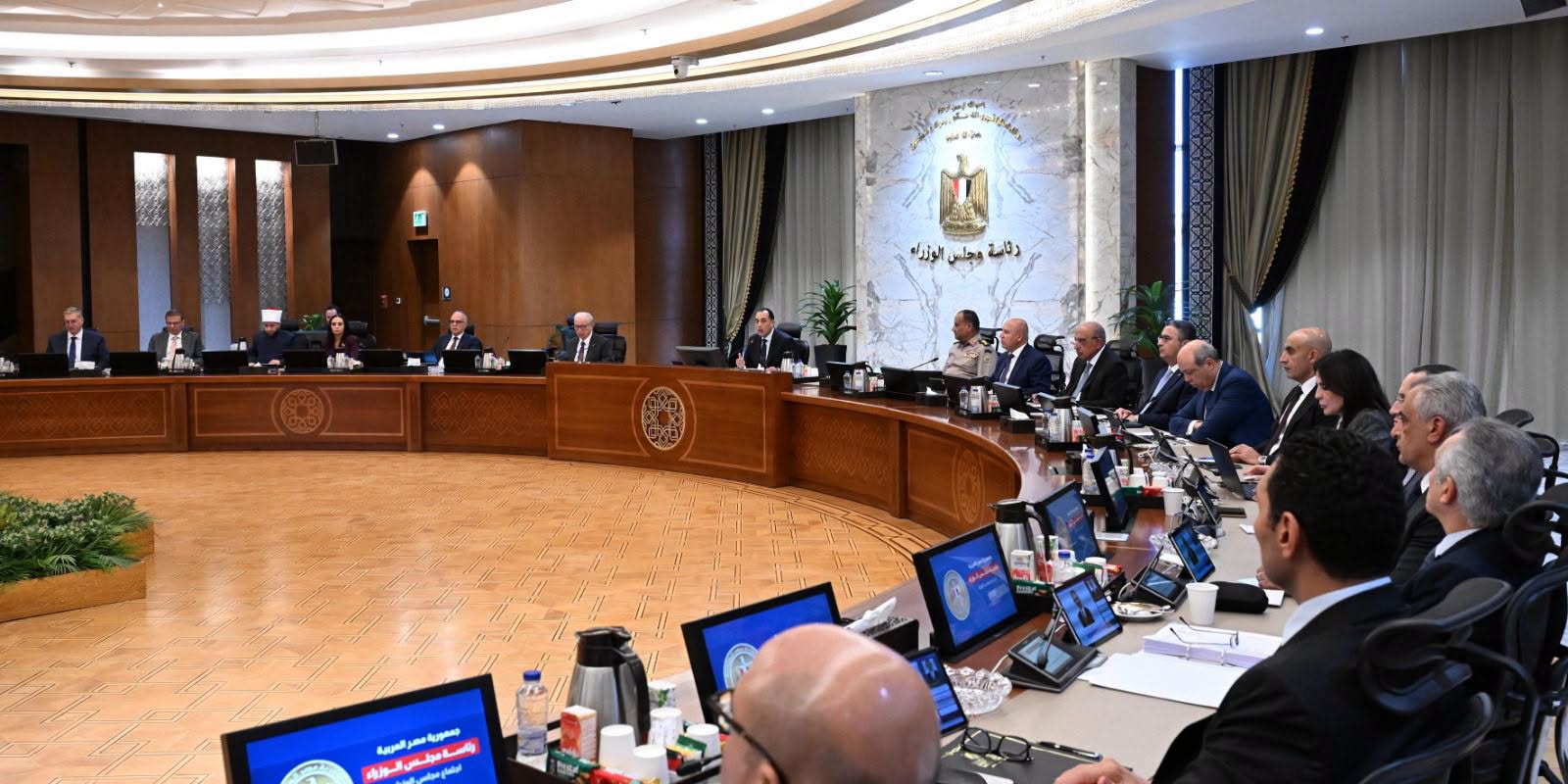
The Egyptian cabinet, during a recent meeting held in the New Administrative Capital and presided over by Prime Minister Mostafa Madbouly, has granted crucial approvals for two significant logistics infrastructure projects. One key decision involved sanctioning a 30-year licensing agreement for an industrial development company. This agreement empowers the company to construct and operate an extensive 652-acre integrated logistics zone, strategically located adjacent to the existing Salloum land port. This development was officially announced by the government on Wednesday.
Concurrently, the cabinet also authorized the Holding Company for Maritime and Land Transport to proceed with establishing a new entity. This newly formed company will be tasked with the comprehensive management and operation of the Sadat dry port. Situated in Sadat City, the planned Sadat dry port is currently undergoing feasibility studies and is expected to begin construction before the end of 2026. It is designed to span 85 feddans and handle an impressive annual capacity of 170,000 TEUs (twenty-foot equivalent units), significantly enhancing the nation's cargo handling capabilities.
Strategic Vision for Logistics Development
These governmental decisions are part of a broader national strategy aimed at solidifying Egypt's position as a preeminent global logistics hub. The primary objectives behind these approvals include streamlining trade movement across the country, effectively reducing congestion at traditional seaports, and markedly improving the overall efficiency of goods flow throughout the supply chain. The development of such integrated zones and dry ports is seen as instrumental in achieving these ambitious goals.
The Sadat dry port, in particular, represents a critical component of a larger, interconnected network of dry ports and logistics centers that the government is actively developing. This comprehensive strategy is designed to modernize and optimize customs procedures, thereby significantly reducing cargo clearance times. Ultimately, these efforts are intended to provide robust support for the sustained growth and expansion of various industrial sectors within the Egyptian economy, fostering a more agile and responsive trade environment.
Economic and Developmental Impact
The anticipated economic benefits stemming from these infrastructure projects are substantial. The Salloum logistics zone, by virtue of its strategic location, is specifically projected to stimulate significant economic activity and generate numerous job opportunities within Egypt's western region. Such regional development is a key focus of the government's long-term economic plans.
Furthermore, the cabinet has consistently emphasized the profound importance of these logistics initiatives as catalysts for attracting increased foreign investment into the country. By enhancing the efficiency and capacity of its trade infrastructure, Egypt aims to create a more attractive and competitive business environment. These strategic approvals underscore Egypt's unwavering commitment to modernizing its national infrastructure and significantly bolstering its trade capabilities.
Practical Implications
Lawyers advising clients in logistics, trade, real estate, or investment in Egypt should monitor the regulatory framework and operational timelines for the Salloum logistics zone and the new Sadat dry port company, as these developments will create new opportunities and compliance considerations for businesses operating in or entering these sectors.
Source
How does this affect you?
Get an AI analysis of this article grounded in your jurisdictions, practice areas, and any policy documents you've uploaded to Wansom.
Finish Reading the Full Story and the Expert Analysis.
Get the latest legal & regulatory intelligence in Egypt
Wansom is AI and can make mistakes.