
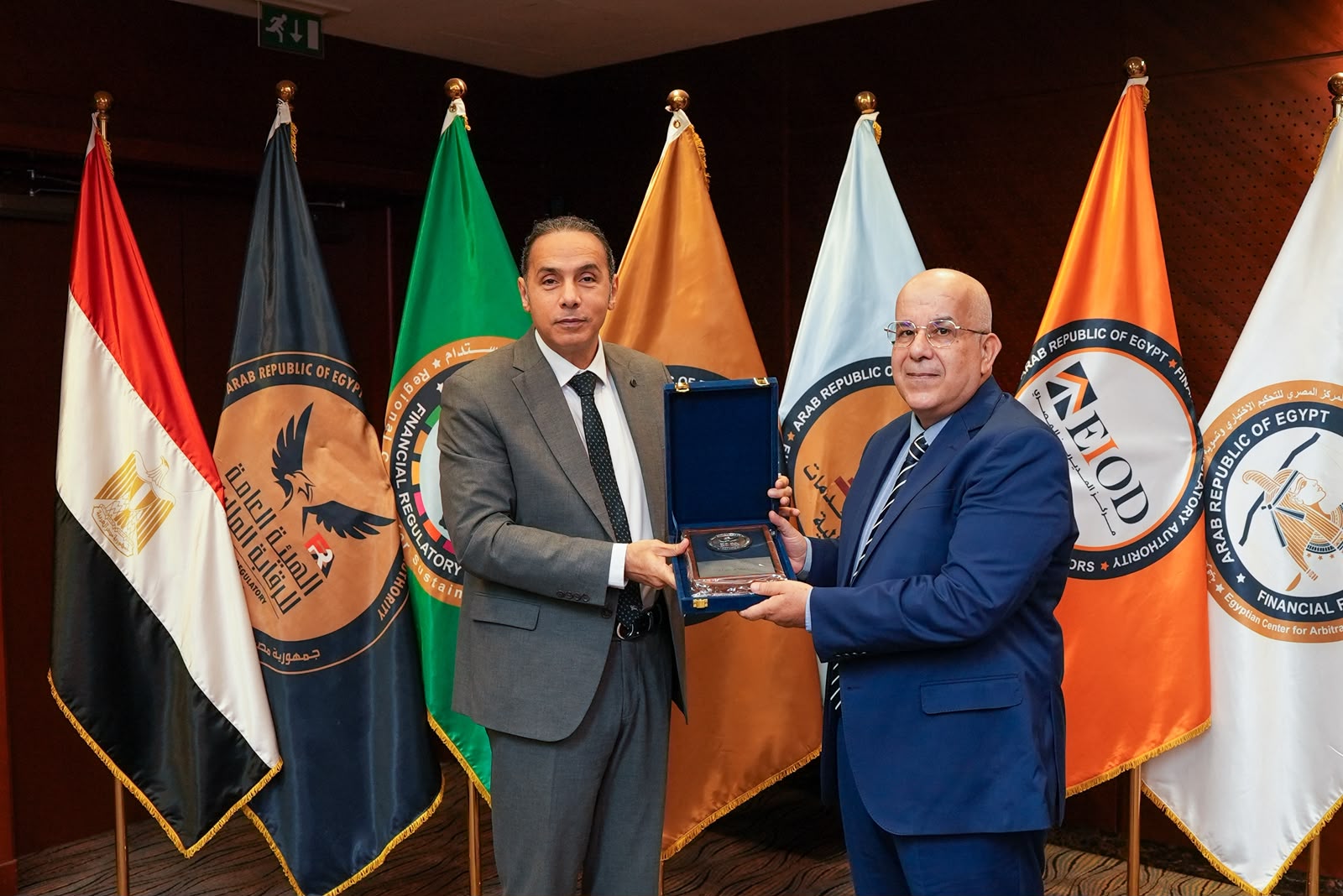
Egypt FRA: Boosts Tunisia Regulatory Cooperation in Non-Bank Finance
Summary
- Egypt's Financial Regulatory Authority (FRA) Chairperson, Islam Azzam, met with Mahmoud El-Montasser Mansour, Executive Director-General of Tunisia's Microfinance Supervisory Authority.
- The meeting aimed to strengthen bilateral cooperation and facilitate the exchange of regulatory and supervisory expertise in non-bank finance.
- Rehab Taha, FRA Assistant Chairperson, was also present during the discussions.
- The initiative seeks to support the development and improve the efficiency of financial markets in both Egypt and Tunisia.
- This engagement underscores a commitment to enhanced non-bank finance regulation between the two countries.
What Happened
Enhanced Egypt FRA Tunisia regulatory cooperation in non-bank finance is critical for fostering investor confidence and ensuring consumer protection within these sectors.
A significant meeting recently took place in Egypt, bringing together key financial regulatory figures from both Egypt and Tunisia. Islam Azzam, who serves as the Chairperson of the Financial Regulatory Authority (FRA) in Egypt, hosted Mahmoud El-Montasser Mansour, the Executive Director-General and founder of Tunisia’s Microfinance Supervisory Authority. The discussions were also attended by Rehab Taha, the Assistant Chairperson of the FRA, underscoring the importance of the engagement.
The primary objective of this high-level gathering was to foster stronger bilateral cooperation between the two North African nations. A central theme of the dialogue revolved around the exchange of regulatory and supervisory expertise specifically within the non-bank finance sector. This initiative aims to bolster efforts directed at developing financial markets and enhancing their overall efficiency across both countries.
Regulatory Context
The Financial Regulatory Authority (FRA) in Egypt plays a crucial role in overseeing and regulating non-banking financial markets and instruments, ensuring stability and growth within this vital segment of the economy. Similarly, Tunisia's Microfinance Supervisory Authority, founded by Mahmoud El-Montasser Mansour, is instrumental in governing the microfinance sector, which is a key component of non-bank finance and essential for financial inclusion and small business development.
This engagement highlights a concerted effort towards greater non-bank finance regulation between Egypt and Tunisia. The exchange of knowledge and best practices in supervision is particularly relevant given the evolving landscape of financial services, where non-traditional financial institutions are increasingly important. Such bilateral financial regulatory cooperation is vital for harmonizing approaches and addressing common challenges in a rapidly changing global financial environment.
Why It Matters
The discussions between Islam Azzam and Mahmoud El-Montasser Mansour signal a strategic move towards deepening regulatory ties and sharing insights on non-bank finance regulation between Egypt and Tunisia. This collaboration is expected to contribute significantly to the development of more robust and efficient financial markets in both nations. By exchanging supervisory expertise, both regulatory bodies can learn from each other's experiences, potentially leading to the adoption of more effective regulatory frameworks and practices.
Enhanced Egypt FRA Tunisia regulatory cooperation in non-bank finance is critical for fostering investor confidence and ensuring consumer protection within these sectors. A more coordinated and informed regulatory approach can help mitigate risks, promote innovation responsibly, and ultimately support economic growth. The focus on market development and efficiency suggests a long-term vision for creating more dynamic and accessible financial ecosystems in both Egypt and Tunisia, benefiting businesses and individuals alike.
Practical Implications
Lawyers and compliance officers advising on non-bank finance or cross-border projects between Egypt and Tunisia should monitor for potential regulatory harmonization or increased oversight stemming from this enhanced cooperation, which could impact compliance requirements and market access.
Source
How does this affect you?
Get an AI analysis of this article grounded in your jurisdictions, practice areas, and any policy documents you've uploaded to Wansom.
Finish Reading the Full Story and the Expert Analysis.
Get the latest legal & regulatory intelligence in Egypt
Wansom is AI and can make mistakes.