
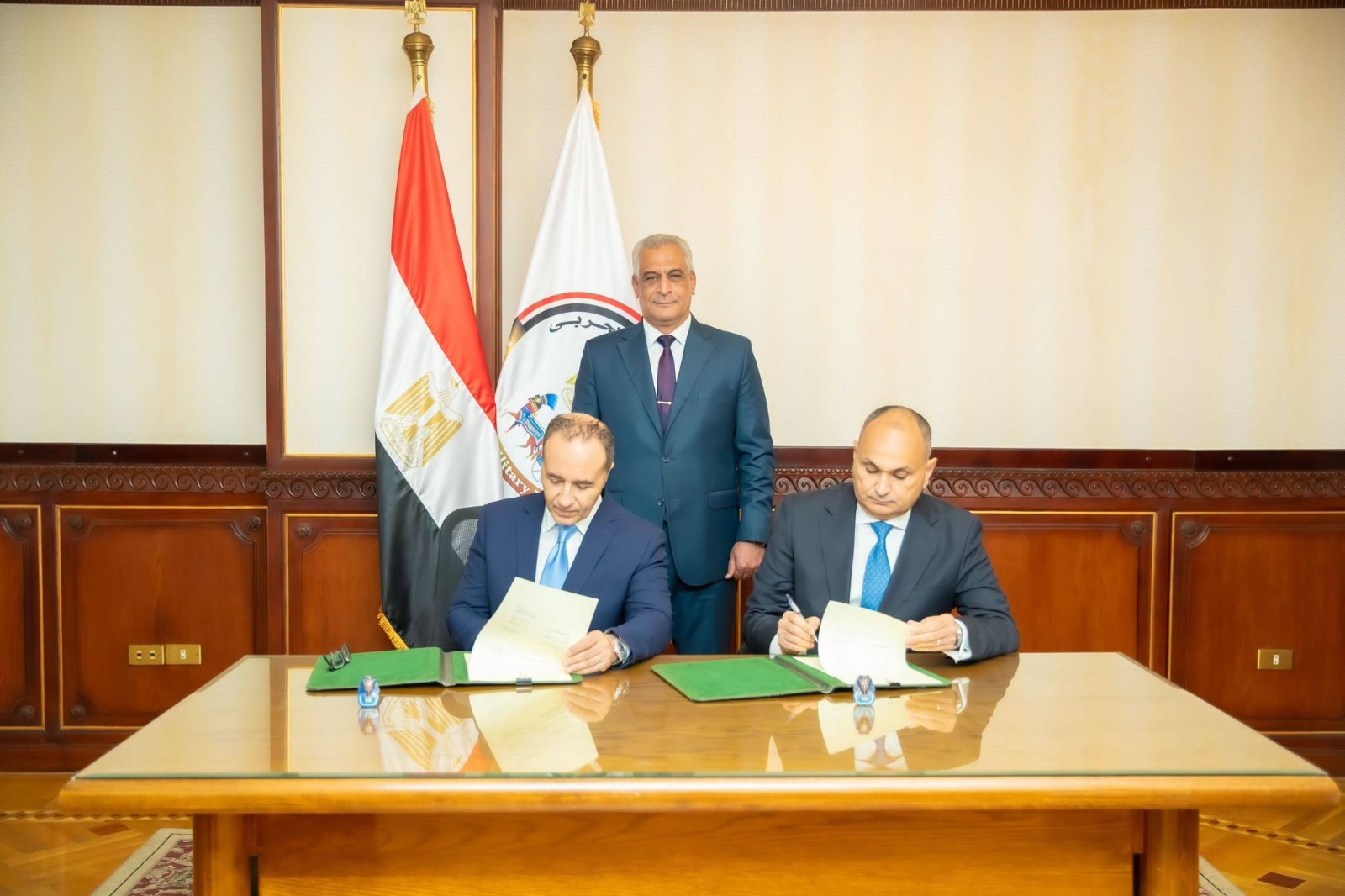
Egypt's Military Production Subsidiary Signs Intel MoU for AI Localization
Toya Technology, a subsidiary of Egypt's Ministry of Military Production, recently signed a Memorandum of Understanding (MoU) with Intel, a global technology giant, in Egypt, with the stated aim of localising Artificial Intelligence (AI) technologies within the country. This significant development was witnessed by Minister of State for Military Production Salah Gamblat, alongside Intel's General Managers for Europe, the Middle East and Africa, Gisselle Ruiz Lanza, and for the Middle East and Africa, Taha Khalifa, underscoring the high-level strategic importance attached to this collaboration by both parties.
This MoU carries substantial legal significance for practitioners, businesses, and the public in Egypt. For legal professionals, it signals a growing trend of strategic partnerships between state-affiliated entities and international technology firms, particularly in emerging fields like AI. Such collaborations invariably raise complex issues concerning intellectual property rights (IPR) transfer and protection, data governance, cybersecurity, and compliance with local content requirements. The localisation of AI technologies implies potential future contracts for software development, hardware manufacturing, and service provision, which will necessitate careful drafting of agreements to allocate risks, define scope, and ensure adherence to Egyptian regulatory standards. Furthermore, it highlights the government's commitment to fostering a domestic AI ecosystem, which could lead to new legislative or regulatory frameworks to support innovation while addressing ethical and societal implications of AI deployment.
From a legal context perspective, this MoU operates within Egypt's evolving regulatory landscape for technology and investment. Key statutes that will likely govern subsequent definitive agreements include Investment Law No. 72 of 2017, which offers incentives for foreign investment and technology transfer, and the Data Protection Law No. 151 of 2020, which will be critical for any AI systems handling personal data. The Cybercrime Law No. 175 of 2018 will also be relevant for ensuring the security and integrity of localised AI infrastructure. Intellectual Property Law No. 82 of 2002 will provide the framework for protecting patents, copyrights, and trade secrets related to AI innovations. The Ministry of Communications and Information Technology (MCIT) and potentially the National Telecommunication Regulatory Authority (NTRA) will play crucial oversight roles. While an MoU is not legally binding in the same way a definitive contract is, it sets the stage for future legally enforceable agreements, and any disputes would typically fall under the jurisdiction of Egypt's economic or commercial courts.
The key parties involved are Toya Technology, a state-affiliated entity under the Ministry of Military Production, representing the Egyptian government's strategic interests in technological self-sufficiency, and Intel, a leading global semiconductor and technology company, bringing advanced AI capabilities and expertise. The involvement of high-ranking officials from both sides, including Minister Salah Gamblat and Intel's regional general managers, indicates a top-down strategic imperative. For practitioners, this development underscores the need to monitor the progression from this MoU to concrete contractual arrangements. Attorneys should advise clients on navigating the complexities of public-private partnerships in Egypt, particularly concerning due diligence, regulatory compliance, and the structuring of joint ventures or licensing agreements that balance commercial interests with national strategic objectives. Businesses looking to engage in Egypt's burgeoning AI sector should prepare for a regulatory environment that prioritises data sovereignty, local content, and robust cybersecurity measures, while also exploring potential investment incentives offered by the state. The outcome of specific projects stemming from this MoU is not yet reported, but its signing marks a significant step in Egypt's digital transformation journey.
How does this affect you?
Get an AI analysis of this article grounded in your jurisdictions, practice areas, and any policy documents you've uploaded to Wansom.
Finish Reading the Full Story and the Expert Analysis.
Get the latest legal & regulatory intelligence in Egypt
Wansom is AI and can make mistakes.