
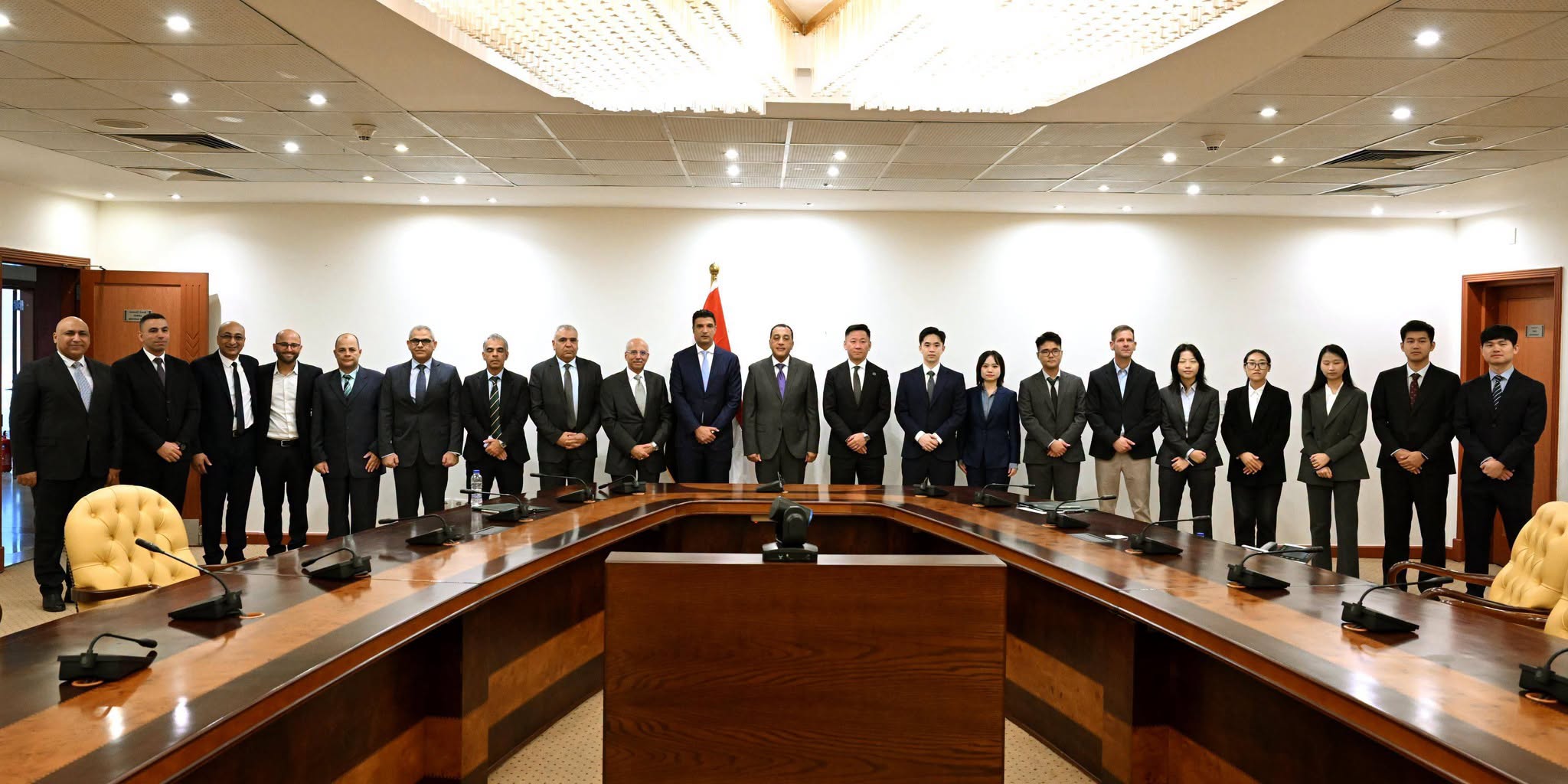
Egypt CATL EV Battery Plant Deal: $39M Investment Secured
Summary
- Egypt has signed a contract with Chinese battery maker Contemporary Amperex Technology (CATL).
- The agreement is for establishing an electric vehicle battery plant in Egypt.
- The initial investment for the facility is set to exceed 2 billion Egyptian pounds, equivalent to $39 million.
- The Egyptian Cabinet officially announced this significant deal on Sunday.
What Happened
The newly announced Egypt CATL EV battery plant deal marks a pivotal moment for the nation's industrial landscape and its ambitions in advanced manufacturing.
Egypt has officially entered into an agreement with Contemporary Amperex Technology (CATL), a prominent Chinese battery manufacturer, for the establishment of a new battery production facility within its borders. This significant industrial undertaking represents an initial financial commitment exceeding 2 billion Egyptian pounds, which translates to approximately $39 million. The details of this landmark contract were publicly disclosed by the Egyptian Cabinet on a recent Sunday.
The strategic partnership aims to bolster Egypt's manufacturing capabilities, specifically targeting the burgeoning electric vehicle (EV) sector. This move positions Egypt as a potential hub for critical components in the global EV supply chain, leveraging foreign direct investment to drive industrial growth. The announcement underscores a concerted effort by the Egyptian government to attract advanced technology and manufacturing expertise to its economy.
Economic & Industrial Implications
The newly announced Egypt CATL EV battery plant deal marks a pivotal moment for the nation's industrial landscape and its ambitions in advanced manufacturing. The substantial initial investment from Contemporary Amperex Technology, a global leader in battery production, signals a strong vote of confidence in Egypt's economic potential and its strategic location. This project is poised to significantly contribute to the country's gross domestic product and create numerous employment opportunities across various skill levels, from engineering to production line operations.
This foreign direct investment (FDI) into Egypt's industrial sector is particularly noteworthy as it targets a high-growth, technologically intensive area: electric vehicle battery manufacturing. Such an initiative is crucial for developing a robust EV supply chain in North Africa, potentially attracting further related investments and fostering a local ecosystem for electric mobility components. The establishment of this plant could reduce reliance on imported batteries, enhance local content, and position Egypt as a key player in the regional and international EV market.
Strategic Significance and Regulatory Context
The establishment of a major EV battery manufacturing facility by Contemporary Amperex Technology in Egypt carries profound strategic implications, extending beyond mere economic figures. This venture aligns with global trends towards sustainable transportation and could significantly advance Egypt's environmental goals by supporting the transition to electric vehicles. It also highlights the government's proactive stance in attracting high-value manufacturing and integrating into critical global supply chains.
From a regulatory perspective, this substantial investment under the Egypt CATL EV battery plant deal is likely to prompt a closer examination and potential evolution of existing frameworks. While the immediate announcement focuses on the deal itself, such a large-scale project will inevitably interact with Egyptian industrial licensing requirements, environmental regulations, and broader Egypt investment law pertaining to EV batteries. This deal could serve as a precedent for future large-scale foreign investments in the country's rapidly developing industrial base.
Practical Implications
This significant foreign direct investment signals potential shifts in Egypt's industrial and environmental regulatory landscape, particularly for advanced manufacturing and EV supply chains. Lawyers should monitor new incentives or compliance requirements for large-scale industrial projects, while compliance officers should assess implications for local sourcing, environmental impact, and competitive positioning.
Source
How does this affect you?
Get an AI analysis of this article grounded in your jurisdictions, practice areas, and any policy documents you've uploaded to Wansom.
Finish Reading the Full Story and the Expert Analysis.
Get the latest legal & regulatory intelligence in Egypt
Wansom is AI and can make mistakes.