
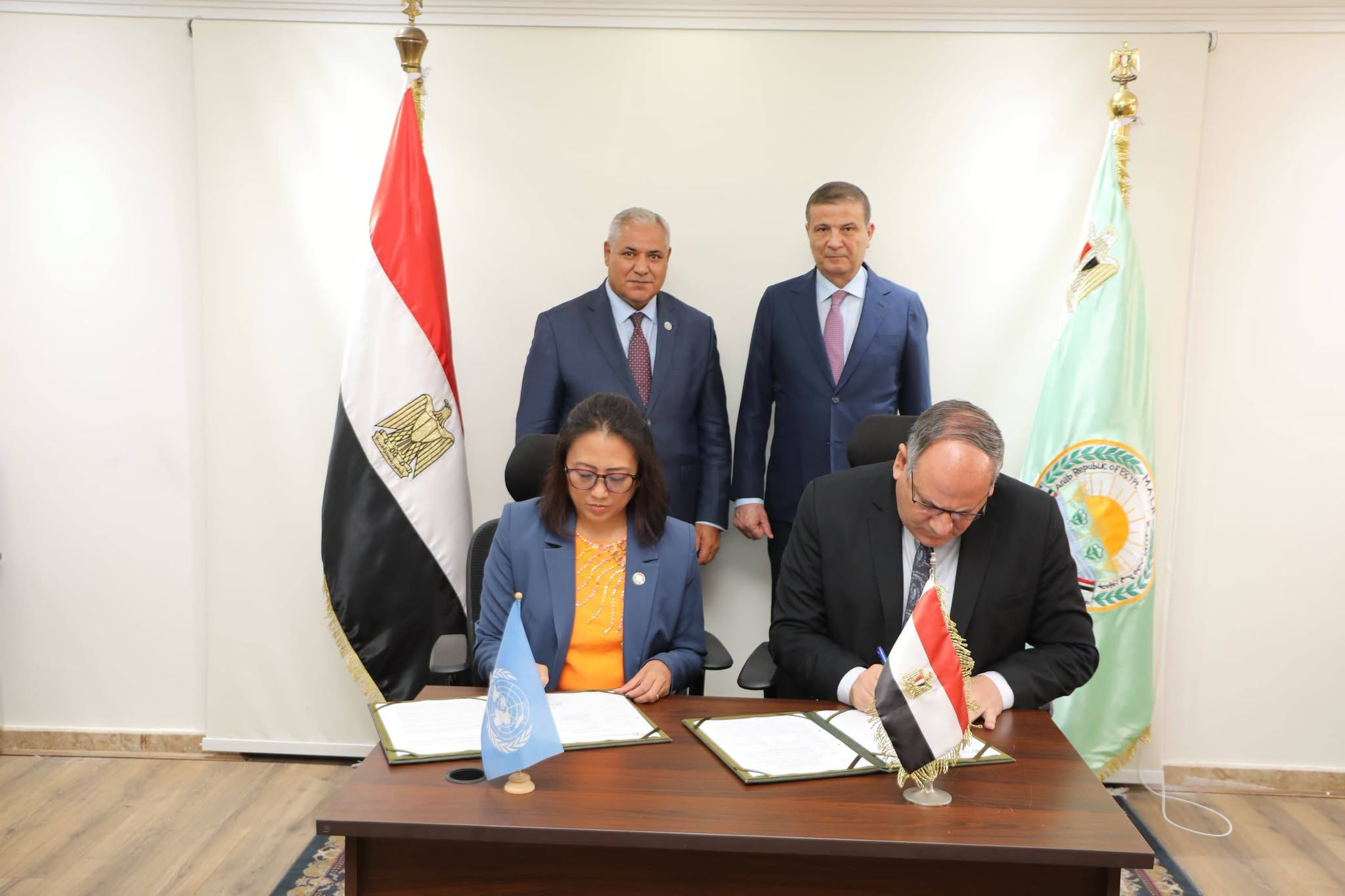
Egypt: FAO South Sinai Olive MoU Formalized for Agricultural Development
Summary
- Egypt's Ministry of Agriculture announced the signing of two memoranda of understanding with the United Nations Food and Agriculture Organization (FAO) on Thursday.
- One agreement focuses on supporting agricultural and rural development initiatives within the South Sinai region.
- The second agreement is specifically designed to strengthen Egypt's vital olive sector.
- These MoUs aim to enhance food security, rural livelihoods, and agricultural productivity in targeted areas.
- The collaboration signals strategic governmental and international interest in these key agricultural sectors.
A New Chapter in Agricultural Cooperation
Lawyers advising clients in Egypt's agricultural sector, particularly those with interests in South Sinai or olive cultivation, should monitor for subsequent policy initiatives, funding programs, or regulatory frameworks that may emerge from these MoUs, potentially creating new investment opportunities or compliance considerations.
The Egyptian government, through its Ministry of Agriculture, recently formalized two significant memoranda of understanding (MoUs) with the Food and Agriculture Organization of the United Nations (FAO). This development, announced on Thursday by the Ministry, signals a concerted effort to enhance key aspects of the nation's agricultural landscape. These agreements are designed to provide crucial support for both agricultural and rural development initiatives within the South Sinai region, alongside a dedicated focus on bolstering Egypt's vital olive sector.
This collaboration underscores a strategic alignment between Egypt's national development priorities and the FAO's mandate to improve food security and rural livelihoods globally. The signing of these MoUs represents a foundational step in what is anticipated to be a series of joint programs aimed at sustainable growth and increased productivity within the specified areas. For legal professionals advising on agricultural investments or rural development projects in Egypt, particularly those involving international organizations, these agreements establish a framework for future policy and project implementation.
Catalyzing Development in South Sinai
One of the primary objectives of the newly signed agreements centers on fostering agricultural and rural development across the South Sinai governorate. This particular MoU highlights a commitment to enhancing the economic viability and environmental sustainability of this strategically important region. Initiatives under this umbrella are typically geared towards improving farming practices, introducing new technologies, and empowering local communities through various rural development programs.
The focus on South Sinai agricultural development suggests an intent to unlock the region's productive potential, which could involve water management, crop diversification, and support for smallholder farmers. Such efforts, often facilitated through a comprehensive Egypt Food Agriculture Organization agreement, are critical for improving local food systems and creating new economic opportunities in areas that may face unique environmental or logistical challenges. Lawyers involved in land use, water rights, or agricultural infrastructure projects in South Sinai should closely monitor the specific programs that emerge from this framework.
Strengthening Egypt's Olive Sector
The second memorandum of understanding specifically targets the strengthening of Egypt's olive sector, a significant component of the nation's agricultural economy. This agreement aims to enhance various aspects of olive cultivation, processing, and market access, thereby boosting its overall competitiveness and contribution to national output. Efforts to strengthen the olive sector often encompass technical assistance, capacity building for farmers, and the promotion of sustainable production methods.
The Egyptian Ministry of Agriculture MoUs with international bodies like the FAO are instrumental in leveraging global expertise and resources to uplift specific agricultural industries. For the olive sector, this could translate into improved yields, better quality products, and expanded export opportunities. Businesses engaged in olive oil production, table olive processing, or related agricultural technologies should take note of this strategic focus, as it may lead to new incentives, subsidies, or regulatory adjustments designed to support the sector's growth.
Broader Implications for Agricultural Investment
These bilateral agreements between Egypt and the FAO carry significant implications for the broader agricultural investment landscape within the country. By focusing on specific regions like South Sinai and key commodities such as olives, the MoUs signal areas of strategic governmental and international interest. Such targeted interventions can create a more stable and supportive environment for both domestic and foreign investment in these sectors.
The commitment to agricultural and rural development, particularly through an Egypt Food Agriculture Organization agreement, often paves the way for subsequent funding initiatives, technical assistance programs, and policy reforms. Lawyers advising clients in Egypt's agricultural sector, particularly those with interests in South Sinai or olive cultivation, should monitor for subsequent policy initiatives, funding programs, or regulatory frameworks that may emerge from these MoUs, potentially creating new investment opportunities or compliance considerations. This proactive monitoring will be crucial for identifying emerging trends and advising on potential legal and commercial implications.
Practical Implications
Lawyers advising clients in Egypt's agricultural sector, particularly those with interests in South Sinai or olive cultivation, should monitor for subsequent policy initiatives, funding programs, or regulatory frameworks that may emerge from these MoUs, potentially creating new investment opportunities or compliance considerations.
Source
How does this affect you?
Get an AI analysis of this article grounded in your jurisdictions, practice areas, and any policy documents you've uploaded to Wansom.
Finish Reading the Full Story and the Expert Analysis.
Wansom is AI and can make mistakes.