
Egypt PM Madbouly: Building Violations Settlement Scheme Easing Review
Summary
- Egyptian Prime Minister Mostafa Madbouly recently reviewed progress on overhauling the nation's building violations settlement scheme.
- The scheme aims to legalize properties with certain construction irregularities.
- This review follows instructions issued by President Abdel Fattah al-Sisi at the Egypt Forum 2026.
- Minister of Local Development and Environment Manal Awad attended the meeting.
- The government seeks to ease the process for property owners to achieve legal compliance.
Key Meeting on Building Violations
The potential easing of Egypt’s building violations settlement scheme carries significant implications for both individual property owners and the broader real estate market.
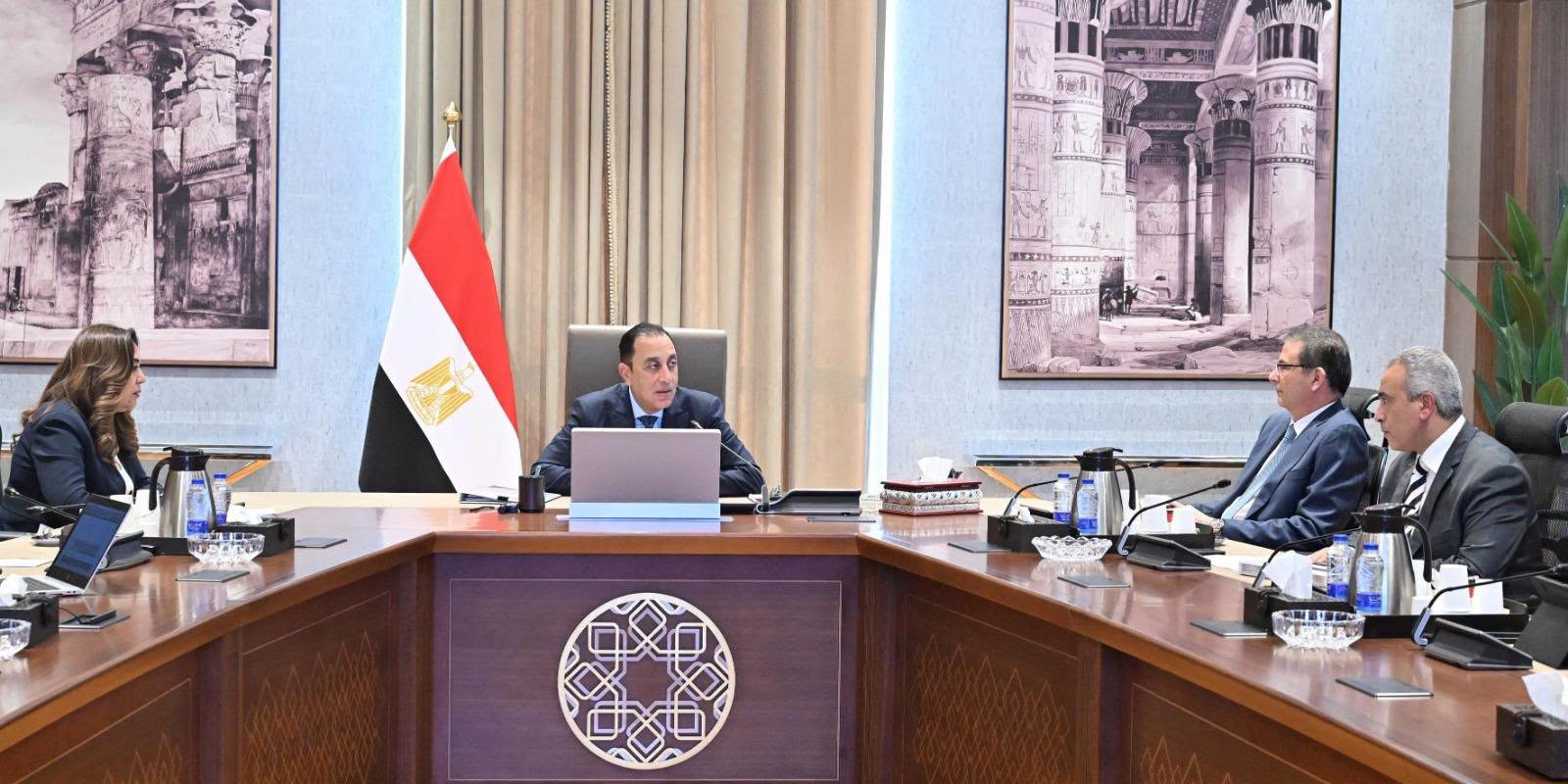
Egyptian Prime Minister Mostafa Madbouly recently presided over a crucial meeting with several ministers and high-ranking officials. The gathering, held on Monday, focused on evaluating the ongoing efforts to reform the nation's existing framework for addressing certain construction irregularities. The primary objective of this review is to streamline the process by which properties with identified violations can achieve legal status.
Among the notable attendees was Manal Awad, who holds the portfolio for local development and environment, alongside other key government figures. The discussions centered on the progress made in developing a more accessible and efficient mechanism for property owners to resolve outstanding building compliance issues. This initiative underscores the government's commitment to tackling the widespread challenge of unauthorized construction and ensuring greater adherence to established building codes.
The current push to overhaul the Egypt building violations settlement scheme aims to simplify the often-complex procedures that property owners face when attempting to legalize their assets. This strategic review is expected to result in amendments that could significantly alter the landscape of real estate compliance across the country, making it easier for citizens to regularize their property holdings. The government is keen on ensuring that the revised scheme effectively addresses past shortcomings and provides a clear path forward for legalisation.
Presidential Mandate and Legal Framework
This comprehensive review of the settlement scheme directly stems from explicit instructions issued by President Abdel Fattah al-Sisi. The President articulated his vision for reforming the system during his address at the Egypt Forum 2026, emphasizing the necessity of a more pragmatic approach to property legalisation. His directives set in motion the current governmental efforts to ease the administrative burden associated with resolving construction violations.
The existing legal framework for construction in Egypt has long grappled with issues of non-compliance, leading to a substantial number of properties operating outside full legal recognition. President Sisi's intervention signals a high-level commitment to rectifying these systemic challenges through Egyptian building law changes. The goal is not merely to penalize but to provide a viable pathway for property owners to bring their assets into conformity with national regulations, thereby enhancing urban planning and safety standards.
The Madbouly property legalisation review is therefore a direct response to these presidential directives, aiming to translate the strategic vision into actionable policy. The proposed amendments are expected to address various facets of the Egypt construction violations settlement process, from application procedures to fee structures, all with the overarching goal of making the scheme more effective and widely adopted by the public. This governmental focus on real estate compliance updates reflects a broader strategy to modernize the country's urban development policies.
Why These Changes Matter
The potential easing of Egypt’s building violations settlement scheme carries significant implications for both individual property owners and the broader real estate market. For property owners, a simplified and more accessible legalisation process could unlock substantial value, allowing them to formally register their assets, access financial services, and ensure long-term security of tenure. This move could alleviate concerns for countless citizens who have invested in properties with historical or ongoing compliance issues.
From a national perspective, a successful overhaul of the scheme could lead to a more organized and regulated urban environment. By bringing a greater number of properties into legal compliance, the government can enhance its oversight of urban development, improve infrastructure planning, and ensure safer living conditions. This initiative is a critical component of the government's strategy to foster sustainable growth and stability within the housing and construction sectors.
Ultimately, the ongoing efforts to refine the Egypt building violations settlement scheme represent a pivotal moment for the country's real estate landscape. The outcome of Prime Minister Madbouly's review and the subsequent implementation of any new provisions will directly influence the ease with which property legalisation can be achieved, impacting investment, urban planning, and the daily lives of millions of Egyptians. The government's proactive stance, guided by President Sisi's building law directives, aims to create a more transparent and equitable system for all stakeholders.
Practical Implications
Lawyers advising on Egyptian real estate and construction should monitor upcoming amendments to the building violations settlement scheme, as proposed changes could significantly impact property legalisation processes and compliance requirements for clients.
Source
How does this affect you?
Get an AI analysis of this article grounded in your jurisdictions, practice areas, and any policy documents you've uploaded to Wansom.
Finish Reading the Full Story and the Expert Analysis.
Get the latest legal & regulatory intelligence in Egypt
Wansom is AI and can make mistakes.