
Sisi Egypt: Mandates Enhanced Banking Risk Controls, Reserves
Summary
- Egyptian President Abdel Fattah El-Sisi recently called for stronger financial stability measures.
- The President emphasized maintaining sufficient foreign currency reserves to secure strategic imports.
- He also directed the strengthening of risk management, governance, and cybersecurity within the financial system.
- These measures aim to enhance the resilience and security of Egypt's banking sector.
Presidential Directives on Financial Stability
His mandate specifically targeted the enhancement of risk management protocols, the strengthening of governance frameworks, and the bolstering of cybersecurity measures across all financial institutions.
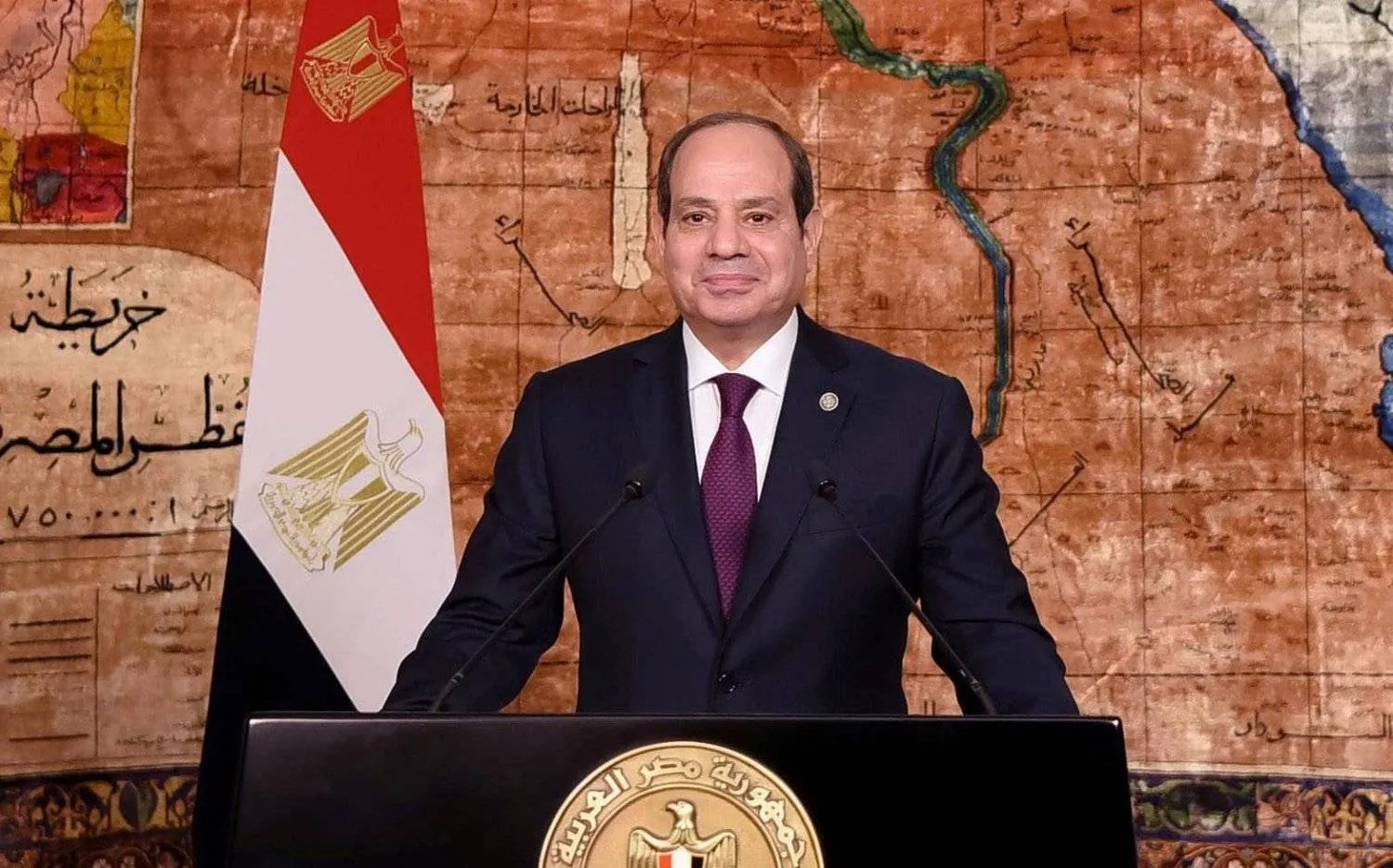
Egyptian President Abdel Fattah El-Sisi recently issued a significant call to action concerning the nation's financial resilience and security. On Monday, the President underscored the critical need for maintaining robust foreign currency reserves, a measure essential for safeguarding Egypt's capacity to procure strategic imports of vital commodities. This directive highlights a proactive stance towards ensuring national economic stability and supply chain security in the face of global economic fluctuations.
Presidential Directives on Financial Stability
Beyond foreign exchange, President El-Sisi also emphasized the imperative to fortify the broader financial system. His mandate specifically targeted the enhancement of risk management protocols, the strengthening of governance frameworks, and the bolstering of cybersecurity measures across all financial institutions. This comprehensive approach signals a commitment to cultivating a more secure and resilient financial environment within Egypt, addressing both internal operational integrity and external threat vectors.
Safeguarding Economic Foundations
The presidential call for sufficient Egyptian foreign currency reserves is directly linked to the nation's ability to secure essential goods from international markets. These reserves act as a crucial buffer, providing the necessary liquidity to finance imports that are vital for the country's economy and its citizens' well-being. Ensuring their adequacy is a fundamental aspect of national economic security, particularly for a country reliant on global trade for strategic commodities.
Safeguarding Economic Foundations
Furthermore, the emphasis on strengthening risk management governance within the financial sector reflects a recognition of the complex challenges faced by modern economies. Effective risk management frameworks are indispensable for identifying, assessing, and mitigating potential financial threats, ranging from market volatility to credit defaults. Coupled with robust governance, these measures aim to ensure transparency, accountability, and sound decision-making across Egypt's banking and financial institutions.
Bolstering Financial System Security
President El-Sisi's directive also placed a strong focus on enhancing Egypt financial system cybersecurity. In an increasingly digitalized global economy, the integrity and security of financial transactions and data are paramount. Strengthening cybersecurity defenses is crucial for protecting against cyberattacks, data breaches, and other digital threats that could undermine public trust and financial stability. This proactive stance is vital for maintaining the operational continuity and reliability of the nation's banking infrastructure.
Bolstering Financial System Security
The call for improved cybersecurity, alongside enhanced risk controls and governance, collectively aims to create a more secure and trustworthy financial ecosystem. This integrated approach is designed to protect both the institutions themselves and the consumers they serve, fostering an environment conducive to sustained economic growth and investor confidence. The directives signal a clear intent to elevate the standards of financial security and operational excellence throughout the sector.
Why These Directives Matter
The pronouncements by Abdel Fattah El-Sisi regarding banking and financial sector stability carry significant weight for all stakeholders. For financial institutions in Egypt, these calls foreshadow increased regulatory scrutiny and a potential push for more stringent compliance requirements. Banks and other financial entities will likely need to review and upgrade their existing risk management frameworks, governance structures, and cybersecurity protocols to align with the presidential vision for Sisi Egypt banking risk controls.
Why These Directives Matter
Ultimately, these directives are aimed at reinforcing the foundational pillars of Egypt's economy. By ensuring ample foreign currency reserves, the nation can better navigate global economic pressures and secure essential supplies. Simultaneously, by fortifying the financial system through improved risk management, governance, and cybersecurity, Egypt aims to enhance its attractiveness to international investors, safeguard its economic future, and ensure the long-term stability and resilience of its financial landscape.
Practical Implications
Lawyers and compliance officers in Egypt's financial sector should anticipate increased regulatory scrutiny and potential new directives concerning risk management, governance, and cybersecurity, necessitating proactive review of internal policies and compliance frameworks to mitigate exposure.
Source
How does this affect you?
Get an AI analysis of this article grounded in your jurisdictions, practice areas, and any policy documents you've uploaded to Wansom.
Finish Reading the Full Story and the Expert Analysis.
Get the latest legal & regulatory intelligence in Egypt
Wansom is AI and can make mistakes.