
Egypt: Military Production Signs Intel AI MoU for Localization
Summary
- Toya Technology, a subsidiary of Egypt's Ministry of Military Production, signed an MoU with Intel to localize AI technologies.
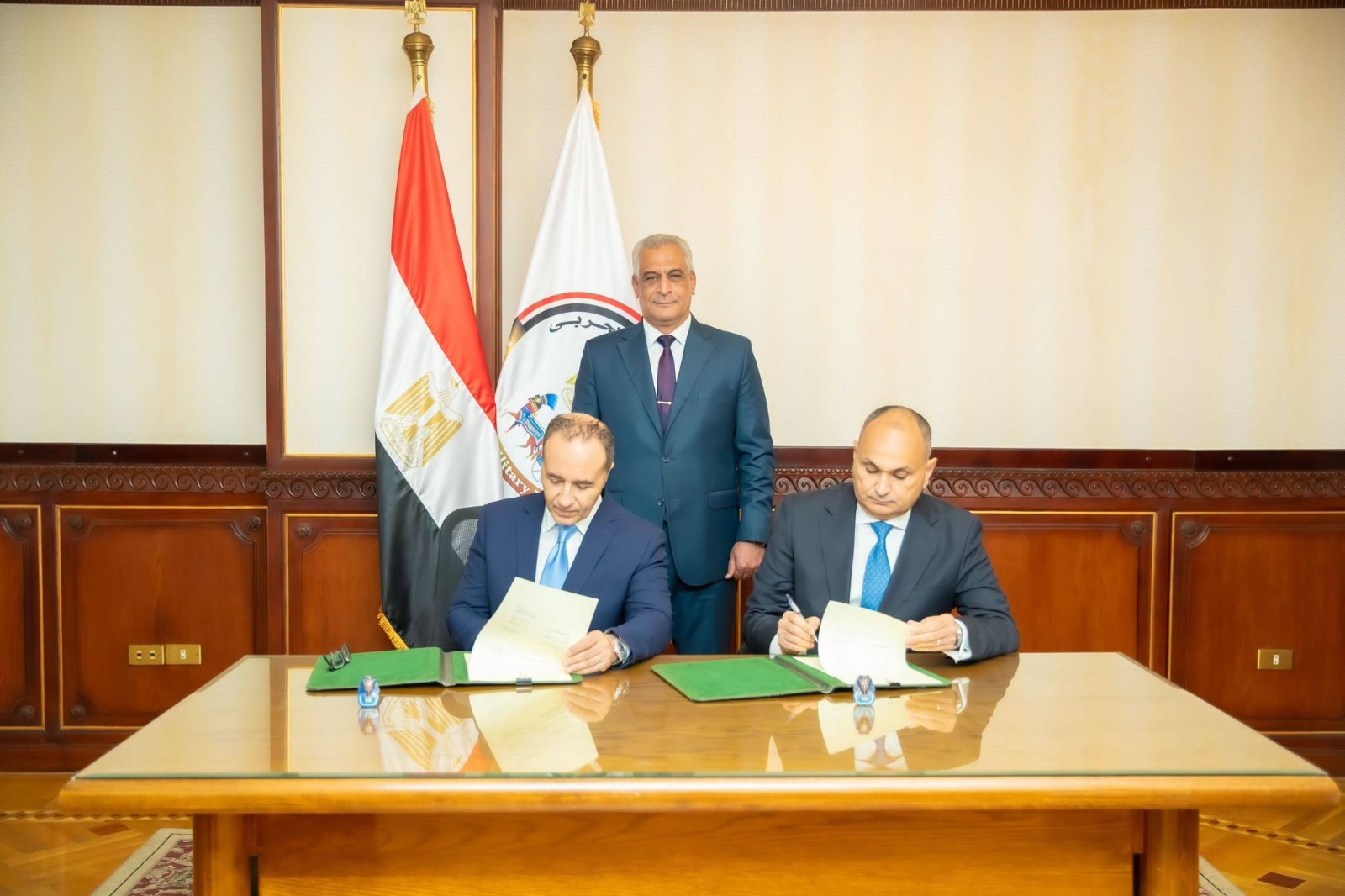
- Salah Gamblat, Minister of State for Military Production, witnessed the signing, alongside Intel's regional general managers Gisselle Ruiz Lanza and Taha Khalifa.
- This Egypt Military Production Intel AI MoU signifies a strategic national focus on building domestic AI capabilities and reducing reliance on foreign technology.
- The partnership is expected to drive the development of new legal and regulatory frameworks concerning data governance, intellectual property, and AI ethics in Egypt.
- The Toya Technology Intel agreement aims to foster economic growth, create specialized jobs, and position Egypt as a regional leader in AI innovation.
Strategic Partnership for AI Localization
This pivotal agreement aims to advance the localization of artificial intelligence (AI) technologies within Egypt, marking a crucial step in the nation's technological development strategy.
A significant memorandum of understanding (MoU) has been formally established between Toya Technology, a subsidiary operating under the Ministry of Military Production, and Intel. This pivotal agreement aims to advance the localization of artificial intelligence (AI) technologies within Egypt, marking a crucial step in the nation's technological development strategy. The collaboration, referred to as the Egypt Military Production Intel AI MoU, underscores a concerted effort to build domestic capabilities in cutting-edge AI fields.
The signing ceremony was a high-profile event, attended by several key figures. Salah Gamblat, the Minister of State for Military Production, was present to witness the official proceedings, highlighting the governmental importance placed on this initiative. Also in attendance were Intel's regional leadership, including Gisselle Ruiz Lanza, the Vice President of Intel's Sales and Marketing Group and General Manager for Latin America, and Taha Khalifa, the General Manager specifically for the Middle East and Africa, alongside other unnamed dignitaries, further emphasizing the strategic nature of this Toya Technology Intel agreement.
Driving Egyptian AI Technology Localization
The core objective of this newly forged partnership is to foster Egyptian AI technology localization, a goal that aligns with broader national ambitions for technological self-reliance and innovation. By collaborating with a global technology leader like Intel, Toya Technology, under the Ministry of Military Production, is positioned to accelerate the transfer of advanced AI knowledge and capabilities into the local ecosystem. This strategic move is expected to empower Egyptian engineers and researchers, contributing to the development of indigenous AI solutions tailored to the country's specific needs and challenges.
This Salah Gamblat Intel partnership signifies a commitment to cultivating a robust domestic AI industry. Such initiatives are vital for reducing dependence on foreign technology and fostering a vibrant local talent pool. The focus on localization through this Egypt Military Production Intel AI MoU is anticipated to stimulate economic growth, create specialized job opportunities, and position Egypt as a regional leader in AI development and application, thereby enhancing its technological sovereignty.
Evolving Legal and Regulatory Frameworks
The strategic emphasis on AI localization, as evidenced by this significant Egypt Military Production Intel AI MoU, is poised to trigger substantial developments in Egypt's legal and regulatory landscape. As advanced AI technologies become more integrated into national infrastructure and industries, there will be an increasing need for comprehensive frameworks governing data governance, intellectual property rights, and ethical considerations specific to AI. Companies operating or planning to operate within the Egyptian AI sector should anticipate the emergence of new legislation and updated contractual standards to address these complex issues.
Specifically, the drive for technology transfer inherent in the Toya Technology Intel agreement may necessitate a closer examination of existing Egypt technology transfer law, potentially leading to amendments or new provisions designed to facilitate such partnerships while safeguarding national interests. Furthermore, the broader push for AI development will undoubtedly accelerate the formulation of specific AI regulation Egypt, covering areas from data privacy and algorithmic transparency to liability and cybersecurity. Legal and compliance professionals will need to closely monitor these evolving requirements to ensure adherence and mitigate risks in this rapidly developing sector.
Broader Economic and Sectoral Impact
Beyond the immediate parties involved, the Egypt Military Production Intel AI MoU is expected to generate significant ripple effects across the nation's burgeoning technology sector. This high-profile collaboration serves as a powerful signal of Egypt's dedication to embracing advanced technologies, potentially attracting further foreign direct investment and fostering a more dynamic innovation environment. The localization efforts are not just about technology transfer but also about building a sustainable ecosystem that can support future AI research, development, and deployment.
Such partnerships are instrumental in upskilling the national workforce and creating a knowledge-based economy. The focus on Egyptian AI technology localization through the Toya Technology Intel agreement will likely lead to increased demand for specialized skills in areas such as machine learning, data science, and AI ethics. This, in turn, will drive educational and vocational training initiatives, ultimately contributing to a more competitive and technologically advanced Egyptian economy.
Practical Implications
This MoU signals Egypt's strategic focus on AI localization, which will likely lead to new regulatory frameworks, data governance requirements, and intellectual property considerations for companies operating or planning to operate in the Egyptian AI sector. Lawyers and compliance officers should monitor for emerging legislation and contractual standards related to AI development and data handling in Egypt.
Source
How does this affect you?
Get an AI analysis of this article grounded in your jurisdictions, practice areas, and any policy documents you've uploaded to Wansom.
Finish Reading the Full Story and the Expert Analysis.
Get the latest legal & regulatory intelligence in Egypt
Wansom is AI and can make mistakes.