
Egypt PPP: Approves Industrial Wastewater Desalination Projects
Summary
- Egypt's Higher Committee for Public-Private Partnership Affairs approved new infrastructure and service projects.
- These projects include industrial wastewater treatment plants, seawater desalination facilities, and electricity infrastructure.
- Prime Minister Mostafa Madbouly chaired the committee meeting where these approvals were made.
- The initiatives will be implemented through public-private partnership arrangements.
- The government emphasized its commitment to these strategic development projects.
Key Approvals by Egypt's PPP Committee
The expansion of seawater desalination capacity is a direct response to the challenges posed by water scarcity, offering a reliable and climate-resilient source of potable water for coastal communities and beyond.
In a significant move to bolster its infrastructure, Egypt's Higher Committee for Public-Private Partnership (PPP) Affairs recently gave its assent to a new collection of infrastructure and service projects. These initiatives are slated for execution through public-private partnership arrangements, signaling a continued commitment to leveraging private sector expertise and capital for national development. The approved portfolio encompasses critical areas vital for the nation's growth and sustainability.
Among the projects greenlit are facilities dedicated to industrial wastewater treatment, which are crucial for environmental protection and resource management. Additionally, the committee approved the development of new seawater desalination facilities, directly addressing Egypt's water security challenges. The package also includes essential electricity infrastructure projects, aiming to enhance the country's power generation and distribution capabilities.
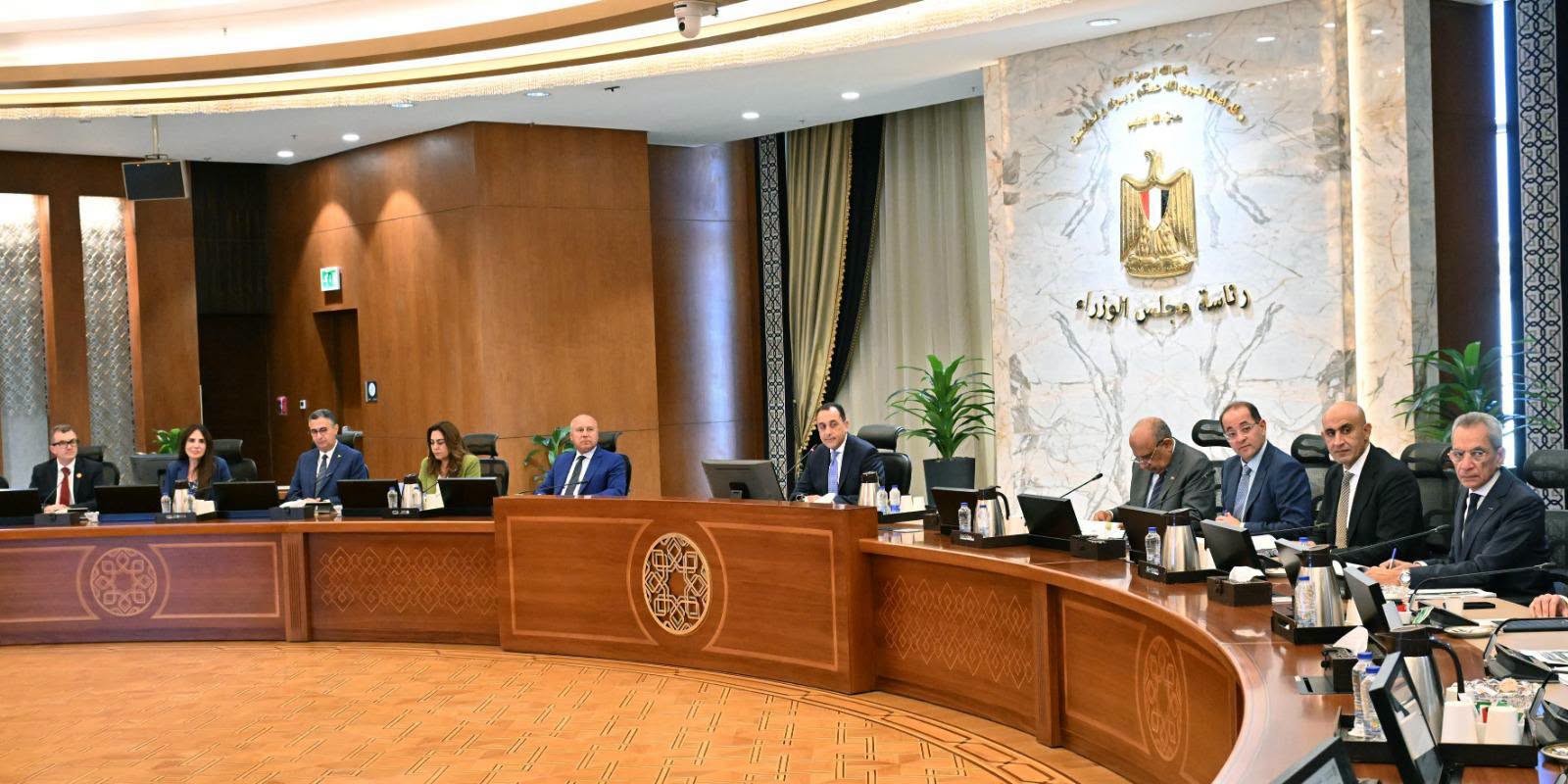
The pivotal meeting where these approvals were granted was chaired by Prime Minister Mostafa Madbouly on a recent Sunday. The session saw the participation of numerous ministers and high-ranking officials, underscoring the government's unified approach to these strategic endeavors. During the proceedings, Prime Minister Madbouly emphasized the government's unwavering dedication to these projects, highlighting their importance for Egypt's future.
Strategic Context of PPP in Egypt
The decision by the Higher Committee for PPP Affairs reflects Egypt's broader strategy to accelerate infrastructure development through collaborative models. Public-private partnerships are increasingly viewed as an effective mechanism to finance, build, and operate large-scale projects that might otherwise strain public budgets. This approach allows for the transfer of risk and innovation from the private sector, while ensuring public oversight and strategic alignment.
The inclusion of industrial wastewater treatment plants and seawater desalination facilities within this new package aligns with Egypt's urgent need to manage its water resources more efficiently. With a rapidly growing population and limited freshwater sources, investing in advanced water treatment and desalination technologies is paramount. These Egypt PPP industrial wastewater desalination projects are central to securing a sustainable water future for the nation.
Furthermore, the approval of electricity infrastructure projects under the PPP framework underscores the government's drive to meet escalating energy demands and modernize its power grid. Such initiatives are integral to supporting industrial expansion, urban development, and improving the quality of life for citizens across the country. The Higher Committee for PPP Affairs Egypt plays a crucial role in vetting and advancing these complex, long-term investments.
Implications for National Development
These newly approved projects hold substantial implications for Egypt's long-term economic and environmental sustainability. The focus on industrial wastewater treatment will not only mitigate pollution but also potentially create new sources of water for non-potable uses, thereby conserving precious freshwater supplies. This directly contributes to the nation's environmental goals and responsible industrial practices.
The expansion of seawater desalination capacity is a direct response to the challenges posed by water scarcity, offering a reliable and climate-resilient source of potable water for coastal communities and beyond. These Egypt water treatment PPP opportunities are critical for enhancing food security and public health. By engaging the private sector, the government aims to ensure these vital facilities are developed and operated with maximum efficiency and technological advancement.
Overall, this package of infrastructure development projects, sanctioned under the leadership of Prime Minister Mostafa Madbouly, signifies a robust commitment to modernizing Egypt's essential services. The strategic use of the public-private partnership model is expected to attract significant investment, foster innovation, and deliver high-quality infrastructure solutions that are essential for the country's continued growth and prosperity.
Practical Implications
Lawyers and compliance officers should monitor these newly approved Egyptian PPP projects for industrial wastewater treatment and desalination, as they represent significant opportunities for project finance, regulatory compliance, and contractual advisory work for clients involved in infrastructure development, environmental services, or water management sectors.
Source
How does this affect you?
Get an AI analysis of this article grounded in your jurisdictions, practice areas, and any policy documents you've uploaded to Wansom.
Finish Reading the Full Story and the Expert Analysis.
Get the latest legal & regulatory intelligence in Egypt
Wansom is AI and can make mistakes.