
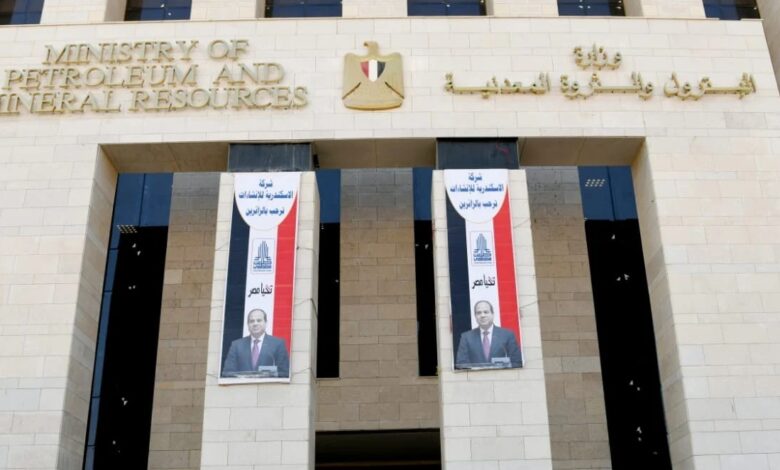
Egyptian Government: Launches Electronic Fuel Distribution Oversight System
Summary
- Egypt's Ministry of Petroleum and Mineral Resources has developed an electronic system for fuel distribution oversight.
- The system aims to tighten control over petroleum product distribution and curb illegal practices.
- It was created in coordination with the Ministries of Interior and Communications and Information Technology.
- This initiative supports Egypt's broader goals of digital transformation and strengthening governance.
- The new system signifies increased regulatory scrutiny for the petroleum distribution sector.
What Happened
This digital transformation in oversight will reshape how fuel is tracked and distributed, demanding greater transparency from all participants and potentially introducing new reporting requirements that businesses must integrate into their daily operations.
The Egyptian government has introduced a comprehensive electronic system designed to enhance supervision over the distribution of petroleum products across the nation. This significant initiative, spearheaded by the Ministry of Petroleum and Mineral Resources, aims to establish more stringent controls to prevent illicit activities within the fuel supply chain. The new framework represents a concerted effort to bring greater transparency and accountability to the sector, directly addressing concerns about unauthorized practices.
This advanced monitoring system was developed through a collaborative effort involving several key governmental bodies. The Ministry of Petroleum and Mineral Resources worked in close coordination with both the Ministry of Interior and the Ministry of Communications and Information Technology to ensure a robust and integrated solution. This multi-ministerial approach underscores the strategic importance placed on effective Egypt electronic fuel distribution oversight.
Regulatory Context
The establishment of this sophisticated Egyptian petroleum product monitoring system is not an isolated measure but rather an integral component of a broader national strategy. It aligns with the state's overarching objectives to accelerate digital transformation across various sectors and to reinforce governance structures throughout the country. The Ministry of Petroleum digital oversight Egypt initiative reflects a commitment to leveraging technology to improve administrative efficiency and regulatory effectiveness.
This collaborative governmental endeavor highlights a strategic push to modernize regulatory frameworks. By involving the Ministry of Interior, the system gains a crucial enforcement dimension, while the Ministry of Communications and Information Technology ensures the technological backbone is sound and secure. This inter-agency cooperation is fundamental to creating a unified front against non-compliance and to strengthening the overall integrity of the fuel distribution network.
Why It Matters
The implementation of this electronic system carries significant implications for all stakeholders involved in Egypt's petroleum distribution sector. It signals an era of heightened regulatory scrutiny and a proactive approach to curbing illegal fuel practices Egypt. Businesses operating in this space will need to adapt to more rigorous oversight, as the system is specifically designed to detect and deter unauthorized activities that undermine market integrity and state revenues. This shift towards digital monitoring will inevitably lead to more transparent operations and a reduced tolerance for any deviations from established protocols.
For legal professionals advising clients in this sector, understanding the nuances of this new framework is paramount. The increased focus on Egypt fuel distribution compliance will necessitate a thorough review of existing operational procedures and internal controls. Companies must prepare for enhanced monitoring capabilities and ensure their practices align fully with the updated regulatory environment to mitigate potential risks and avoid penalties associated with non-compliance. This digital transformation in oversight will reshape how fuel is tracked and distributed, demanding greater transparency from all participants and potentially introducing new reporting requirements that businesses must integrate into their daily operations.
Practical Implications
Lawyers advising clients in Egypt's petroleum distribution sector must understand the implications of this new electronic system, as it signals increased regulatory scrutiny and potential new compliance requirements for their operations. Compliance officers should prepare for enhanced monitoring and adapt internal controls to mitigate risks associated with illegal practices.
Source
How does this affect you?
Get an AI analysis of this article grounded in your jurisdictions, practice areas, and any policy documents you've uploaded to Wansom.
Finish Reading the Full Story and the Expert Analysis.
Wansom is AI and can make mistakes.