
Egypt's SSCHR: Begins Human Rights Strategy 2027-2031 Development
Summary
- Egypt's Minister of Foreign Affairs, Badr Abdelatty, chaired the eighth ministerial meeting of the Supreme Standing Committee for Human Rights (SSCHR).
- The meeting, held on November 26, 2026, reviewed the implementation of the current National Human Rights Strategy.
- Discussions also focused on preparing for the second edition of the strategy, covering the period from 2027 to 2031.
- The SSCHR plays a key role in overseeing and coordinating Egypt's human rights agenda.
What Happened
The preparatory work for the Egypt human rights strategy 2027-2031 carries significant implications for various stakeholders, both within Egypt and internationally.
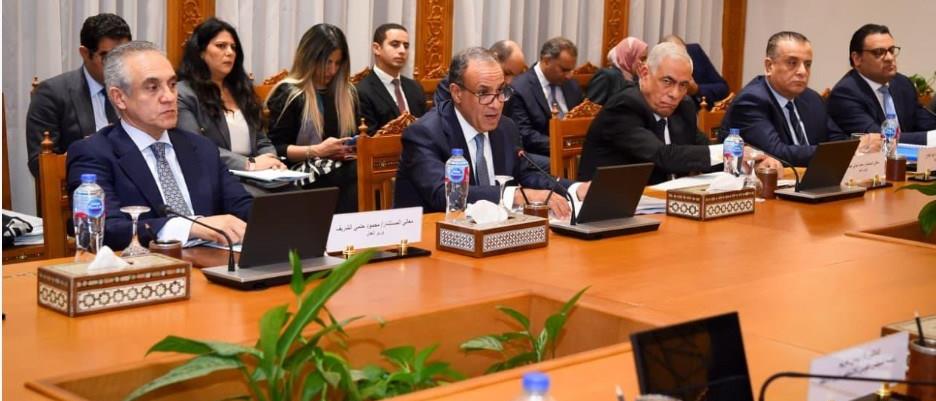
On Thursday, November 26, 2026, a significant ministerial gathering took place, led by Egypt's Minister of Foreign Affairs, International Cooperation and Egyptians Abroad, Badr Abdelatty. This pivotal meeting marked the eighth time the Supreme Standing Committee for Human Rights (SSCHR) convened at a ministerial level, underscoring the ongoing commitment to human rights policy within the nation. The session commenced with a minute's silence, setting a solemn tone for the critical discussions that followed.
The primary agenda for this high-level meeting involved a dual focus: a comprehensive review of the progress and implementation of Egypt’s existing National Human Rights Strategy, and the crucial initial preparations for its subsequent iteration. This forward-looking approach signals a continuous effort to evolve and refine the country's human rights framework, ensuring its relevance and effectiveness over time.
Strategic Framework
The current National Human Rights Strategy has been a cornerstone of Egypt's approach to human rights, guiding various governmental and societal initiatives. The recent SSCHR meeting provided an opportunity to critically assess the achievements and challenges encountered during its implementation, allowing for informed adjustments and future planning. This continuous Egypt human rights policy review is vital for adapting to evolving national and international contexts.
Looking ahead, a key outcome of the discussions was the initiation of work on the second edition of this strategic document. This upcoming framework, designated as the Egypt human rights strategy 2027-2031, will outline the nation's objectives and actions in the human rights domain for the next half-decade. The development of such a long-term plan reflects a structured and deliberate approach to human rights governance.
Institutional Role
The Supreme Standing Committee for Human Rights (SSCHR) plays a central role in shaping and overseeing Egypt's human rights agenda. Chaired by Minister Badr Abdelatty, this committee serves as the primary governmental body responsible for coordinating efforts related to human rights across various ministries and institutions. Its regular ministerial meetings, such as the eighth session recently held, are instrumental in maintaining momentum and ensuring high-level oversight of these critical issues.
The SSCHR's mandate extends beyond mere policy formulation; it encompasses monitoring the practical application of human rights principles and ensuring compliance with national and international standards. The committee's work, particularly under the leadership of figures like Badr Abdelatty, is crucial for driving the nation's human rights initiatives and fostering a culture of respect for fundamental freedoms.
Future Implications
The preparatory work for the Egypt human rights strategy 2027-2031 carries significant implications for various stakeholders, both within Egypt and internationally. A well-defined strategy can provide clarity on the government's priorities, potential areas of reform, and expected standards of conduct. This proactive planning allows for a more coherent and impactful approach to human rights issues, moving beyond reactive measures.
For entities operating within Egypt, monitoring the development of this new strategy will be essential. It could signal shifts in regulatory focus, introduce new compliance obligations, or highlight areas of increased scrutiny regarding human rights practices. The ongoing commitment to an Egypt human rights policy review, culminating in a new five-year plan, underscores the nation's intent to continually address and improve its human rights landscape.
Practical Implications
Lawyers and compliance officers advising entities operating in Egypt should monitor the development of the 2027-2031 National Human Rights Strategy for potential shifts in regulatory focus, compliance obligations, or areas of increased scrutiny regarding human rights practices within the jurisdiction.
Source
How does this affect you?
Get an AI analysis of this article grounded in your jurisdictions, practice areas, and any policy documents you've uploaded to Wansom.
Finish Reading the Full Story and the Expert Analysis.
Get the latest legal & regulatory intelligence in Egypt
Wansom is AI and can make mistakes.