
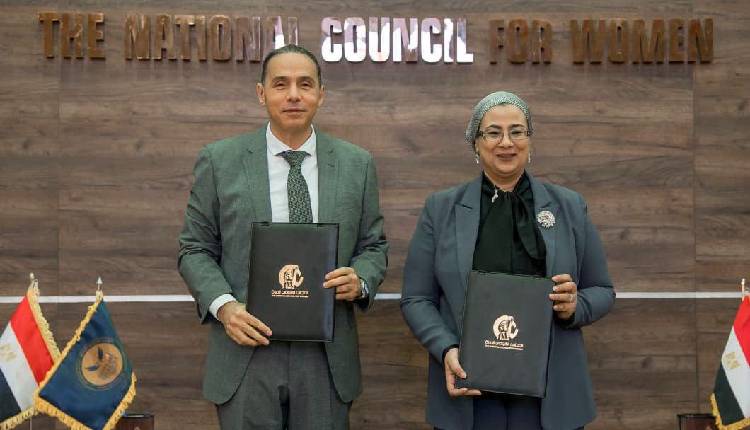
Egypt FRA NCW: Signs Women's Financial Inclusion Protocol
Summary
- Egypt's Financial Regulatory Authority (FRA) and the National Council for Women (NCW) signed a cooperation protocol on a recent Monday.
- The agreement aims to improve women's financial literacy across Egypt.
- A key objective is to expand women's access to non-bank financial services.
- This partnership seeks to foster greater financial inclusion and economic empowerment for women.
New Protocol Bolsters Women's Financial Access
This strategic partnership between a key financial regulator and a leading women's advocacy body underscores a concerted push towards greater financial inclusion.
A significant collaborative effort was recently formalized in Egypt, aimed at enhancing the economic participation of women across the nation. On a recent Monday, the Financial Regulatory Authority (FRA) and the National Council for Women (NCW) officially signed a cooperation protocol. This agreement establishes a framework for joint initiatives designed to empower women through improved financial understanding and expanded access to crucial financial tools.
The core objectives of this newly established protocol are twofold: first, to elevate the level of financial literacy among Egyptian women, equipping them with the knowledge and skills necessary for sound financial decision-making. Second, the agreement seeks to broaden women's reach to non-bank financial services, which encompass a wide array of financial products and services outside traditional banking institutions. This strategic partnership between a key financial regulator and a leading women's advocacy body underscores a concerted push towards greater financial inclusion.
Regulatory Mandate and Empowerment Goals
The Financial Regulatory Authority (FRA) in Egypt holds a critical mandate over the country's non-bank financial sector, overseeing entities involved in insurance, capital markets, microfinance, and other related services. Its involvement in this protocol highlights a commitment to ensuring that regulatory frameworks support equitable access to these services, particularly for underserved demographics like women. By partnering with the NCW, the FRA signals an intent to align its regulatory oversight with broader social development goals, specifically targeting the expansion of financial services for women in Egypt.
Conversely, the National Council for Women (NCW) serves as the primary governmental body dedicated to advancing women's rights and empowerment in Egypt. Its participation in this cooperation agreement reflects a strategic recognition that financial inclusion is a cornerstone of economic empowerment and gender equality. The NCW's focus on improving women's financial literacy and access to financial services aligns directly with its overarching mission to foster an environment where women can achieve greater economic independence and contribute more fully to the national economy.
Driving Economic Inclusion and Development
The implications of this FRA NCW cooperation agreement in Egypt extend beyond individual financial well-being, touching upon broader national development objectives. Enhancing financial literacy among women is crucial for fostering a more informed and resilient consumer base, enabling better management of household finances, and encouraging entrepreneurial ventures. This foundational knowledge empowers women to navigate complex financial landscapes, make strategic investments, and protect their assets.
Furthermore, expanding women's access to Egypt's non-bank financial services can unlock significant economic potential. These services often provide flexible and accessible alternatives to traditional banking, such as micro-loans for small businesses, tailored insurance products, and accessible savings schemes. By ensuring that more women can utilize these tools, the protocol aims to stimulate economic activity, reduce financial vulnerability, and promote sustainable growth, ultimately contributing to a more inclusive and robust Egyptian economy.
Practical Implications
Lawyers advising financial institutions or fintech companies in Egypt should monitor for new regulatory guidance, incentives, or compliance expectations that may arise from this FRA-NCW protocol, particularly regarding the expansion of non-bank financial services and financial literacy initiatives for women.
Source
How does this affect you?
Get an AI analysis of this article grounded in your jurisdictions, practice areas, and any policy documents you've uploaded to Wansom.
Finish Reading the Full Story and the Expert Analysis.
Get the latest legal & regulatory intelligence in Egypt
Wansom is AI and can make mistakes.