
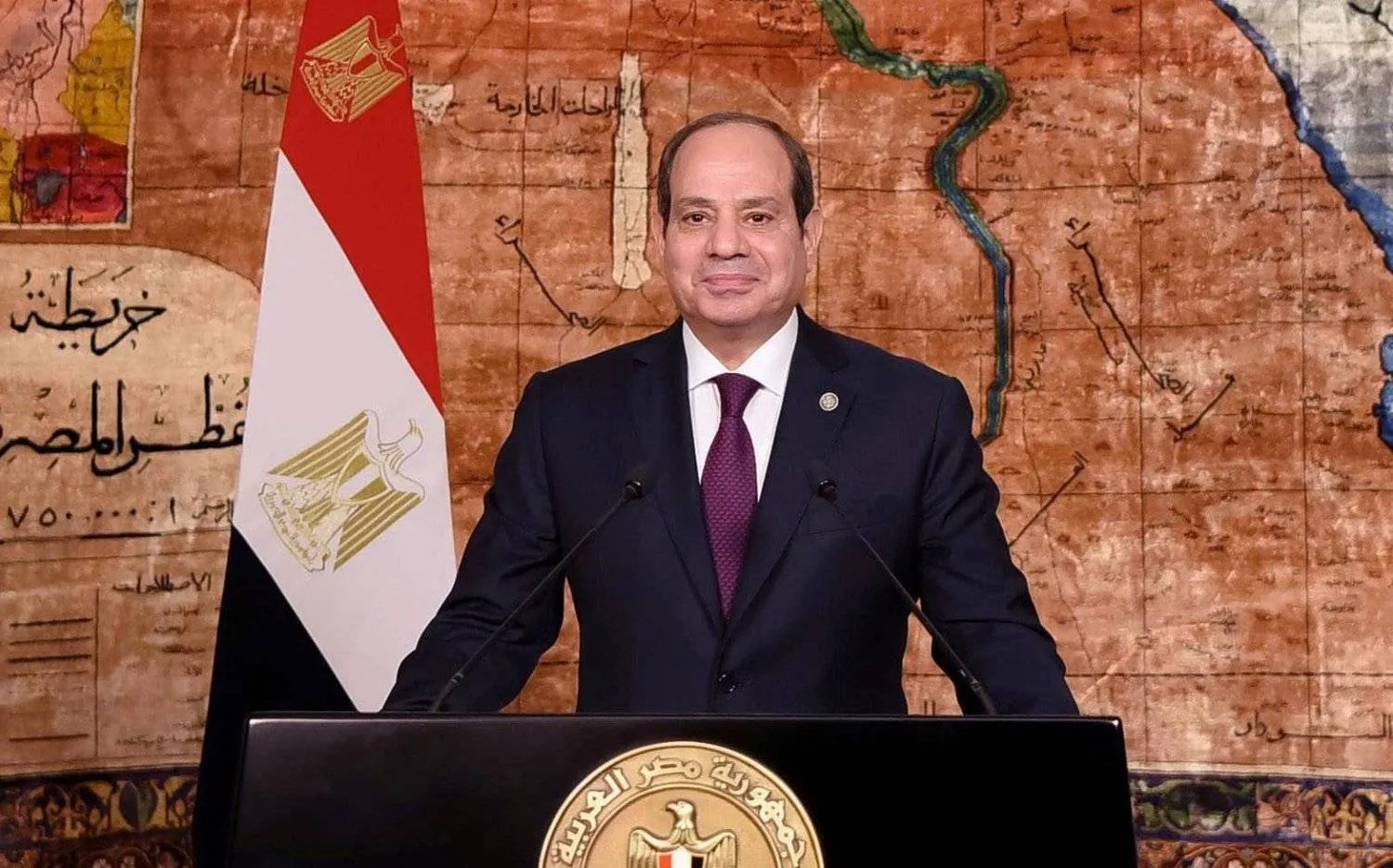
Egypt’s Sisi: Lifts Land Registration Curbs on Historic Endowment
Summary
- Egyptian President Abdel Fattah El-Sisi has ordered the lifting of land registration restrictions.
- The affected land belongs to the Ottoman-era Prince Mostafa Abdel-Mannan endowment.
- These properties are located across three specific governorates.
- The directive allows residents in these areas to resume property transactions.
- Prime Minister Moustafa Madbouly announced the decision on Wednesday.
Executive Action Unlocks Property Rights
The immediate consequence of this executive action is the restoration of normal property transaction capabilities for residents whose homes or businesses are situated on these specific land parcels.
Egyptian President Abdel Fattah El-Sisi has issued a significant directive, instructing governmental authorities to remove existing constraints on the registration of land associated with the historic Prince Mostafa Abdel-Mannan endowment. This endowment, established during the Ottoman era, holds considerable historical weight and encompasses properties across three distinct governorates within Egypt. The President's order directly addresses long-standing impediments to property ownership and transfer in these areas.
The immediate consequence of this executive action is the restoration of normal property transaction capabilities for residents whose homes or businesses are situated on these specific land parcels. Prime Minister Moustafa Madbouly formally announced this development on Wednesday, underscoring the government's commitment to resolving complex land tenure issues. This move is expected to alleviate considerable uncertainty and facilitate economic activity in the affected regions.
Understanding the Historic Endowment
The Prince Mostafa Abdel-Mannan endowment represents a form of waqf, a charitable trust common in Islamic legal tradition, often established to dedicate assets, such as land or buildings, for specific philanthropic or religious purposes. Such endowments, particularly those originating from the Ottoman period, frequently involve intricate ownership structures and historical documentation that can complicate modern land registration processes. The designation of land as part of an endowment can sometimes lead to restrictions on its sale, transfer, or development, depending on the specific terms of the original trust and subsequent legal interpretations.
Historically, land belonging to endowments has presented unique challenges for property administration, often requiring special legal frameworks to manage. The restrictions previously in place on the Prince Mostafa Abdel-Mannan endowment's land likely stemmed from these complexities, potentially freezing property markets and hindering residents' ability to legally formalize their ownership or engage in transactions. President Sisi's directive aims to untangle these historical knots, allowing for a more streamlined and accessible registration system.
Economic and Social Impact
The decision to lift these land registration curbs carries substantial implications for the thousands of residents residing in the three affected governorates. For an extended period, individuals living on land designated under the Prince Mostafa Abdel-Mannan endowment faced significant hurdles in conducting any form of property transaction, including buying, selling, or mortgaging their assets. This situation often led to informal ownership arrangements and a lack of legal certainty, which can depress property values and discourage investment. The inability to formally register land can also complicate inheritance procedures and access to credit, further impacting the economic stability of families.
By enabling the resumption of property transactions, the government is not only addressing a legal and administrative bottleneck but also stimulating local economies. Property owners can now fully exercise their rights, potentially unlocking capital, facilitating development, and improving the overall quality of life in these communities. Prime Minister Madbouly's announcement highlights the government's proactive approach to resolving issues that directly impact citizens' economic well-being and property security, fostering a more stable and predictable environment for land ownership and development. This move is a clear signal of the administration's intent to modernize land management and empower citizens with full control over their assets.
Source
How does this affect you?
Get an AI analysis of this article grounded in your jurisdictions, practice areas, and any policy documents you've uploaded to Wansom.
Wansom is AI and can make mistakes.