
Egypt Finance Minister: African Tax Unity Urges Tech for Revenue
Summary
- Egyptian Finance Minister Ahmed Kouchouk called for African tax administrations to unite.
- He urged the adoption of smart technological applications across the continent.
- These measures are intended to boost domestic resources and confront international economic challenges.
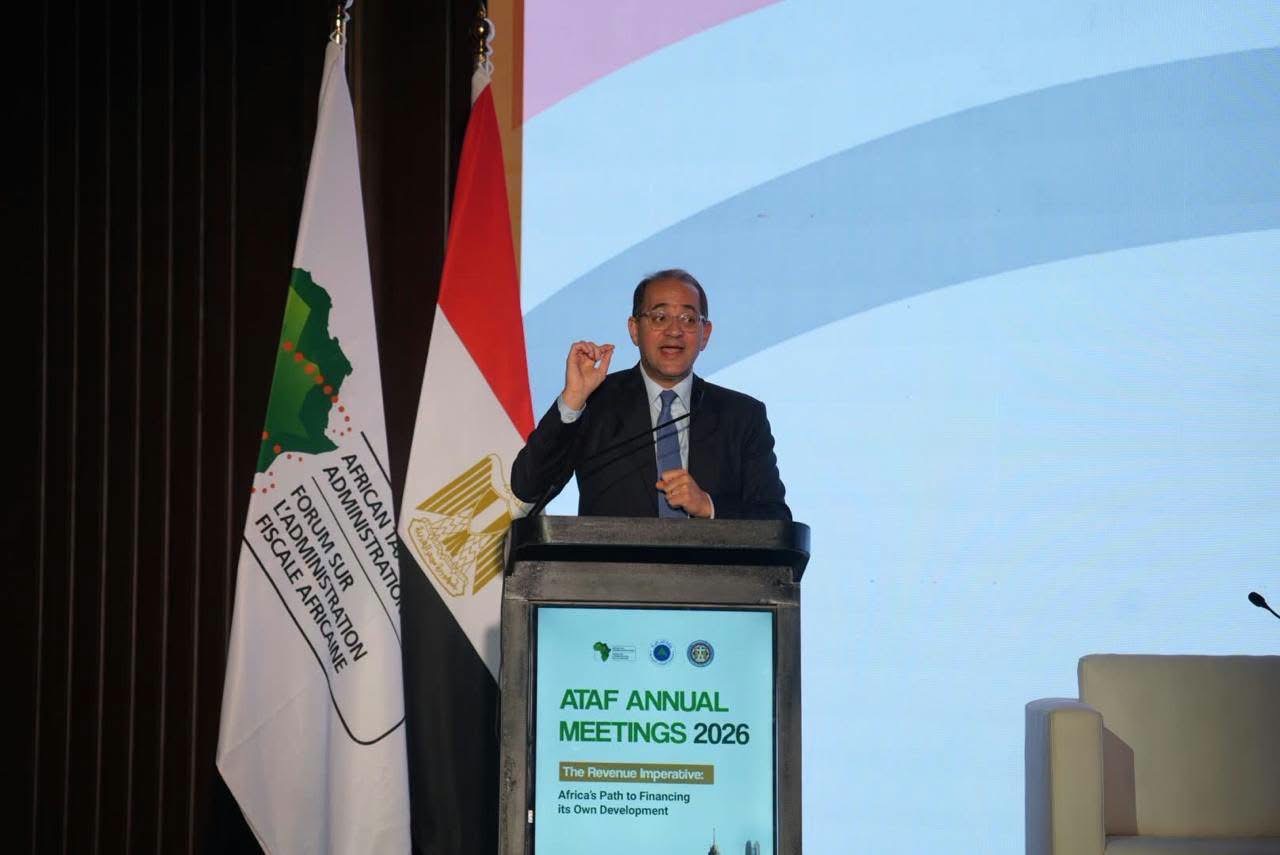
- The statements were made during the African Tax Administration Forum (ATAF) annual meetings in Cairo.
- Kouchouk recommended rolling out smart tax applications continent-wide.
A Call for Continental Tax Unity
He emphasized that a unified approach, coupled with the strategic deployment of smart technological applications, is indispensable for strengthening domestic revenue generation.
Egyptian Finance Minister Ahmed Kouchouk recently underscored the critical need for African tax administrations to forge closer ties and embrace advanced technological solutions. His remarks were delivered during the annual meetings of the African Tax Administration Forum (ATAF), a significant gathering for tax policy discussions on the continent. The high-profile event, which brought together key stakeholders, was hosted in Cairo, providing a prominent platform for Kouchouk's address.
During his intervention, Minister Kouchouk articulated a clear vision for the future of taxation across Africa. He emphasized that a unified approach, coupled with the strategic deployment of smart technological applications, is indispensable for strengthening domestic revenue generation. This dual strategy, he argued, would also equip African nations to more effectively navigate and respond to the complex array of international economic challenges currently impacting the global financial landscape.
Strategic Imperatives for African Tax Systems
The minister's address highlighted two primary objectives for this proposed continental collaboration and technological adoption. Firstly, the imperative to boost domestic resources is a recurring theme for many developing economies, and Kouchouk positioned technological integration as a key enabler for achieving this. By streamlining processes, enhancing compliance, and improving efficiency, smart tax applications can significantly increase the capacity of national tax bodies to collect revenue that is vital for public services and economic development.
Secondly, Kouchouk stressed the importance of these measures in confronting international economic challenges. In an increasingly interconnected world, issues such as cross-border tax evasion, illicit financial flows, and the taxation of the digital economy require coordinated responses. A unified front, supported by shared technological infrastructure, would allow African tax administrations to present a more robust and coherent stance against these global pressures, ensuring that the continent retains its fair share of tax revenue.
Advancing Digital Transformation in Tax Administration
A central recommendation put forth by Minister Kouchouk was the widespread implementation of smart tax applications across the entire African continent. This recommendation aligns with the broader global trend of digital transformation in public administration, aiming to modernize tax collection and enforcement mechanisms. Such applications can range from automated filing systems and digital payment platforms to advanced data analytics tools designed to detect non-compliance and optimize audit processes.
The minister also referenced Egypt's own commitment and investment in this area, signaling a practical understanding of the benefits and challenges involved in such a transition. This focus on African tax digital transformation suggests a forward-looking approach to tax policy in Africa, recognizing that technological innovation is not merely an option but a necessity for effective governance and sustainable economic growth in the 21st century. The discussions at the African Tax Administration Forum in Cairo are crucial for fostering such initiatives and shaping future Egypt tax policy Africa-wide.
Practical Implications
Compliance officers and legal counsel should monitor the African Tax Administration Forum's initiatives for potential harmonization of tax laws and increased digital enforcement, which could impact cross-border transactions and compliance requirements across the continent.
Source
How does this affect you?
Get an AI analysis of this article grounded in your jurisdictions, practice areas, and any policy documents you've uploaded to Wansom.
Wansom is AI and can make mistakes.