
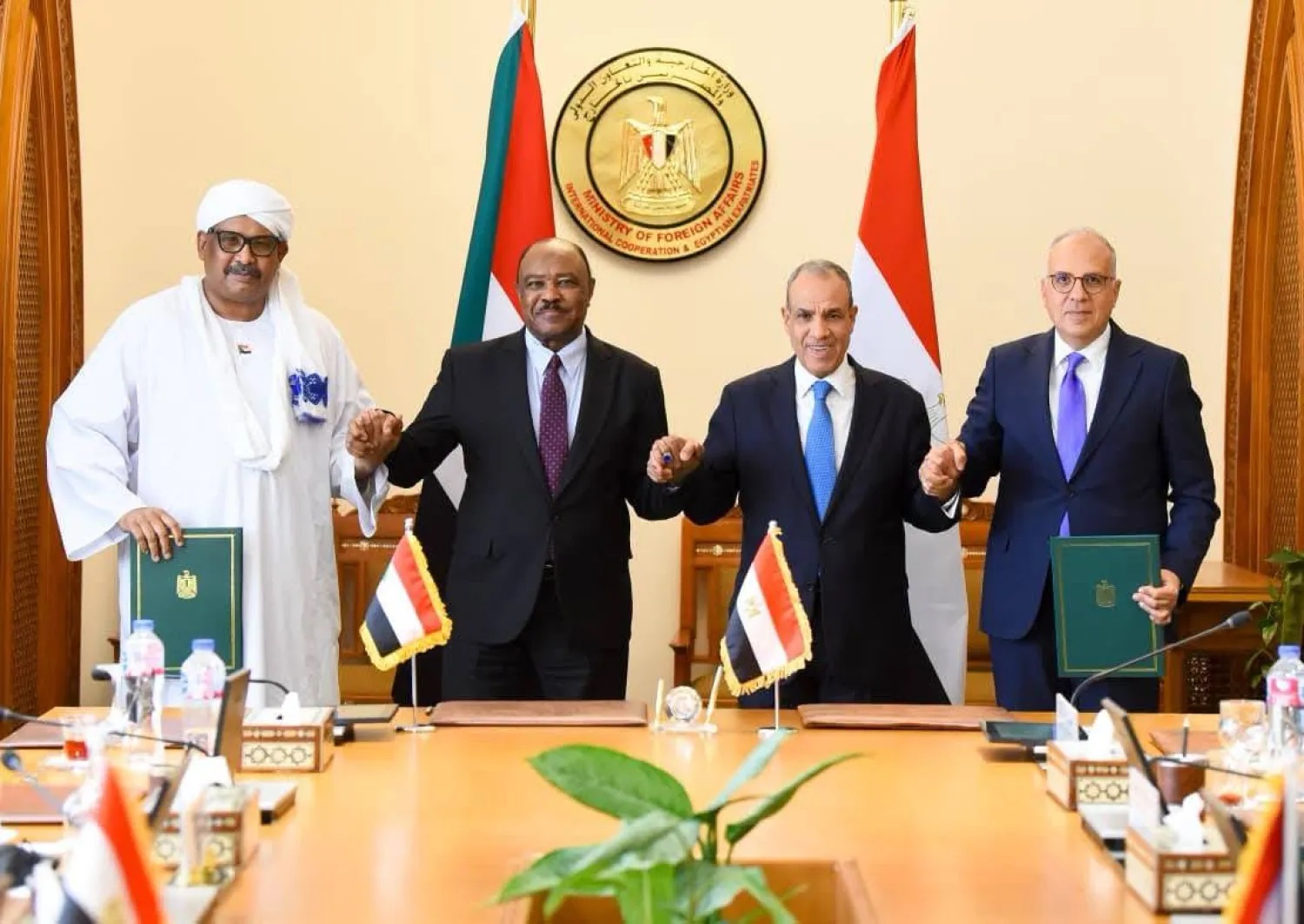
Egypt, Sudan Sign Water Security Agreement Against GERD Unilateral Actions
Summary
- Egypt and Sudan signed an agreement to jointly defend their water security in the Eastern Nile Basin.
- Both nations reject Ethiopia's unilateral construction and management of the Grand Ethiopian Renaissance Dam (GERD).
- They assert that the GERD was built in violation of international law and poses a persistent threat to downstream states.
- The agreement highlights grave consequences stemming from Ethiopia's unilateral actions regarding the GERD.
What Happened
Lawyers specializing in international law, transboundary water resources, and regional stability should meticulously analyze the specific terms of this Egypt Sudan water security agreement.
Egypt and Sudan have formally solidified their joint opposition to unilateral actions within the Eastern Nile Basin, culminating in the signing of a significant Egypt Sudan water security agreement. This accord underscores a unified front against Ethiopia's construction and ongoing management of the Grand Ethiopian Renaissance Dam (GERD), which both nations assert was undertaken without due regard for international legal principles. The agreement specifically highlights their shared conviction that the GERD's development represents a unilateral act, contravening established norms of international law governing transboundary water resources.
The two downstream Nile Basin states articulated their profound concerns regarding the GERD, characterizing its construction as carrying severe repercussions. They further emphasized that the dam, particularly under Ethiopia's exclusive control and operation, constitutes a continuous and serious threat to their respective national interests and water security. This bilateral agreement serves as a declaration of their coordinated stance, aiming to safeguard their water rights and regional stability in the face of perceived infringements.
Legal and Regional Context
The core of the dispute revolves around the assertion that the Grand Ethiopian Renaissance Dam was constructed in direct violation of international law. This legal contention forms the bedrock of the Egypt Sudan water security agreement, as both nations view Ethiopia's unilateral approach to the project as setting a dangerous precedent for the management of shared natural resources. The agreement implicitly calls for adherence to principles of equitable utilization and the obligation not to cause significant harm, which are fundamental tenets of international water law.
The grave consequences cited by Egypt and Sudan stem from the potential impacts on their vital water supplies from the Nile River, which are crucial for agriculture, industry, and domestic consumption. The persistent threat is exacerbated by Ethiopia's unilateral management of the GERD, raising fears about flow regulation, water availability, and the ecological balance of the downstream regions. This coordinated stance by the two primary downstream Nile Basin states signals a unified legal and diplomatic challenge to Ethiopia's actions, potentially influencing future negotiations or dispute resolution mechanisms concerning the Nile's waters.
Implications for International Water Law
Lawyers specializing in international law, transboundary water resources, and regional stability should meticulously analyze the specific terms of this Egypt Sudan water security agreement. The document represents more than a mere political statement; it signifies a coordinated legal and diplomatic stance against Ethiopia's unilateral actions on the GERD. This joint declaration could profoundly influence the trajectory of future negotiations among the Nile Basin states, potentially setting the stage for arbitration or the enforcement of existing international water treaties.
The agreement underscores the critical importance of collaborative frameworks for managing shared river systems, particularly in regions as vital as the Eastern Nile Basin. By explicitly rejecting unilateral actions and asserting violations of international law, Egypt and Sudan are laying groundwork that could be pivotal in any future legal challenges or diplomatic efforts to secure their water rights. This unified position serves as a strong signal to the international community regarding the seriousness of the dispute and the need for a comprehensive, legally binding agreement on the filling and operation of the Grand Ethiopian Renaissance Dam.
Practical Implications
Lawyers advising on international law, transboundary water resources, or regional stability should analyze the specific terms of this Egypt-Sudan agreement. It signifies a coordinated legal and diplomatic stance against Ethiopia's unilateral actions on the GERD, potentially influencing future negotiations, arbitration, or the enforcement of international water treaties in the Nile Basin.
Source
How does this affect you?
Get an AI analysis of this article grounded in your jurisdictions, practice areas, and any policy documents you've uploaded to Wansom.
Wansom is AI and can make mistakes.