
Egypt: Faulty Electricity Meter Replacement Mandated Within 72 Hours
Summary
- Egypt's Electricity Minister Mahmoud Esmat has mandated the replacement of faulty electricity meters within 72 hours.
- All electricity meter readings must now be photographed, with unphotographed readings deemed invalid for billing.
- Unified installment plans for outstanding electricity bills will be introduced, based on citizen preferences.
- Detailed bill breakdowns must be audited to align with specific consumption months, and meter assessment prices will be standardized.
- Electricity distribution companies are required to provide weekly reports and enhance monitoring of billing systems and complaint resolution.
New Directives for Meter Replacement and Billing
These comprehensive directives aim to significantly enhance consumer trust by ensuring greater transparency and accountability across Egypt's electricity sector.
Egypt's Electricity Minister, Mahmoud Esmat, recently announced a series of significant reforms aimed at improving service delivery and billing accuracy across the nation. A cornerstone of these new `Mahmoud Esmat electricity directives` is the mandate for `Egypt faulty electricity meter replacement 72 hours` from the time a complaint is registered. This swift action is complemented by a directive to standardize assessment prices for meters across all `Egyptian electricity distribution companies`, ensuring equitable treatment for consumers nationwide.
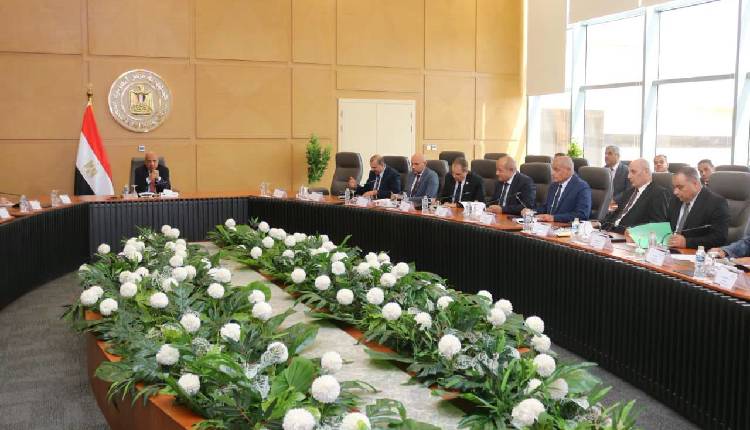
Further enhancing consumer protection, the minister also ordered that emergency meters be readily available to on-duty teams. This provision ensures immediate installation can occur following reports of faulty meters received through the established complaints system, directly supporting the 72-hour replacement target. These measures were unveiled during a crucial meeting with leaders of electricity distribution companies and their commercial sectors, convened to review existing billing systems, auditing procedures, and the mechanisms for handling citizen complaints.
Strengthening Billing Integrity and Consumer Options
A key focus of the new `Egypt electricity billing reforms` is to ensure that consumers are billed accurately based on their actual consumption. To achieve this, Minister Esmat explicitly stated that all meter readings must be accompanied by photographic evidence. Readings lacking this photographic proof will be deemed invalid for billing purposes, a critical step towards eliminating estimated or inaccurate charges. This directive on `Electricity meter reading photography Egypt` is designed to instill greater confidence in the billing process.
In addition to photographic verification, the reforms introduce unified `Electricity bill instalment plans Egypt` for outstanding balances. These plans are designed to be flexible, accommodating citizens' preferences to ease the financial burden. Furthermore, detailed bill breakdowns must now be meticulously audited to correspond precisely with the relevant consumption months, providing consumers with clear and transparent information regarding their charges.
Operational Enhancements and Oversight Mandates
Beyond direct consumer-facing changes, the minister's directives also encompass a broader operational overhaul for `Egyptian electricity distribution companies`. The meeting where these reforms were announced also addressed strategies for enhancing the overall performance of these companies, ensuring robust supply during emergencies, peak demand periods, and heatwaves, and actively working to reduce the number, duration, and frequency of power outages across the country.
To ensure rigorous implementation and continuous improvement, Minister Esmat mandated several oversight mechanisms. These include the submission of weekly reports, the establishment of stronger monitoring and inspection protocols for billing systems, and the deployment of additional technical support teams. Furthermore, a continuous follow-up system for all complaints and grievances has been ordered, underscoring a commitment to accountability and responsiveness within the electricity sector.
Fostering Transparency and Accountability
The comprehensive set of directives issued by the Electricity Minister signifies a concerted effort to enhance transparency and accountability within Egypt's electricity sector. By mandating swift faulty meter replacement, standardizing pricing, and enforcing photographic evidence for meter readings, the government aims to significantly reduce consumer disputes and build trust. These measures compel `Egyptian electricity distribution companies` to update their operational procedures and complaint handling protocols, aligning them with the new standards.
The emphasis on audited, detailed bill breakdowns and flexible installment plans further supports consumer rights, while the increased monitoring and reporting requirements aim to ensure compliance and improve service delivery. These reforms are critical for mitigating potential consumer grievances and regulatory scrutiny, ultimately working towards a more reliable and consumer-centric electricity supply system.
Practical Implications
Compliance officers at Egyptian electricity distribution companies must update operational procedures and complaint handling protocols to align with the new 72-hour meter replacement directive and standardized billing practices, mitigating potential consumer disputes and regulatory scrutiny. Lawyers advising consumers can leverage these directives to advocate for clients experiencing issues with faulty meters or inaccurate billing.
Source
How does this affect you?
Get an AI analysis of this article grounded in your jurisdictions, practice areas, and any policy documents you've uploaded to Wansom.
Finish Reading the Full Story and the Expert Analysis.
Wansom is AI and can make mistakes.