
Egypt Cabinet Orders Water-Saving Devices in Government Buildings
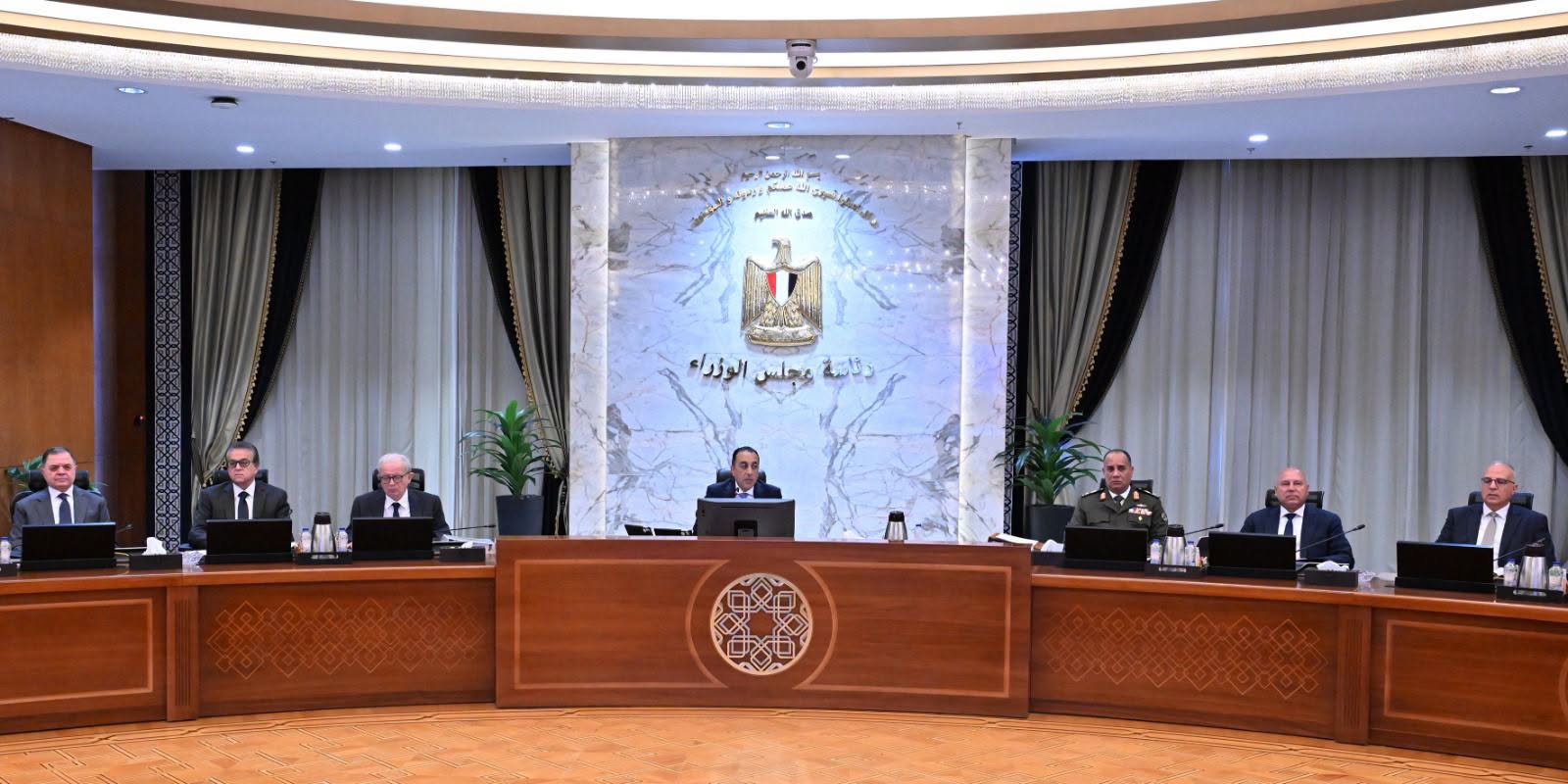
On Wednesday, the Egyptian Cabinet ordered the installation of water-saving devices in all government buildings across Egypt, making ministers and governors directly responsible for the implementation of these measures to curb public sector water consumption.
This directive signifies a concrete governmental commitment to water conservation, reflecting Egypt's broader national strategy to address severe water scarcity, which is a critical national security issue. By mandating these installations and assigning direct accountability to high-ranking officials, the government is establishing a clear precedent for public sector entities to adopt sustainable practices. This initiative could potentially influence future regulations impacting the private sector and aims to foster greater public awareness and behavioral change regarding responsible water usage across the nation.
While the excerpt does not cite a specific law, this Cabinet order likely falls under the executive authority derived from the Egyptian Constitution, particularly articles related to environmental protection (e.g., Article 47) and the protection of water resources (e.g., Article 44). It also aligns with existing environmental protection legislation, such as Law No. 4 of 1994 for the Protection of the Environment, and the more recent Water Resources and Irrigation Law No. 147 of 2021, which aims to rationalize water use and protect water resources. The Cabinet's directive functions as a binding administrative order for all government ministries and governorates, illustrating a top-down approach to policy implementation. The Ministry of Water Resources and Irrigation and the Ministry of Environment are key governmental bodies that would typically shape and oversee such policies.
Key parties involved in this initiative include the Egyptian Cabinet, which issued the order, and all ministers and governors who are now directly responsible for its implementation within their respective jurisdictions. This also extends to all government ministries and public sector entities that must comply with the directive, as well as potential suppliers and installers of water-saving technologies. While the focus is currently on the public sector, the general public and private sector are indirectly affected as this initiative signals a broader national focus on water conservation. Attorneys advising businesses, particularly those in construction, facilities management, or water technology, should closely monitor the rollout of these measures for potential opportunities or future regulatory expansions. This public sector mandate could foreshadow similar requirements or incentives for private enterprises to adopt water-saving technologies. Legal professionals should remain informed about the evolving regulatory landscape concerning environmental protection and resource management in Egypt, as the long-term impact and potential private sector implications of this directive are yet to be fully observed.
How does this affect you?
Get an AI analysis of this article grounded in your jurisdictions, practice areas, and any policy documents you've uploaded to Wansom.
Finish Reading the Full Story and the Expert Analysis.
Get the latest legal & regulatory intelligence in Egypt
Wansom is AI and can make mistakes.