
ECOWAS Court: Togo 2024 Constitutional Reform Unconstitutional
Summary
- The ECOWAS Court of Justice has formally declared Togo's 2024 constitutional reforms to be unconstitutional.
- Professor Komi Wolou interpreted this ruling as akin to a "coup d'état" and highlighted the Court's reliance on the African Charter on Democracy, Elections and Governance (CADEG).
- The Court indicated that applicable sanctions for such unconstitutional changes should be imposed by the African Union, with efforts now underway to ensure their application.
- Professor Wolou emphasized that institutional measures alone may be insufficient, calling for significant political and popular mobilization by Togolese citizens.
- He urged Togolese citizens to reject governance under a constitution that contradicts their chosen foundational principles, viewing the Court's decision as a catalyst for a broader political struggle.
The ECOWAS Court's Landmark Ruling
He asserted that it is incumbent upon the citizens themselves to reject governance under a constitution that fundamentally contradicts the foundational principles they have chosen for their nation.
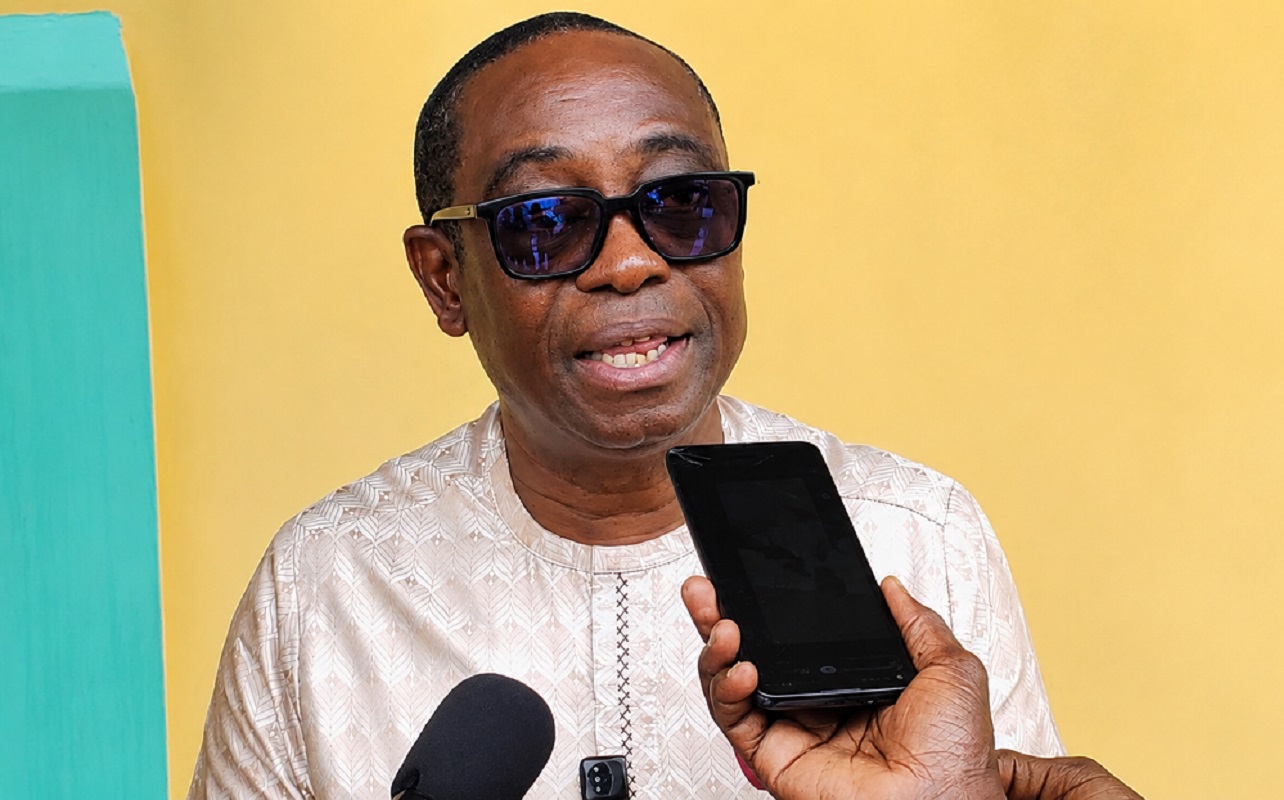
The ECOWAS Court of Justice has issued a significant ruling concerning Togo's 2024 constitutional reform, unequivocally declaring the modifications enacted by the Togolese government to be unconstitutional. This pivotal decision was the central topic of a recent conference-debate held in Lomé, organized by the Cadre National de Concertation pour le Changement (CNCC). During this important gathering, Professor Komi Wolou, a distinguished academic specializing in private law and criminal sciences at the University of Lomé, provided a forthright and detailed analysis of the Court's judgment, offering crucial insights into its legal and political ramifications.
Professor Wolou underscored that the Cour de justice de la CEDEAO Togo was explicit and formal in its finding: the constitutional changes implemented by the Togolese state in 2024 fundamentally contravene established legal principles. He articulated the profound political implications of this judicial determination in no uncertain terms, likening the government's actions to a "coup d'état" in common parlance. This strong characterization highlights the perceived severity of the constitutional changes and their potential to undermine democratic governance and the rule of law within Togo. The ruling on the ECOWAS Court Togo 2024 constitutional reform thus sets a critical precedent for constitutional adherence in the region.
Legal Framework and Sanction Mechanisms
Placing the ECOWAS Court's pronouncement within a broader continental legal framework, Professor Wolou highlighted the Court's explicit reliance on the African Charter on Democracy, Elections and Governance (CADEG). This crucial regional instrument provides a clear directive: in instances of unconstitutional change, the normal constitutional order must be restored, and those responsible for such alterations should be removed from power. The Court's specific reference to the CADEG therefore provides a robust legal pathway for addressing the current situation in Togo and reinforces the regional commitment to democratic principles.
Despite the absence of direct sanctions issued by the ECOWAS Court itself, Professor Wolou firmly rejected any argument that the ruling would be without practical consequence. He clarified that the Court's judgment explicitly designates the African Union as the appropriate body to impose the necessary sanctions in such matters, as mandated by the CADEG. Consequently, efforts are actively underway to ensure these prescribed sanctions are indeed applied, aligning with the clear directives outlined in the Charter. This aspect is particularly relevant for assessing Togo legal stability 2024, as potential African Union actions could significantly impact the country's international standing and internal political landscape, signaling serious repercussions for the unconstitutional Togo constitutional changes.
The Imperative of Popular Mobilization
Beyond the strict legal reasoning and the potential for regional sanctions, Professor Wolou emphasized the critical necessity of political and popular mobilization within Togo. He cautioned that relying solely on institutional channels, whether domestic or international, might prove insufficient to fully resolve the constitutional impasse. He argued that even if the international community were to impose sanctions, the current authorities might still choose to cling to power, underscoring the inherent limitations of external pressure without robust internal resolve and citizen engagement.
In light of this, Professor Wolou issued a direct and impassioned appeal to the Togolese populace. He asserted that it is incumbent upon the citizens themselves to reject governance under a constitution that fundamentally contradicts the foundational principles they have chosen for their nation. He concluded by stressing the urgent need for collective awareness and active engagement from Togolese citizens to bring about the necessary changes. For Pr Wolou Komi, the Court's decision is not an ultimate resolution but rather a crucial catalyst, marking the beginning of a broader political struggle that must be led by the people themselves, extending beyond the confines of legal texts and community jurisdictions.
Practical Implications
The ECOWAS Court's finding that Togo's 2024 constitutional reforms are unconstitutional sets a significant precedent for constitutional law in the region. Lawyers and compliance officers should monitor potential African Union sanctions against Togo, as indicated by the CADEG, and assess the legal stability and validity of the current Togolese constitutional framework for clients operating or investing in the country.
Source
How does this affect you?
Get an AI analysis of this article grounded in your jurisdictions, practice areas, and any policy documents you've uploaded to Wansom.
Finish Reading the Full Story and the Expert Analysis.
Wansom is AI and can make mistakes.