
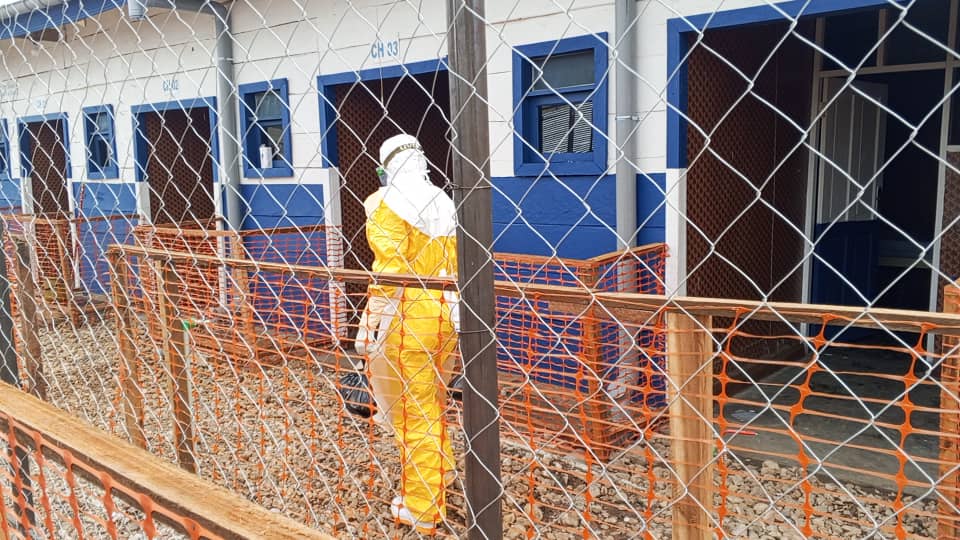
Nia-Nia Ebola Response Workers Strike: DRC Operations Halted Over Unpaid Bonuses
Summary
- Ebola response field workers in Nia-Nia, Ituri, began a strike on Friday, October 23.
- The workers are demanding payment for nearly three months of outstanding bonus arrears.
- All Ebola response activities have been suspended in the Nia-Nia health zone due to the strike.
- The complete work stoppage will continue until the workers' financial situation is regularized.
What Happened
The complete suspension of Ebola response activities in the Nia-Nia health zone carries severe implications for public health and disease control.
Field personnel actively engaged in the critical Ebola response efforts within the Nia-Nia health zone, located in the Mambasa territory of Ituri, initiated a complete work stoppage on Friday, October 23. This action, characterized as a 'dry strike,' signifies a full cessation of all their operational duties related to combating the deadly virus.
The striking workers have explicitly stated that all their activities will remain suspended indefinitely. This suspension is set to continue until their financial grievances are fully addressed and their payment situation is regularized by the responsible authorities. The immediate impact is a halt to essential public health interventions in a region vulnerable to Ebola outbreaks.
Context of the Dispute
The primary catalyst for this significant labor dispute, which has led to the DRC Ebola health worker strike, is the non-payment of financial incentives. Specifically, the field workers are demanding the immediate settlement of nearly three months' worth of bonus arrears that are owed to them for their hazardous and demanding work on the front lines of the Ebola response.
This issue of Ituri Mambasa unpaid bonuses highlights a recurring challenge in humanitarian and public health operations, where contractual obligations regarding compensation are not met. The health workers payment arrears DRC situation underscores a critical breakdown in the financial management and support systems intended to sustain these vital public health initiatives, leading directly to the current Ebola response labor dispute Congo.
Implications for Public Health
The complete suspension of Ebola response activities in the Nia-Nia health zone carries severe implications for public health and disease control. Ebola is a highly contagious and often fatal disease, requiring swift and continuous intervention to prevent its spread and manage cases. The absence of field workers means that crucial tasks such as contact tracing, surveillance, community engagement, safe burials, and patient care are no longer being performed.
Such an interruption can rapidly undermine containment efforts, potentially leading to a resurgence or wider spread of the virus within the Mambasa territory and beyond. The effectiveness of any public health emergency response relies heavily on the consistent and motivated presence of its personnel. When these essential workers are forced to strike over unpaid wages, the entire community's health security is jeopardized, demonstrating the profound impact of this labor dispute on the ongoing fight against Ebola in the Democratic Republic of Congo.
Practical Implications
Lawyers advising government bodies, NGOs, or international organizations involved in public health initiatives in the DRC should note this incident as a critical example of labor disputes arising from unpaid contractual obligations, which can severely disrupt essential services and pose significant compliance and operational risks. It highlights the need for robust contractual frameworks and timely payment mechanisms to prevent such disruptions.
Source
How does this affect you?
Get an AI analysis of this article grounded in your jurisdictions, practice areas, and any policy documents you've uploaded to Wansom.
Finish Reading the Full Story and the Expert Analysis.
Get the latest legal & regulatory intelligence in DR Congo
Wansom is AI and can make mistakes.