
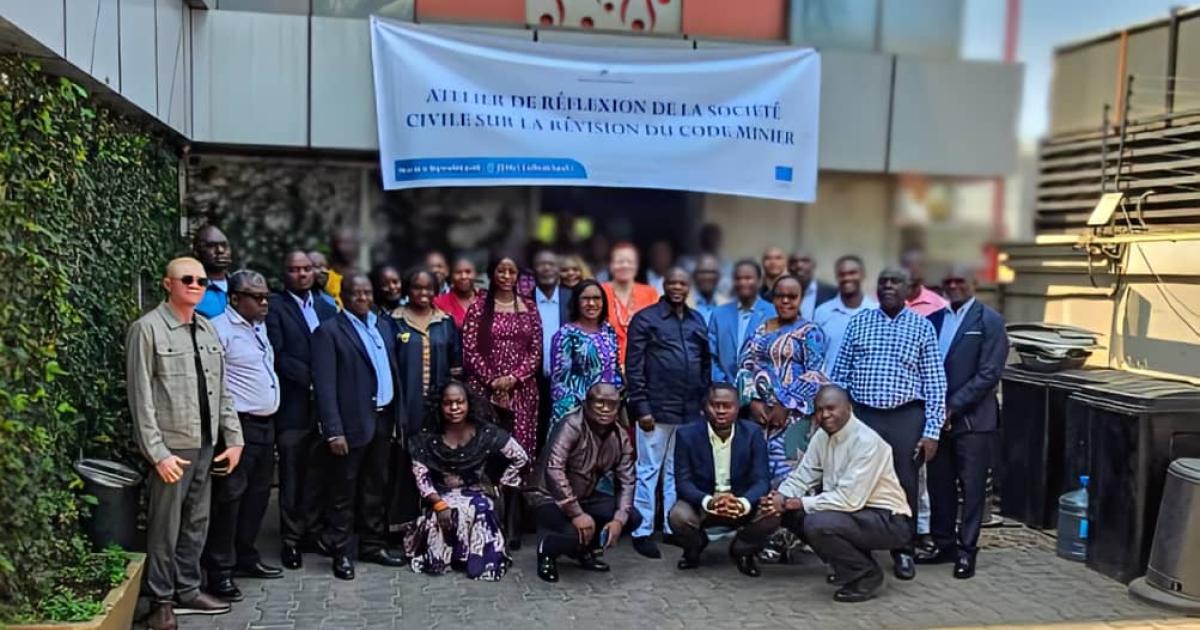
DRC Civil Society Demands End to Mining Tax Exemptions in September 2026 Review
Congolese civil society organizations and The Carter Center issued a formal declaration on September 11, 2026, urging the Democratic Republic of the Congo to protect the fiscal gains of the 2018 Mining Code.
The coalition demanded an immediate end to discretionary tax exemptions and special fiscal regimes granted under bilateral state agreements. Civil society leaders warned that carve-outs negotiated outside the national mining code siphon critical revenue away from the national treasury and distort fair commercial competition.
The Reform Timeline and Consultation Milestones
The position statement follows a two-day technical review in Kinshasa assessing the implementation gaps of Law No. 18/001. The timing establishes critical milestones for extractive operators and policymakers:
March 2018 (The Fiscal Baseline): The DRC enacted Law No. 18/001, raising royalty rates for strategic minerals like cobalt to 10% and introducing a 50% tax on super profits.
September 10–11, 2026 (Civil Society Action): Extractive advocacy networks convened to formulate unified recommendations before parliamentary debate on upcoming mining revisions begins.
Q4 2026 (Anticipated Legislative Review): The National Assembly will evaluate proposed amendments to the mining legal framework, centering on fiscal consolidation and supply-chain governance.
Eliminating Special Exemptions and Consolidating 60 Taxes
Advocacy groups specifically criticized tailor-made tax exemptions granted in bilateral conventions, including the Sino-Congolese Sicomines partnership and recent strategic mineral agreements signed with the United States.
Speaking for the coalition, policy analyst Fabien Mayani stated that the DRC requires a single fiscal regime that binds all extraction projects equally. The coalition also called for urgent tax rationalisation, noting that operators currently navigate roughly 60 distinct taxes, royalties, and administrative levies across competing government collection agencies.
Protecting Local Content and Subcontracting Mandates
Beyond tax consolidation, the coalition demanded uncompromised enforcement of domestic participation rules across critical mineral corridors.
The 2018 Mining Code requires mining joint ventures to allocate equity to Congolese nationals and restricts commercial subcontracting exclusively to domestic firms. Civil society leaders cautioned that discretionary exemptions often allow foreign concession holders to bypass local procurement quotas.
Multinational mining houses and compliance directors must brace for heightened parliamentary scrutiny on tax holidays and joint-venture structures. As legislative debates accelerate, companies operating outside the standard 2018 fiscal regime face mounting pressure to renegotiate stabilization terms or lose preferential tax status.
Source
Source: Original reporting via PMaki
How does this affect you?
Get an AI analysis of this article grounded in your jurisdictions, practice areas, and any policy documents you've uploaded to Wansom.
Finish Reading the Full Story and the Expert Analysis.
Wansom is AI and can make mistakes.