
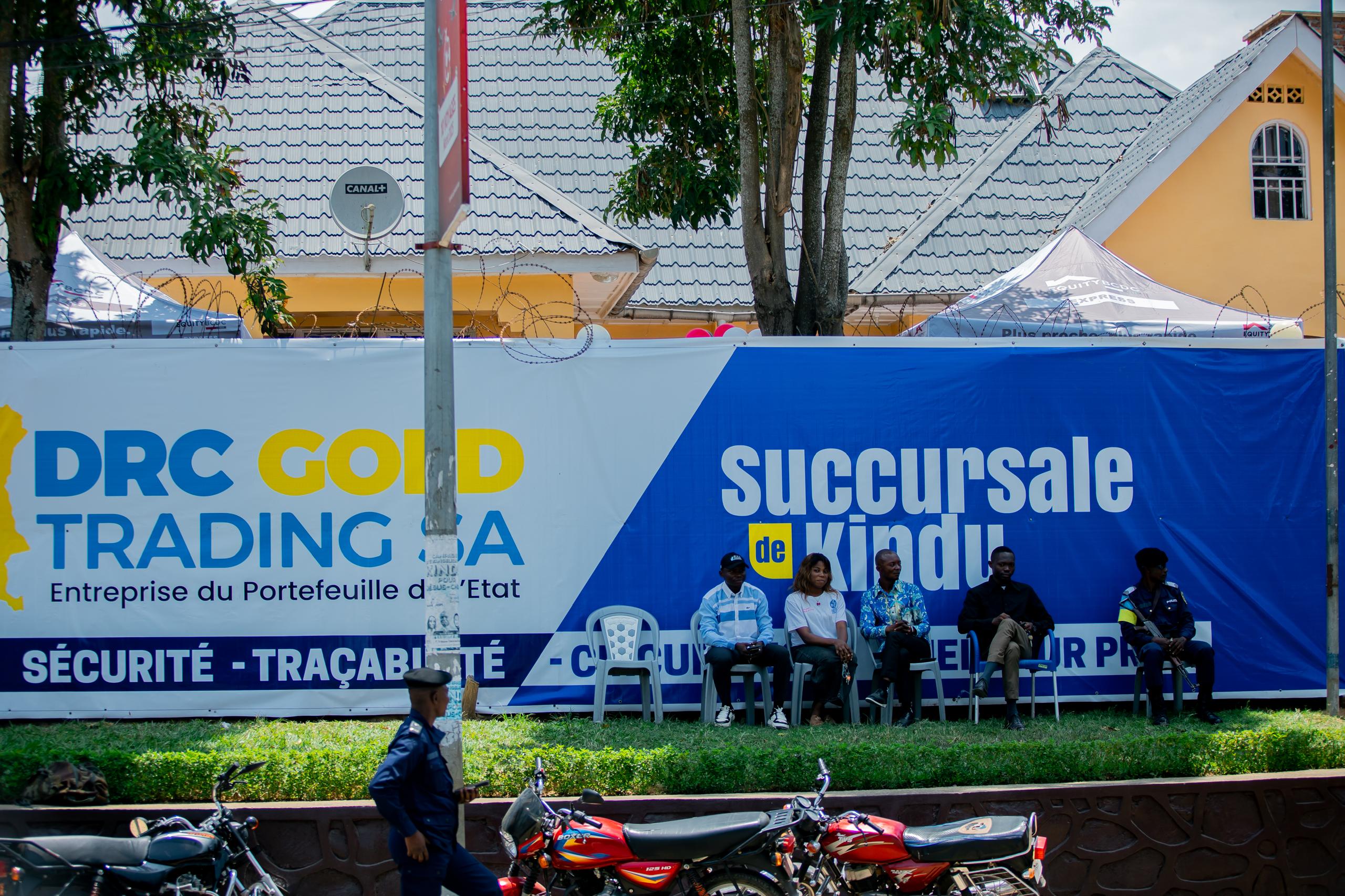
DRC GOLD: Proposes Tax Incentives for Artisanal Gold in DRC
Summary
- DRC GOLD TRADING SA is advocating for tax incentives to boost legal artisanal gold trade in the Democratic Republic of Congo.
- The company's Director General met with the DGI to propose easing Impôt sur les bénéfices et profits (IBP) and Taxe sur la valeur ajoutée (TVA) to attract more traders to official channels.
- Approximately 75 tons of gold, valued at $10 billion, are estimated to leave Congo illicitly each year, bypassing official revenues and traceability.
- DRC GOLD believes current tax constraints deter miners from formal markets, contributing to risks like armed group financing and money laundering.
- The initiative aligns with the Congolese government's goal to control artisanal gold marketing, reduce smuggling, and increase national economic benefits.
What Happened
The overarching objective is to cultivate an environment where selling gold through official channels is not only more secure but also economically more attractive for all stakeholders, including individual operators, cooperatives, and commercial traders.
DRC GOLD TRADING SA is actively campaigning for a more appealing tax framework to bolster the legitimate trade of artisanal gold within the Democratic Republic of Congo. This initiative comes as substantial quantities of gold continue to exit the country through illicit channels each year. Joseph Kazibaziba, the Director General of DRC GOLD, engaged in discussions with the Director General of the Direction générale des impôts (DGI) on Friday, October 9, to present a series of recommendations. These proposals are designed to incentivize both gold traders and mining cooperatives to utilize official commercial routes.
The core of these discussions centered on implementing specific tax incentive measures tailored for the traders and cooperatives that supply DRC GOLD. The state-owned enterprise argues that combating fraud and smuggling effectively requires more than just regulatory oversight and punitive actions. Instead, it necessitates establishing mechanisms that render the official gold trading circuit more competitive and economically beneficial for participants. This strategic approach aims to redirect the flow of artisanal gold from informal, often illegal, networks into regulated and transparent supply chains.
The Scale of Illicit Trade and Fiscal Obstacles
For nearly four years, DRC GOLD has dedicated efforts to establishing a legal, responsible, traceable, and conflict-free supply chain for artisanal gold. Joseph Kazibaziba reports that this work has yielded positive results, successfully persuading hundreds of mining cooperatives and individual traders to abandon illicit practices and join the formal commercial circuit for artisanal gold. However, the challenge remains significant, as studies cited by DRC GOLD indicate that approximately 75 tons of gold are smuggled out of Congolese territory annually.
This substantial illicit trade, which often fuels the economies of neighboring nations such as Rwanda and Uganda, represents an estimated $10 billion USD that bypasses official financial systems, traceability protocols, and public revenue collection. Beyond the direct financial losses to the state, these uncontrolled gold flows pose considerable risks, including the potential financing of armed groups and facilitating money laundering activities. Despite the progress made in integrating artisanal actors into the formal market, DRC GOLD identifies specific fiscal impediments that continue to deter operators. Many traders still opt to sell their gold abroad rather than engaging with local, official channels, highlighting the need for systemic changes in Congo artisanal gold taxation.
Proposed Tax Reforms and National Vision
The advocacy efforts presented to the DGI primarily address two critical tax areas: the Impôt sur les bénéfices et profits (IBP), or corporate income tax, and the Taxe sur la valeur ajoutée (TVA), or value-added tax. DRC GOLD posits that either alleviating or adapting these existing tax mechanisms could significantly encourage a greater number of actors to participate in the legal gold trading circuit. The overarching objective is to cultivate an environment where selling gold through official channels is not only more secure but also economically more attractive for all stakeholders, including individual operators, cooperatives, and commercial traders. This aligns with broader goals for responsible gold sourcing Congo.
This push for DRC DGI tax proposals coincides with DRC GOLD's ongoing expansion across the nation's primary gold-rich regions. The company currently operates in nine provinces and maintains approximately ten branches, covering key areas such as Grande Orientale, Grand Nord, Grand Katanga, and the Kasaï region. While establishing new purchasing counters is a vital step, company officials emphasize that its effectiveness hinges on the state's capacity to create an overall conducive environment for integrating producers and traders into the formal market. This initiative is firmly rooted in the Congolese government's strategic vision to enhance control over artisanal gold marketing, drastically reduce smuggling operations, and ultimately boost the economic benefits flowing back to the country, thereby strengthening DRC gold anti-money laundering efforts and ensuring greater transparency in the gold sector. The ultimate challenge, as articulated by Joseph Kazibaziba, is to position the legal circuit as the most advantageous option for every participant in the Congolese gold supply chain.
Practical Implications
Lawyers and compliance officers should monitor potential legislative changes regarding IBP and TVA for artisanal gold in DRC, as these could impact tax liabilities and compliance requirements for companies involved in the gold supply chain, particularly concerning anti-fraud and AML efforts.
Source
How does this affect you?
Get an AI analysis of this article grounded in your jurisdictions, practice areas, and any policy documents you've uploaded to Wansom.
Finish Reading the Full Story and the Expert Analysis.
Get the latest legal & regulatory intelligence in DR Congo
Wansom is AI and can make mistakes.