
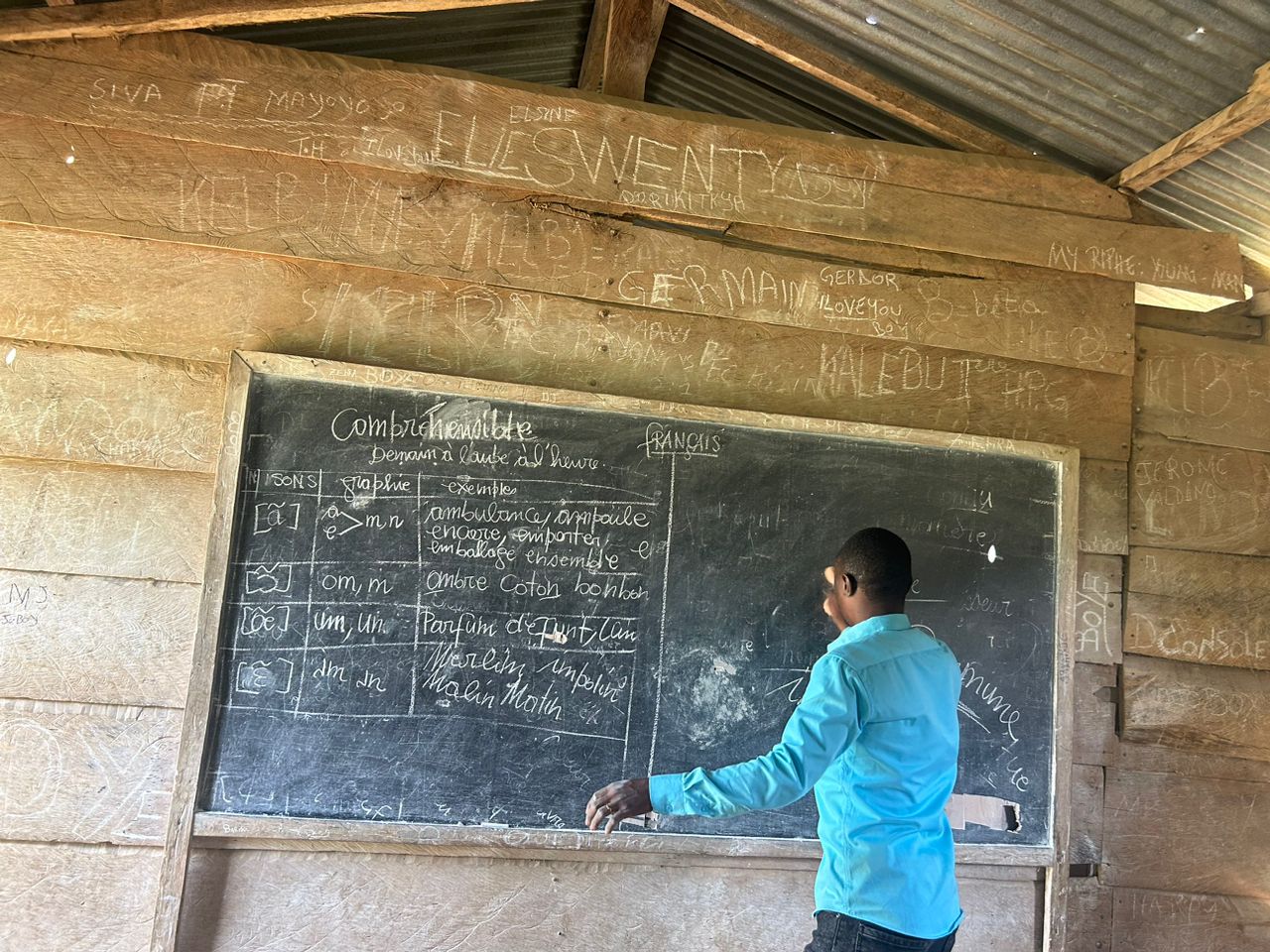
DRC Équateur: Teachers Strike Suspended, Classes Resume
Summary
- Teachers in DRC's Équateur 1 province suspended their strike and resumed classes on Monday, September 14.
- The decision was made by the Dynamique des syndicats des enseignants on September 12 in Mbandaka, after observing many schools operating normally.
- The strike, which began September 1, was triggered by police preventing a planned march.
- Key demands include salary coverage for unpaid teachers, a basic salary increase to $500 USD, public service matriculation numbers, and elimination of salary zones.
- Union delegates will now pursue national negotiations in Kinshasa, planning sit-ins, marches, and meetings with the Ministry of National Education.
What Happened: Équateur Teachers Suspend Strike
This temporary suspension of the Équateur teachers strike suspended DRC-wide indicates a critical juncture in the public sector labour dispute.
Teachers across the Équateur 1 educational province in the Democratic Republic of Congo have temporarily suspended their industrial action, with classes resuming on Monday, September 14. This decision, which effectively ends the recent Équateur teachers strike suspended DRC-wide, was reached on Saturday, September 12, following a general assembly of the Dynamique des syndicats des enseignants in Mbandaka.
The teachers' unions cited their observation that a significant number of public schools had continued to operate normally since the strike commenced on September 1, with most educators reporting for duty. This widespread attendance prompted the collective decision to halt the provincial strike. François Mukadi Kashama, serving as the spokesperson for the Dynamique, which represents four teachers' unions, issued a clear directive for all teachers throughout Équateur province to return to their classrooms on the specified Monday.
This development marks a temporary resolution to a significant DRC public sector labour dispute, allowing students to return to their studies while broader negotiations continue. The immediate resumption of classes provides a crucial pause in the educational disruption that had affected the region.
Context of the Dispute: Unresolved Demands
The initial strike, which began on September 1, was triggered after a planned teachers' march in Mbandaka on the same day was prevented by police intervention. This incident escalated existing grievances into a full-scale industrial action, highlighting deep-seated issues within the education sector.
At the heart of the DRC Équateur education strike are several key demands from the teaching community. These include calls for the government to assume responsibility for the salaries of teachers who are currently neither mechanized nor paid, ensuring they receive due compensation. Furthermore, educators are pushing for a substantial increase in the basic monthly salary, aiming for a minimum of $500 US dollars.
Additional demands underscore systemic issues within the public service, such as the assignment of official public service matriculation numbers to all teachers. The unions also seek to eliminate the existing salary disparities, known as 'salary zones,' which differentiate pay between teachers in major urban centers and those in more rural territories and sectors. Finally, they are advocating for a modification to the method by which teachers are paid, proposing a system that accounts for their specific location of assignment.
Looking Ahead: National Dialogue and Broader Implications
With the provincial strike suspended, the focus of the Dynamique syndicats enseignants Équateur has now shifted to national-level discussions. Union delegates are tasked with continuing negotiations in Kinshasa, the nation's capital, to address the comprehensive list of demands. This move signifies an escalation of the dispute to a broader governmental platform, seeking long-term solutions.
Future actions planned by the unions to press their case include organizing sit-ins, protest marches, and direct meetings with representatives from the Ministry of National Education and New Citizenship. These strategies aim to maintain pressure on the government to respond to the teachers' grievances regarding salary, employment conditions, and administrative reforms. The ongoing dialogue underscores the persistent challenges in the DRC's public education system.
This temporary suspension of the Équateur teachers strike suspended DRC-wide indicates a critical juncture in the public sector labour dispute. While Congo teachers resume classes, the underlying issues remain unresolved, pointing to the need for sustained engagement between the government and teacher unions to prevent future disruptions and ensure stability in the education sector.
Practical Implications
This development indicates a temporary resolution to a significant public sector labour dispute in the DRC's Équateur province. Lawyers advising public institutions or entities involved in education should monitor the ongoing national negotiations for potential policy changes regarding public sector salaries, mechanization, and employment conditions, which could impact future labour stability and compliance requirements.
Source
How does this affect you?
Get an AI analysis of this article grounded in your jurisdictions, practice areas, and any policy documents you've uploaded to Wansom.
Finish Reading the Full Story and the Expert Analysis.
Get the latest legal & regulatory intelligence in DR Congo
Wansom is AI and can make mistakes.