
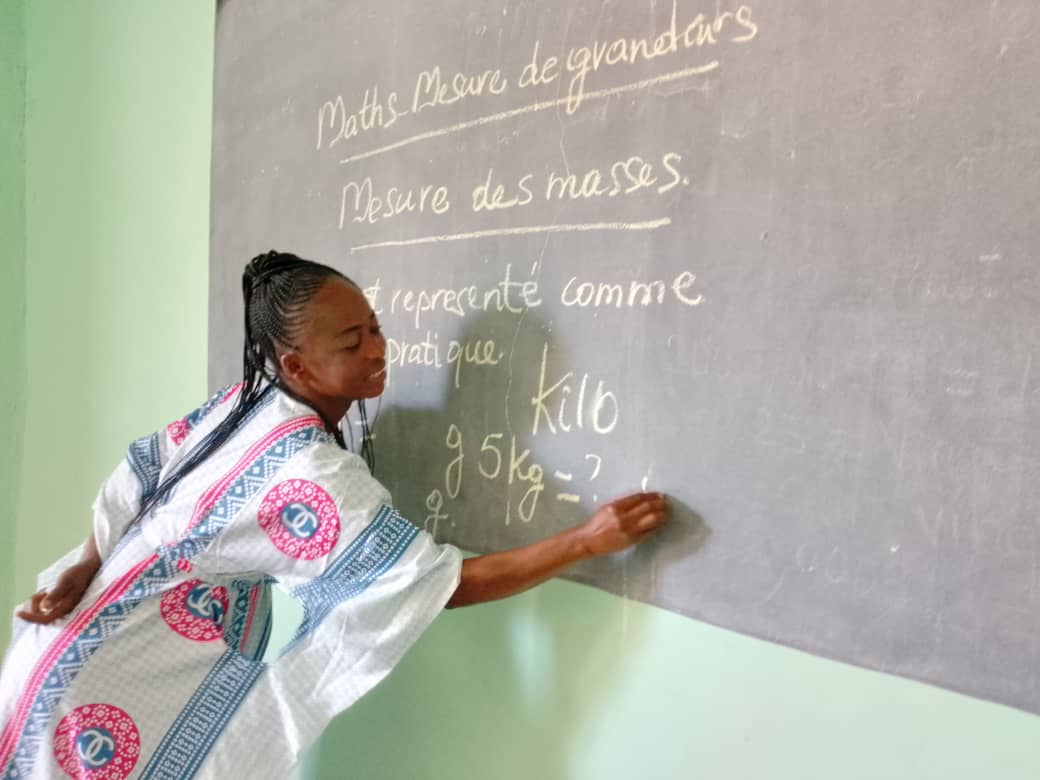
La Synergie des syndicats des enseignants de la RDC suspend sa grève mais dénonce la « démotivation » du personnel
Summary
- The Synergie des syndicats des enseignants de la RDC suspended its strike on September 12 in Kinshasa following a general assembly.
- The union called for teachers to resume classes but simultaneously denounced the 'demotivation' of staff and stated many demands remain unmet.
- Key demands include improved salaries, support for unpaid teachers, and enhanced career security for educators.
- Synergie's National Secretary, Minot Makabu, asserted that the government is responsible for declining education quality due to demotivated teachers.
- Despite the suspension, new union activities are planned for October 5, 2026, with the constitutional right to a dignified salary serving as a core justification for their demands.
Strike Suspension and Unresolved Grievances
For legal professionals advising the Congolese government or educational institutions, this ongoing labor dispute, particularly involving Minot Makabu Synergie RDC, presents a critical area for monitoring.
The Synergie des syndicats des enseignants de la RDC (Synergie) has announced the suspension of its nationwide strike, a decision reached on Saturday, September 12, in Kinshasa following a general assembly convened to assess the industrial action. While calling for teachers who had adhered to the non-resumption directive to return to their classrooms, the union simultaneously voiced strong criticism regarding the persistent « démotivation » among teaching personnel. This move, aimed at de-escalating immediate tensions, does not signify a resolution to the underlying issues, as Synergie maintains that numerous core demands presented to the government remain unaddressed.
Minot Makabu, the National Secretary of Synergie, articulated the profound impact of current working conditions on the quality of education across the Democratic Republic of Congo. He explicitly stated that the government bears responsibility for the decline in educational standards, attributing it directly to the employment of a « complètement démotivé » teaching workforce. Among the principal grievances cited by the union are the urgent need for improved salaries, the provision of support for teachers who are currently unpaid, and the establishment of robust mechanisms for career security within the educational sector. The suspension of the grève enseignants RDC éducation follows a period of intense mobilization by teachers seeking concrete responses from the government to these long-standing revendications enseignants RDC.
Constitutional Mandate and Systemic Challenges
Central to the Synergie's ongoing advocacy is the assertion that the conditions salariales enseignants Congo must be substantially enhanced, a position underpinned by the nation's foundational legal document. The union emphatically reminds authorities that the droit à un salaire digne RDC Constitutionally guaranteed, framing their demands not merely as requests but as entitlements. This constitutional provision serves as a critical legal anchor for their persistent calls for reform, highlighting a fundamental discrepancy between legal principles and current realities for educators.
The broader context of this labor dispute underscores systemic challenges within the Congolese education system. Mr. Makabu's remarks about the government's culpability for declining educational quality due to teacher demotivation point to a deep-seated issue where the welfare of educators is directly linked to national development outcomes. The decision to suspend the grève enseignants RDC éducation, rather than ending it, reflects a strategic pause, allowing for continued pressure while acknowledging the immediate need for students to resume learning.
Future Actions and Legal Implications
Despite the current suspension of the strike, the Synergie des syndicats des enseignants de la RDC has made it clear that this is not an abandonment of their cause. The union has instructed its members to prepare for a new series of syndical activities scheduled for October 5, 2026, signaling a long-term commitment to achieving their objectives. This forward-looking stance indicates that the issues of teacher compensation and working conditions will continue to be a focal point of contention, with the constitutional right to a dignified salary remaining a powerful legal argument.
For legal professionals advising the Congolese government or educational institutions, this ongoing labor dispute, particularly involving Minot Makabu Synergie RDC, presents a critical area for monitoring. The explicit reference to the droit salaire digne RDC Constitution suggests that future legal actions related to teacher compensation and employment terms are a distinct possibility. Compliance officers within public education bodies should closely track these developments, as they could necessitate significant policy shifts or lead to direct legal challenges concerning the terms of employment for educators across the country. The Synergie syndicats enseignants RDC suspend grève, but the underlying issues persist, with a clear roadmap for future engagement.
Practical Implications
Lawyers advising the Congolese government or educational institutions should monitor the ongoing labor dispute with the Synergie des syndicats des enseignants, particularly regarding potential future legal actions related to teacher compensation and working conditions, given the constitutional reference to a dignified salary. Compliance officers in public education should track these developments for potential policy shifts or legal challenges concerning employment terms.
Source
How does this affect you?
Get an AI analysis of this article grounded in your jurisdictions, practice areas, and any policy documents you've uploaded to Wansom.
Finish Reading the Full Story and the Expert Analysis.
Get the latest legal & regulatory intelligence in DR Congo
Wansom is AI and can make mistakes.