
DRC Demands UNSC Resolution 2773 DRC Rwanda Implementation
Summary
- The Democratic Republic of Congo has urged the UN Security Council to fully implement Resolution 2773, demanding the withdrawal of Rwandan forces and an end to support for the AFC/M23 movement.
- Kinshasa condemned continued offensives by Rwandan forces and their allies, asserting the non-negotiable nature of its sovereignty and territorial integrity.
- The DRC committed to neutralizing the FDLR but stressed this is not a prerequisite for Rwandan withdrawal or respect for its sovereignty.
- The Congolese representative highlighted illicit natural resource exploitation, particularly coltan, as a key driver of conflict, funding armed groups like AFC/M23.
- The DRC called for strengthened traceability mechanisms for minerals to disrupt the "war economy" and address conflict financing.
DRC's Urgent Appeal to the UN Security Council
The Congolese government explicitly called for a substantial strengthening of traceability mechanisms for minerals originating from the region.
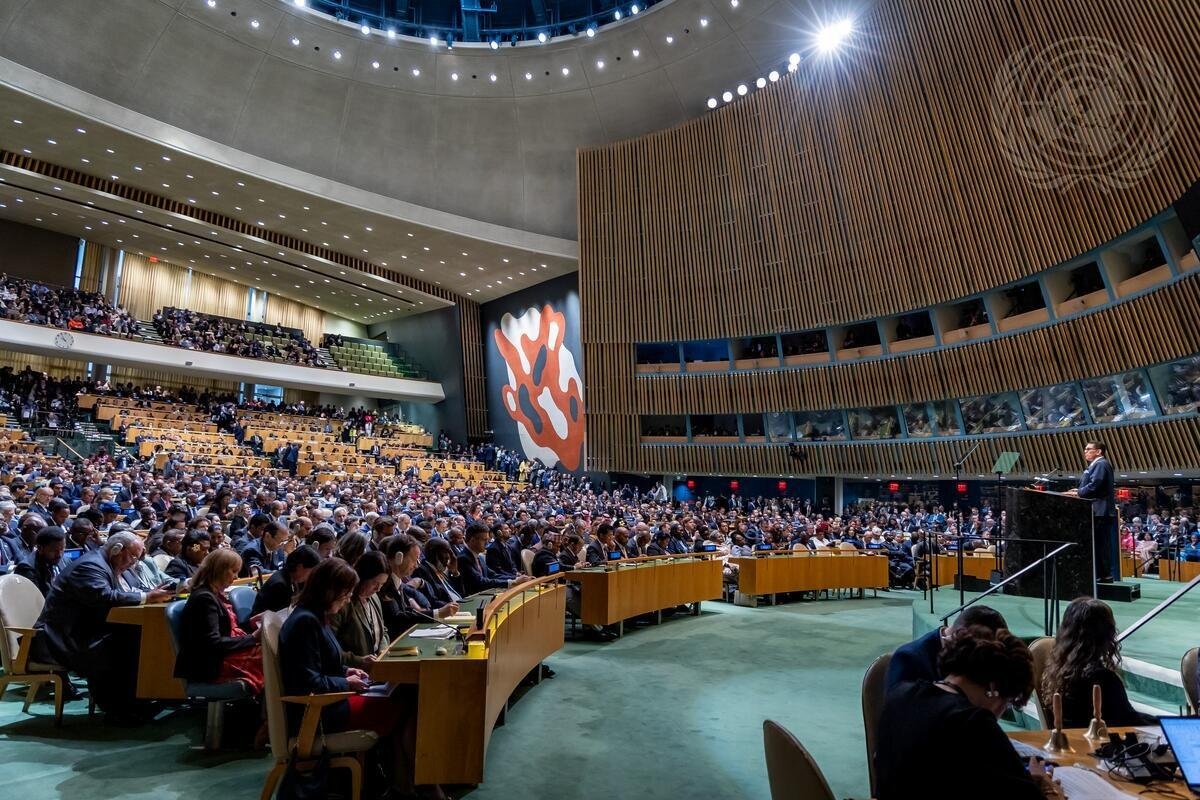
The Democratic Republic of Congo (DRC) recently intensified its calls for the United Nations Security Council (UNSC) to move beyond mere declarations and take decisive action to resolve the persistent crisis in the eastern part of the country. Addressing the Council members, the Congolese representative unequivocally demanded the full and unambiguous implementation of UNSC Resolution 2773 DRC Rwanda. This resolution, according to Kinshasa, mandates several critical steps, including the complete withdrawal of Rwandan forces from Congolese territory, an end to all external support for the AFC/M23 movement, and a fundamental respect for the DRC's national sovereignty.
Despite ongoing diplomatic efforts, the Congolese diplomat highlighted that the region continues to experience severe clashes, the occupation of various localities, and immense suffering among civilian populations. While acknowledging the report from the UN Secretary-General's Special Envoy, the DRC government underscored its belief that the time for promises has passed. Instead, Kinshasa insists on the immediate and effective fulfillment of commitments made by all parties involved, alongside the concrete execution of the Security Council's decisions to bring stability to the volatile Great Lakes region.
Demands for Sovereignty and Resolution Compliance
In a firm declaration, the DRC government reiterated the non-negotiable nature of its national unity, territorial integrity, and the inviolability of its internationally recognized borders. The Congolese representative condemned the continued offensive actions attributed to the Rwandan Defense Forces (RDF) and their allies within the AFC/M23 in both North Kivu and South Kivu provinces. Furthermore, the establishment of parallel administrations in occupied areas was denounced as a direct affront to the authority of the Congolese state, emphasizing that no security concerns can justify military intervention on a neighboring state's territory or the provision of support to armed groups.
The DRC also reaffirmed its own ongoing commitments to neutralize the Democratic Forces for the Liberation of Rwanda (FDLR) through established measures of disarmament, cantonment, and repatriation. However, the Congolese diplomat clarified that these actions should not be considered a precondition for the Rwandan forces withdrawal Congo or for Rwanda's respect of the DRC's sovereignty. To bolster regional stability, the DRC delegation advocated for stronger ceasefire verification mechanisms, specifically mentioning the Expanded Joint Verification Mechanism (EJVM+) with support from MONUSCO, and called for concrete measures against any parties found in violation. Additionally, the DRC sought greater transparency regarding the transfer of arms, drones, and military equipment to Rwanda, and urged increased scrutiny over the use of drones in the DRC Rwanda conflict UN, citing their severe impact on civilian populations.
Illicit Minerals Fueling Conflict and Compliance Risks
A significant portion of the Congolese representative's address to the UN was dedicated to the critical issue of illicit natural resource exploitation, which the DRC identifies as a primary driver of the ongoing conflict and a key component of the "war economy" in the eastern provinces. The representative cited findings from the United Nations Group of Experts, which documented an intensification of mining activities in areas controlled by the AFC/M23, particularly around the Rubaya mining site in the Masisi territory. This intensified illicit mining, especially of strategic minerals like coltan, generates substantial revenues that continue to finance armed groups, thereby perpetuating instability and human suffering in the region.
The continued exploitation of these resources underscores a significant challenge for international supply chains and compliance officers. The Congolese government explicitly called for a substantial strengthening of traceability mechanisms for minerals originating from the region. This demand highlights the potential for increased scrutiny and new due diligence requirements for companies whose supply chains involve minerals from the Great Lakes, particularly given the direct link between Congo illicit mineral exploitation and the financing of armed groups. The call for enhanced transparency and accountability aims to disrupt the economic lifeline of these conflict actors, making it a crucial area of focus for global compliance efforts.
Practical Implications
Compliance officers and companies with supply chains involving minerals from the Great Lakes region should note the DRC's call for strengthened traceability mechanisms and increased scrutiny of illicit resource exploitation, which could lead to new due diligence requirements or sanctions risks related to conflict financing.
Source
How does this affect you?
Get an AI analysis of this article grounded in your jurisdictions, practice areas, and any policy documents you've uploaded to Wansom.
Finish Reading the Full Story and the Expert Analysis.
Get the latest legal & regulatory intelligence in DR Congo
Wansom is AI and can make mistakes.