
DRC: Demands UN Rwandan Peacekeeper Suspension Globally
Summary
- The Democratic Republic of Congo accused Rwanda at the UN Security Council of orchestrating a "silent war" through population "transplantation" in its eastern territories.
- Kinshasa demanded the suspension of all Rwandan contingents from UN peacekeeping operations until Rwandan forces verifiably withdraw from Congolese soil.
- DRC Ambassador Zénon Mukongo Ngay urged the Security Council to enforce Resolution 2773, which mandates M23 and Rwandan force withdrawals.
- Rwanda, represented by Ambassador Martin Karoli Ngoga, raised concerns about the reappointment of Major General Sylvain Ekenge as FARDC spokesperson, linking it to issues of hate speech.
- The DRC also highlighted a September 28 drone strike in Pinga, attributed to Rwandan forces, which reportedly caused five deaths and eight serious injuries, calling for verification.
DRC Accusations at the UN Security Council
The Democratic Republic of Congo has formally requested the United Nations to suspend all Rwandan military contingents from its peacekeeping operations globally, citing ongoing security concerns and alleged non-compliance with existing resolutions.
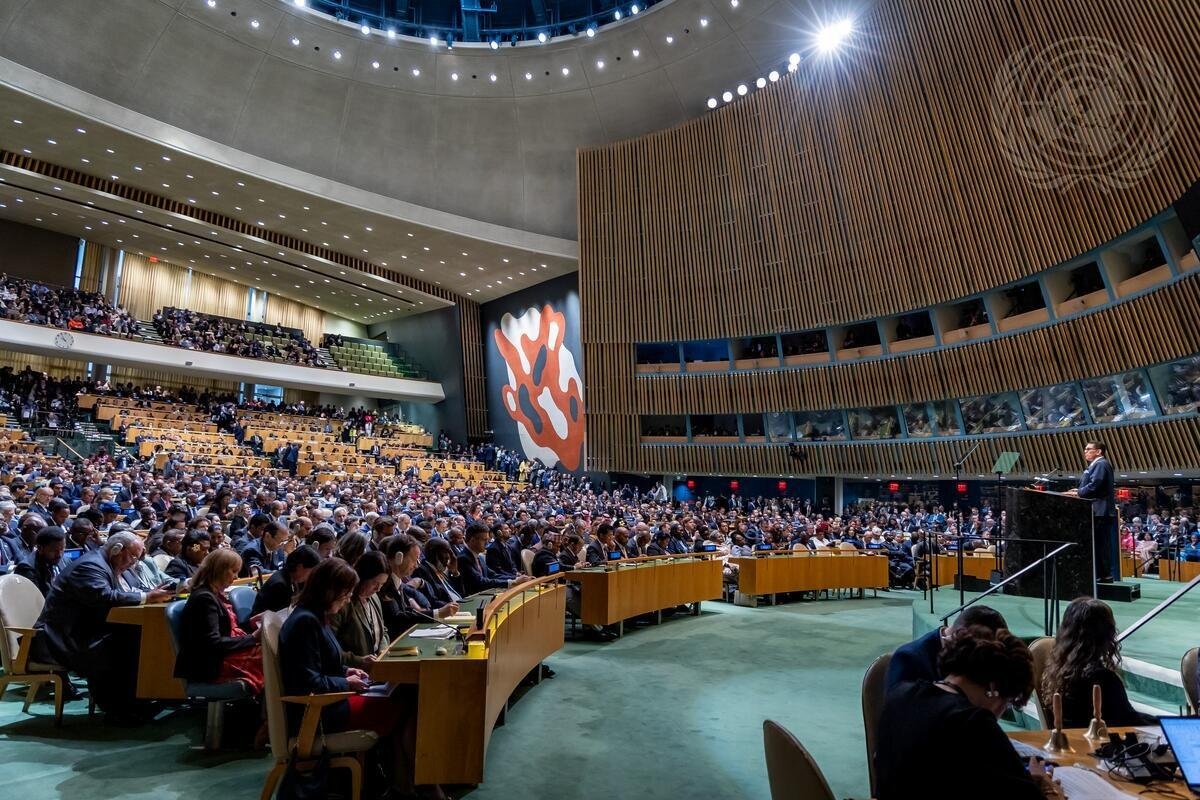
The Democratic Republic of Congo has taken a firm stance before the United Nations Security Council, leveling serious accusations against Rwanda amidst escalating diplomatic and security tensions. During the 10232nd session, Ambassador Zénon Mukongo Ngay, representing Kinshasa, presented the Congolese position, highlighting what the DRC describes as a "transplantation" of Rwandan populations into its eastern territories. This alleged demographic shift is characterized by the DRC as a form of "silent war" being waged against its sovereignty.
In response to these perceived aggressions, the DRC has formally requested the United Nations to suspend all Rwandan military contingents from its peacekeeping operations globally, citing ongoing security concerns and alleged non-compliance with existing resolutions. This demand specifically calls for a halt to any new participation, deployment, or rotation of Rwandan forces within UN peacekeeping missions. The suspension, according to Kinshasa, should remain in effect until a verifiable withdrawal of Rwandan forces from Congolese territory is achieved.
Legal and Diplomatic Context
Ambassador Mukongo Ngay's address to the Security Council underscored the imperative for the full implementation of commitments outlined in various Council resolutions. He specifically referenced Resolution 2773, which mandates a cessation of hostilities by the M23 rebel group and its withdrawal from areas under its control, alongside the withdrawal of Rwandan forces from the Democratic Republic of Congo. Kinshasa asserts that these critical commitments have not yet been fully honored, contributing to the ongoing instability in the region.
Beyond the immediate demands, the Congolese delegation also advocated for a significant strengthening of the mandate of the United Nations Organization Stabilization Mission in the Democratic Republic of Congo (MONUSCO). This proposed enhancement focuses particularly on bolstering the mission's capacity for civilian protection and its role in monitoring the disarmament of the Democratic Forces for the Liberation of Rwanda (FDLR), aiming to address persistent security challenges and protect vulnerable populations.
Rwanda's Counter-Concerns and Allegations
In a parallel development at the Security Council, Rwanda articulated its own set of concerns, primarily focusing on the reappointment of Major General Sylvain Ekenge as the spokesperson for the FARDC, the Congolese armed forces. Rwandan Ambassador Martin Karoli Ngoga conveyed Kigali's apprehension regarding this decision, suggesting it raises questions about how Kinshasa addresses issues related to hate speech and accountability. The DRC, however, has firmly rejected these concerns, maintaining that Rwanda has no legitimate basis to interfere in the selection of Congolese military officers.
General Ekenge had previously been suspended from his spokesperson role following remarks that Kigali deemed provocative towards Kinyarwanda-speaking Congolese communities. At the time of his initial suspension, the FARDC general staff had clarified that Ekenge's statements did not reflect the official position of the country, its government, or the supreme commander of the armed forces. Rwanda's renewed focus on this appointment underscores the deep-seated mistrust and diplomatic friction between the two nations.
Escalating Tensions and Verification Calls
The volatile security situation in the Eastern DRC remained a central theme of the Congolese intervention, with Ambassador Mukongo Ngay drawing attention to a specific incident that further inflamed tensions. He reported on a drone strike that occurred on September 28 in Pinga, an attack that Kinshasa directly attributes to the Rwandan Defense Forces. This strike reportedly resulted in five fatalities and left eight individuals seriously injured, highlighting the direct human cost of the ongoing conflict.
In light of this grave incident, the Democratic Republic of Congo has formally requested an independent verification of the facts surrounding the Pinga drone strike. Kinshasa is calling for this investigation to be conducted by competent mechanisms, specifically the expanded joint verification mechanism, with crucial support from MONUSCO. This demand for verification underscores the DRC's push for international accountability and transparency regarding military actions in its territory.
Source
How does this affect you?
Get an AI analysis of this article grounded in your jurisdictions, practice areas, and any policy documents you've uploaded to Wansom.
Finish Reading the Full Story and the Expert Analysis.
Get the latest legal & regulatory intelligence in DR Congo
Wansom is AI and can make mistakes.