
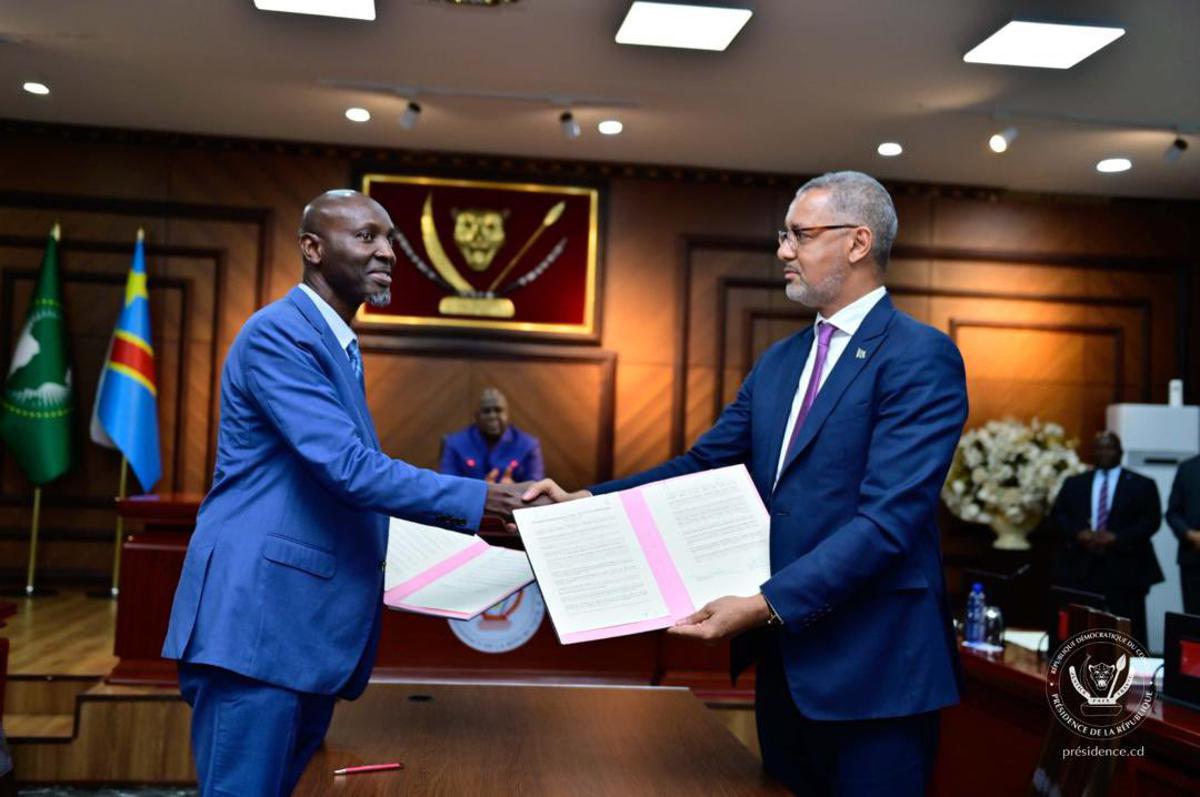
DR Congo-USA Strategic Partnership on Minerals, Infrastructure Reviewed
Media reports in the Democratic Republic of Congo on Friday, November 20, highlight concerns and potential future scrutiny regarding strategic agreements between the DRC and the United States, particularly a mining-focused partnership signed on December 4, 2025, amidst predictions of US congressional investigations following the 2026 midterm elections.
This development carries significant legal and political implications for both the DRC and US entities involved in these strategic agreements. The prospect of US congressional investigations, particularly into agreements concerning critical minerals, introduces substantial uncertainty regarding their long-term viability and implementation. Such inquiries could lead to calls for revision, renegotiation, or even annulment of the agreements, potentially impacting foreign investment, trade relations, and diplomatic ties between the two nations. The emphasis on "quasi-total secrecy" in negotiations and the mention of specific individuals like Gentry Beach suggest potential concerns around transparency, corruption, and adherence to international best practices in resource governance, which could trigger further legal challenges or regulatory actions.
The legal context for these agreements spans international law, bilateral treaties, and the domestic laws of both the DRC and the US. In the United States, congressional oversight is a fundamental constitutional power, enabling the legislative branch to investigate executive branch actions, including the negotiation and implementation of international agreements. Statutes such as the Foreign Corrupt Practices Act (FCPA) and other anti-corruption laws could become relevant if allegations of impropriety or illicit dealings arise. In the DRC, the legal framework governing mining concessions, foreign investment, and the ratification of international agreements would be pertinent. The distinction drawn between a peace agreement (June 27, 2025) and a strategic economic partnership (December 4, 2025) also highlights different legal instruments with distinct implications and potential avenues for challenge.
The key parties involved include the governments of the Democratic Republic of Congo and the United States, specifically the executive branches that negotiated these agreements (e.g., the Tshisekedi administration and the Trump administration). US congressional representatives, such as the Democratic Representative Jonathan Jackson, are central figures in initiating potential oversight. Media outlets like Congo Nouveau and EcoNews play a crucial role in reporting on these developments and shaping public discourse. Businessman Gentry Beach is also mentioned as a figure of interest in relation to coltan from Rubaya, North Kivu.
Attorneys advising companies or governments involved in strategic partnerships, particularly in the critical minerals sector, between the DRC and the US should closely monitor developments in US congressional oversight. They should proactively assess the robustness of due diligence processes, transparency measures, and compliance frameworks related to these agreements to mitigate potential risks. Companies with existing or prospective investments in the DRC's mining sector, especially those dealing with critical minerals like coltan, should prepare for increased scrutiny and potential legal challenges or renegotiations. While the reports emphasize that anticipated investigations do not automatically equate to legal annulment, the risk of significant disruption and reputational damage is substantial. The outcome of any potential investigations or revisions to these agreements is not yet reported.
How does this affect you?
Get an AI analysis of this article grounded in your jurisdictions, practice areas, and any policy documents you've uploaded to Wansom.
Finish Reading the Full Story and the Expert Analysis.
Get the latest legal & regulatory intelligence in DR Congo
Wansom is AI and can make mistakes.