
DR Congo: Presidential Ordinance Establishes National Dialogue Committee
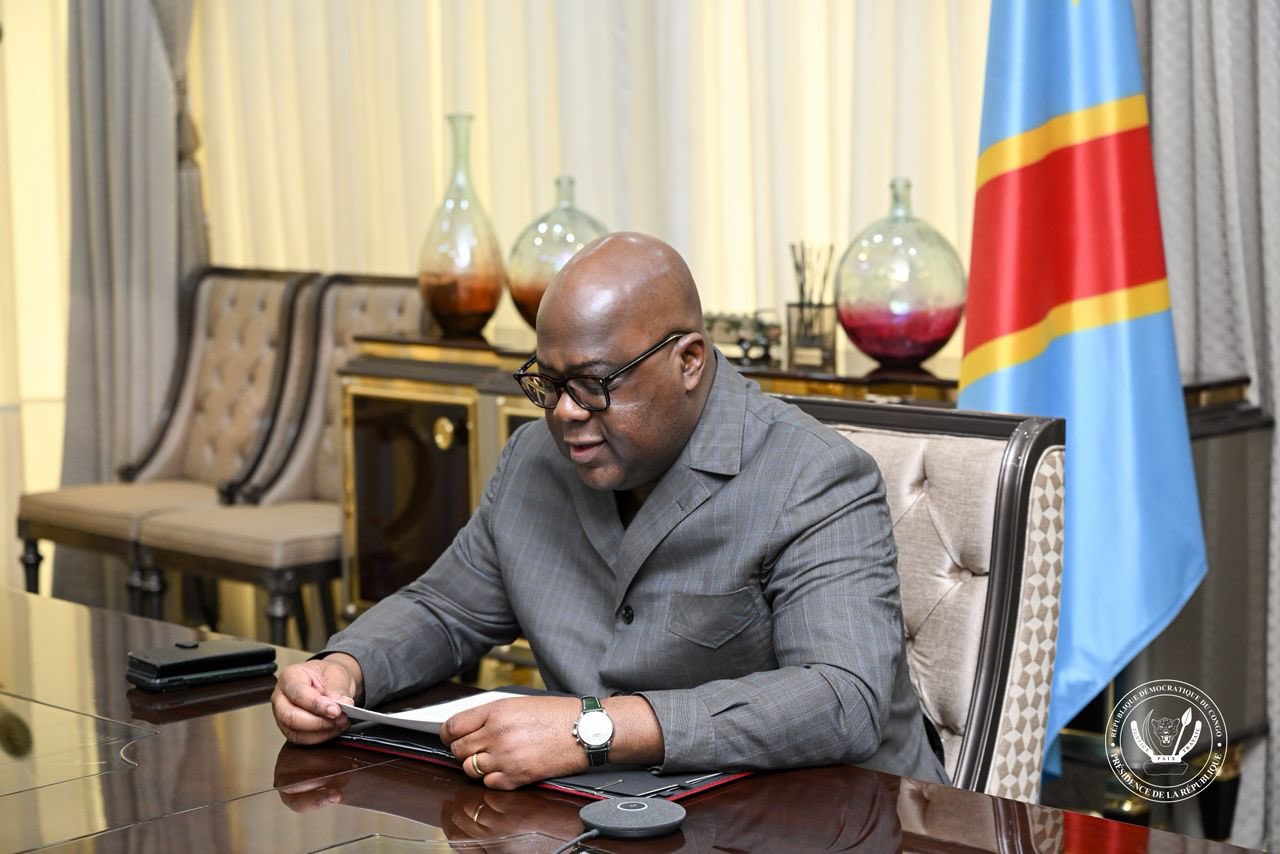
President Félix Tshisekedi of the Democratic Republic of Congo (DRC) recently signed a presidential ordinance on September 13, instituting a preliminary organizing committee for a national dialogue, a move that has drawn scrutiny regarding its perceived lack of independence and transparency.
This development is highly significant for legal practitioners and political stakeholders in the DRC as it formalizes a critical national political process under direct presidential control. The ordinance establishes a preliminary organizing committee whose members are appointed and revocable by the President, with its work directed through his chief of staff. This structure, as highlighted by local media, raises concerns about the impartiality and inclusiveness of the dialogue, particularly given the reported absence of published member lists for both the committee and its technical secretariat, alongside an imposed confidentiality obligation on participants. For attorneys advising political parties, civil society organizations, or international bodies, understanding the precise institutional framework and the extent of presidential authority over this dialogue is crucial for assessing its legitimacy and potential outcomes.
The legal context for this action lies within the constitutional powers of the President of the DRC to issue ordinances, particularly those pertaining to the organization of national political processes. While the excerpt does not specify the exact constitutional article, presidential ordinances are a common instrument for establishing ad hoc bodies or defining preparatory steps for major national initiatives. Key parties involved include President Félix Tshisekedi, the preliminary organizing committee, the unnamed members of the technical secretariat, and various media outlets (Congo Nouveau, Le Potentiel, 7sur7.cd) reporting on the event. Crucially, the opposition and civil society organizations are identified as critical stakeholders expressing concerns, underscoring the political and legal tensions surrounding the process. The dialogue's stated aim to consult the country's 26 provinces also implicates regional governance structures.
Attorneys advising clients with interests in the DRC's political stability, governance, or investment climate should closely monitor the evolution of this national dialogue. Specifically, they should track any further presidential decrees or ordinances that might clarify the committee's mandate, membership, or procedural rules. The concerns raised about transparency and potential "monologue" suggest that the dialogue's legitimacy could be challenged, potentially leading to political instability or legal disputes regarding its outcomes. Practitioners should advise clients on the implications of a dialogue perceived as non-inclusive, particularly concerning its impact on future legislative or policy reforms that might emerge from such a process. Furthermore, monitoring the reactions of the opposition and civil society will be vital, as their engagement or non-engagement could significantly shape the dialogue's perceived success and its long-term impact on the DRC's political landscape.
How does this affect you?
Get an AI analysis of this article grounded in your jurisdictions, practice areas, and any policy documents you've uploaded to Wansom.
Finish Reading the Full Story and the Expert Analysis.
Get the latest legal & regulatory intelligence in DR Congo
Wansom is AI and can make mistakes.