
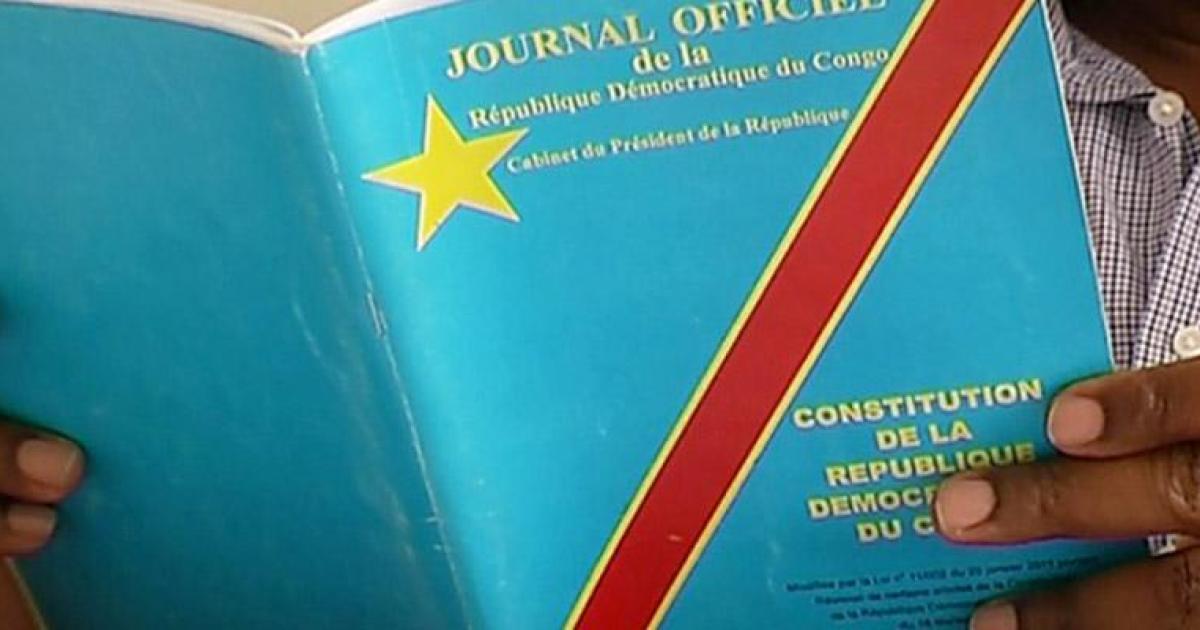
DR Congo: Politician Advocates for Constitutional Change
Katangan political figure Katebe Katoto, during a Space live event on September 29, 2026, advocated for a change to the Constitution of the Democratic Republic of Congo (DRC), asserting that the Constitution belongs to the people.
This statement, coming from a prominent political figure, carries significant legal and political implications for the DRC, signaling ongoing debates about constitutional reform and the principle of popular sovereignty. For legal practitioners, such public calls for constitutional change highlight potential future legislative or constitutional amendments, which could profoundly impact various areas of law, including human rights, property rights, and the structure of governance. These discussions often precede periods of political re-alignment or significant legal shifts, necessitating that legal professionals closely monitor developments to advise their clients effectively on potential risks and opportunities.
The primary legal framework implicated is the Constitution of the Democratic Republic of Congo, which establishes the fundamental principles of the state, the rights of citizens, and the procedures for its own amendment. Article 218 of the DRC Constitution outlines the formal process for constitutional revision, requiring specific initiatives from the President, government, or a significant portion of Parliament. Katoto's invocation of popular sovereignty directly references Article 5 of the Constitution, which declares that national sovereignty belongs to the people. Debates surrounding constitutional amendments frequently involve complex interpretations of these articles and the delicate balance of power between state institutions and the populace.
The key individual involved is Katebe Katoto, identified as a Katangan political figure. The event was a "Space live" organized by Stanis Bujakera Tshiamala. While these are the immediate parties, the broader stakeholders include the Congolese people, who are the ultimate source of constitutional authority, and the legislative and executive branches of government, which would be responsible for initiating and enacting any formal constitutional changes. The political landscape of the DRC, with its diverse regional interests, also plays a crucial role in such discussions.
Attorneys and legal professionals in the DRC should closely monitor political discourse and any formal proposals related to constitutional reform. Understanding the existing constitutional provisions, the prescribed amendment procedures, and the political momentum behind such calls is paramount. Clients, particularly those in sectors sensitive to governance changes, public policy, or large-scale investments, will require proactive legal advice on the potential implications of constitutional shifts on their operations, rights, and obligations. Staying informed about public sentiment and political developments regarding constitutional matters will be vital for providing comprehensive and forward-looking legal counsel. The excerpt does not report any immediate outcome or formal action resulting from Katoto's advocacy.
How does this affect you?
Get an AI analysis of this article grounded in your jurisdictions, practice areas, and any policy documents you've uploaded to Wansom.
Finish Reading the Full Story and the Expert Analysis.
Get the latest legal & regulatory intelligence in DR Congo
Wansom is AI and can make mistakes.