
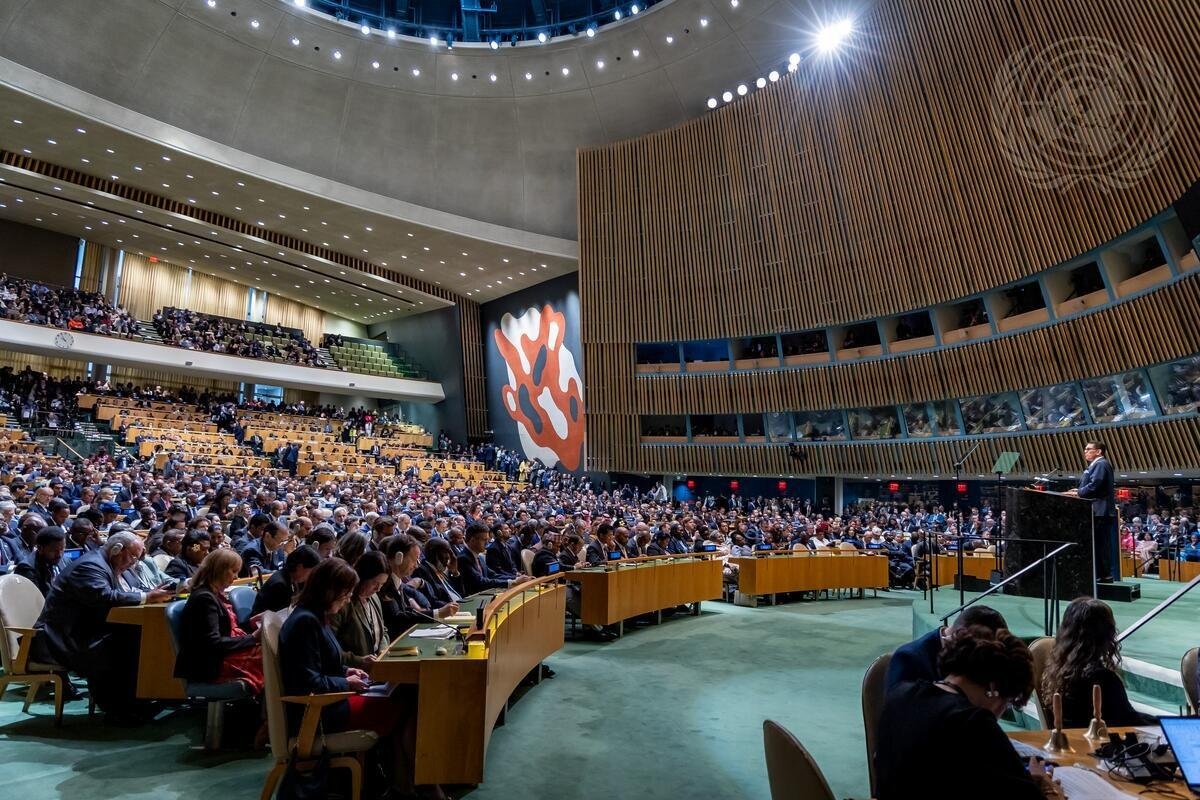
DRC: UN Security Council Hears RDF M23 Criminal Management Accusation
Summary
- The Democratic Republic of Congo (DRC) expressed deep concern over the administration of its occupied eastern territories.
- At a UN Security Council meeting on September 29, 2026, DRC representative Zénon Mukongo Ngay denounced "criminal administrative, territorial, and demographic management."
- These accusations target areas under the control of the Rwandan Army (RDF) and the AFC-M23 rebel group.
- The DRC's statement highlights potential violations of international humanitarian law in the occupied regions.
DRC Denounces 'Criminal Management' at UN Security Council
He specifically highlighted what he termed the "criminal administrative, territorial, and demographic management" of these regions.
The Democratic Republic of Congo (DRC) has voiced profound concern regarding the administration of its eastern territories currently under occupation. During a United Nations Security Council meeting held on Tuesday, September 29, 2026, the DRC's representative to the UN, Zénon Mukongo Ngay, delivered a strong condemnation. He specifically highlighted what he termed the "criminal administrative, territorial, and demographic management" of these regions.
This pointed accusation at the UN Security Council targets areas controlled by the Rwandan Army (RDF) and the M23 rebel group, which operates under the banner of the 'Alliance Fleuve Congo' (AFC-M23). The DRC's statement underscores a critical escalation in its diplomatic efforts to draw international attention to the ongoing conflict and the alleged abuses occurring within its borders. The denunciation of such a comprehensive "criminal management" suggests a systematic pattern of control that extends beyond mere military occupation to encompass civilian life and governance structures.
Legal and Humanitarian Implications of Occupation
The DRC's characterization of the situation as "criminal management" carries significant weight within the framework of international law, particularly concerning occupied territories. Such a designation implies potential violations of international humanitarian law, which governs the conduct of armed conflict and the responsibilities of occupying powers. These laws mandate the protection of civilian populations, their property, and their rights, prohibiting actions that could be construed as administrative, territorial, or demographic manipulation.
The ongoing occupation of the DRC's Eastern territories by the RDF and AFC-M23, as alleged by Kinshasa, raises serious questions about adherence to these international norms. The specific mention of "demographic" management suggests concerns over forced displacement, population transfers, or other actions designed to alter the ethnic or social composition of the occupied areas, which could constitute grave breaches of the Geneva Conventions and potentially amount to war crimes or crimes against humanity. This situation demands rigorous scrutiny from international bodies to ensure accountability for any such violations.
Broader Context of the Congo M23 Conflict
The denunciation by Zénon Mukongo Ngay at the UN Security Council further intensifies the international spotlight on the protracted conflict in the Eastern DRC, particularly the role of the M23 and its alleged ties to Rwanda. The DRC has consistently accused Rwanda of supporting the M23, an accusation Kigali denies. This latest statement, however, directly implicates the Rwandan Army (RDF) in the "criminal management" of occupied zones, linking the state actor more explicitly to the alleged abuses.
This public condemnation at such a high-level international forum like the UN Security Council Congo M23 discussions could pave the way for increased international pressure, potential investigations, or even sanctions against individuals or entities found responsible for these alleged criminal acts. The persistent instability and humanitarian crisis in the region, exacerbated by the Rwanda M23 DRC conflict, underscore the urgent need for a robust international response to protect civilians and uphold international legal principles.
Why It Matters for International Accountability
The DRC's formal complaint to the United Nations Security Council regarding the alleged criminal management of its eastern regions represents a critical step towards seeking international accountability. By explicitly naming the Rwandan Army and the AFC-M23, the DRC is pushing for a more direct and forceful engagement from the international community. This type of high-profile denunciation can serve as a catalyst for deeper investigations into the conduct of all parties involved in the conflict.
Ultimately, the outcome of these discussions at the UN Security Council will be crucial in determining the future course of action, potentially including resolutions that demand withdrawal, impose sanctions, or establish mechanisms for justice and reparations. The international community's response to these grave allegations will reflect its commitment to upholding international humanitarian law and protecting vulnerable populations in conflict zones globally.
Practical Implications
This denunciation at the UN Security Council highlights potential international legal actions or sanctions against actors involved in the Eastern DRC. Lawyers should advise clients on heightened compliance risks, particularly concerning supply chains and human rights due diligence in conflict-affected regions.
Source
Source: Original reporting via {source}
How does this affect you?
Get an AI analysis of this article grounded in your jurisdictions, practice areas, and any policy documents you've uploaded to Wansom.
Finish Reading the Full Story and the Expert Analysis.
Get the latest legal & regulatory intelligence in DR Congo
Wansom is AI and can make mistakes.