
DR Congo Parliament: Deputies Review No-Confidence Motions Against Ministers
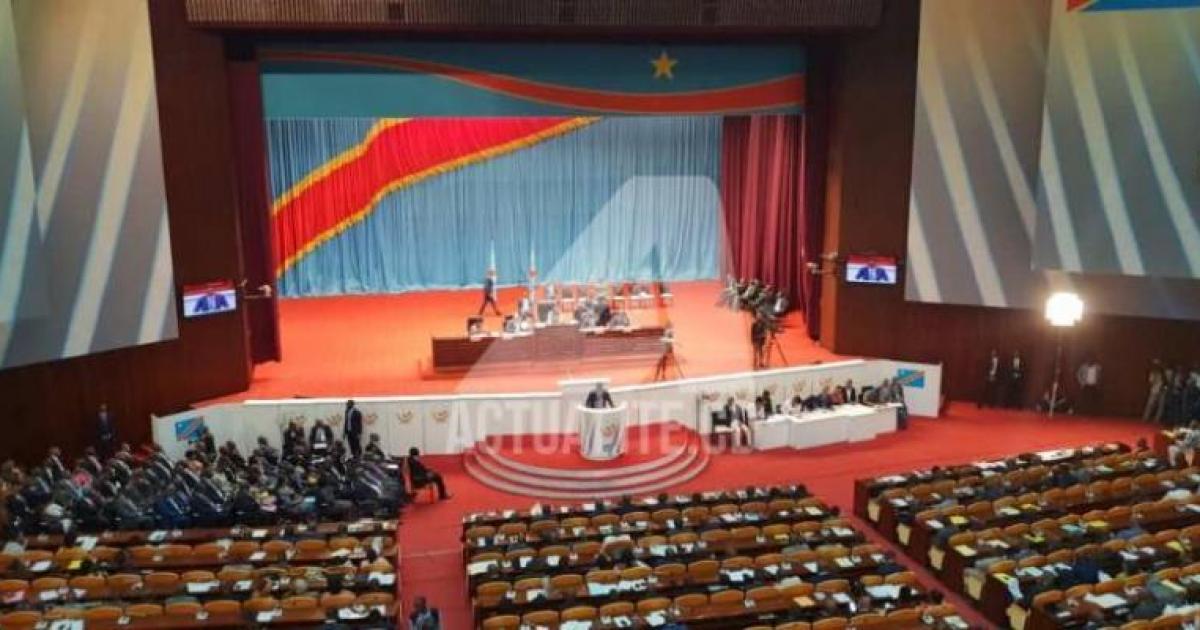
On Wednesday, November 25, 2026, in the Democratic Republic of Congo, the National Assembly deputies are examining motions of no confidence targeting Ministers Muhindo Nzangi and Marie-Thérèse Sombo, signaling a significant exercise of parliamentary oversight.
This development carries substantial legal significance for the DRC's political landscape and governance. The examination of motions of no confidence underscores the accountability of the executive branch to the legislative body, a cornerstone of democratic governance. Should these motions be adopted, they could lead to the removal of the targeted ministers, potentially triggering a cabinet reshuffle or impacting the stability of the government. For legal practitioners and businesses, such events introduce an element of political uncertainty, particularly if the ministers in question oversee critical economic sectors, regulatory bodies, or public services. Changes in ministerial leadership can lead to shifts in policy direction, regulatory enforcement, or the prioritization of government projects, necessitating vigilance from stakeholders.
The legal context for these proceedings is rooted in the Constitution of the Democratic Republic of Congo, which grants the National Assembly powers of control over the government, including the ability to censure or remove ministers. Specific articles within the Constitution and the internal regulations of the National Assembly detail the procedural requirements for tabling, debating, and voting on motions of no confidence. These procedures typically involve a minimum number of signatories for a motion, a period for the targeted minister to respond, and a vote requiring a specific majority for the motion to pass. The National Assembly, as the lower house of the Congolese Parliament, is the primary institution vested with this oversight authority.
The key parties involved in this matter are the National Assembly itself, the individual deputies who initiated and support these motions, and the two targeted ministers, Muhindo Nzangi and Marie-Thérèse Sombo. While the specific portfolios held by these ministers are not detailed in the excerpt, their potential removal would directly impact the government's composition and potentially its policy agenda. The broader government, led by the Prime Minister, is also an implicit party, as the outcome could affect its overall stability and public perception.
Practitioners, particularly those advising on public law, government relations, or political risk in the DRC, should closely monitor the progression and ultimate outcome of these motions. Understanding the procedural nuances and potential political ramifications is crucial for advising clients on navigating the evolving regulatory and political environment. Businesses operating in sectors potentially impacted by the ministries led by Nzangi and Sombo should assess their exposure to policy changes or leadership transitions. The excerpt does not report on the outcome of these motions, and therefore, their final disposition remains to be seen.
How does this affect you?
Get an AI analysis of this article grounded in your jurisdictions, practice areas, and any policy documents you've uploaded to Wansom.
Finish Reading the Full Story and the Expert Analysis.
Get the latest legal & regulatory intelligence in DR Congo
Wansom is AI and can make mistakes.