
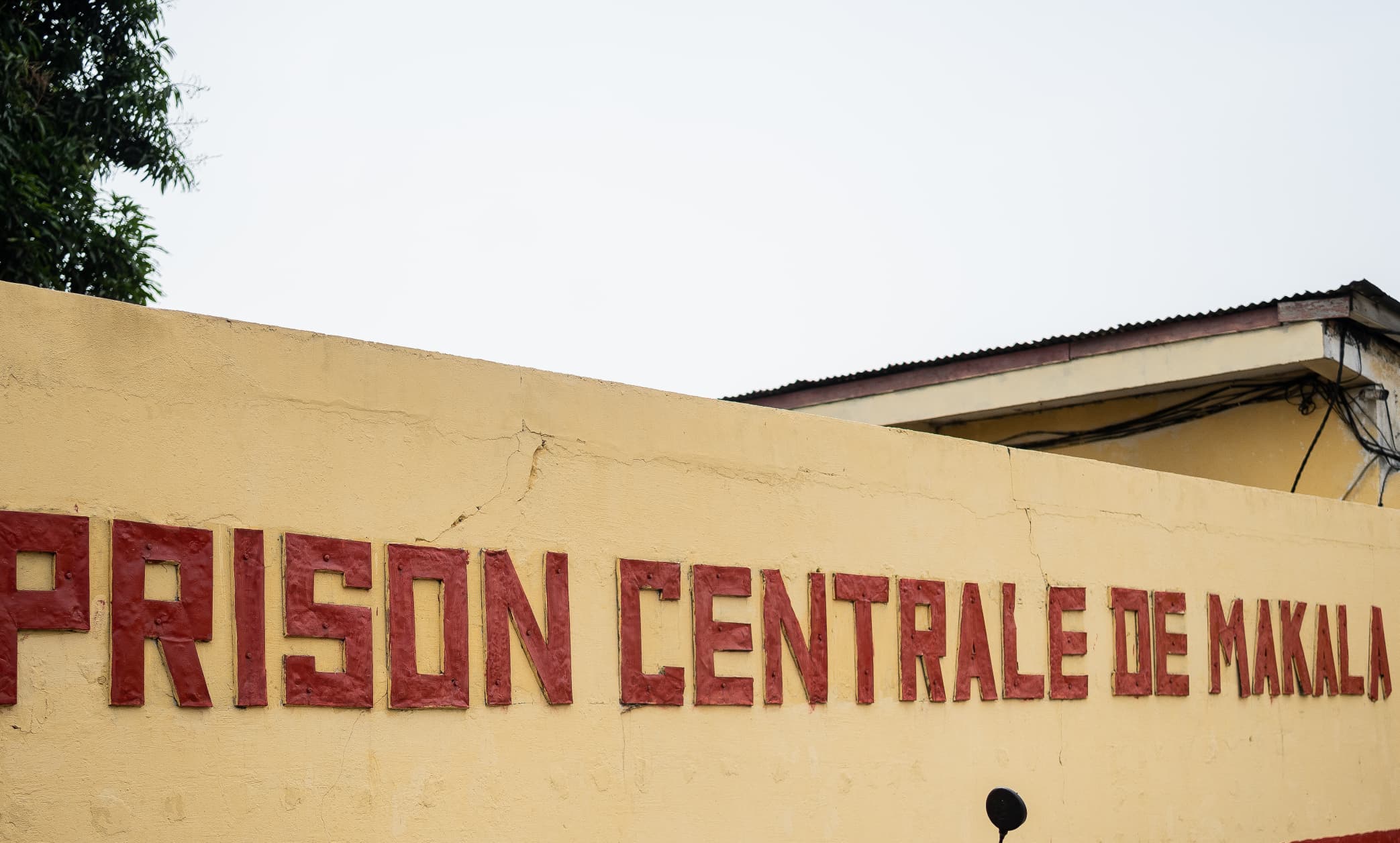
DR Congo: NGOs Urge Penitentiary System Reform Amid Overpopulation
The African Association for the Defense of Human Rights (ASADHO) and the Bill Clinton Foundation for Peace (FBCP) commended the Minister of Justice, Guillaume Ngefa, on Monday, October 26, for his decision to decongest Makala Central Prison and suspend new admissions in the Democratic Republic of Congo.
These two prominent civil society organizations praised the Minister's initiative to address the severe overcrowding at Makala Central Prison and called for a comprehensive, sustainable national program to alleviate prison congestion across the DRC. Their recommendations included strengthening judicial oversight to sanction magistrates who fail to adhere to established legal procedures, and increasing supervision of public prosecutors' offices, police detention centers (known as "cachots"), "amigos," and other unofficial places of detention. They further urged the Superior Council of Magistracy to fully exercise its constitutional and legal responsibilities and called upon the Minister of Justice to ensure that all judicial acts comply with the laws and the Constitution. A significant demand was the closure of clandestine detention centers, with an appeal to national deputies to question the Vice-Prime Minister of Interior and the Minister of Justice regarding irregular and secret detentions. Finally, they exhorted the President of the Republic, as the guarantor of institutional functioning, to ensure the proper operation of the Congolese judiciary.
This development carries substantial legal significance for practitioners, businesses, and the public, as it highlights critical systemic issues within the DRC's criminal justice and detention systems, particularly concerning human rights and the rule of law. The advocacy by ASADHO and FBCP underscores the urgent need for reforms in judicial accountability, due process, and the legality of detention facilities. For legal professionals, it signals a potential shift towards greater scrutiny of judicial conduct and a push for more rigorous enforcement of laws governing detention. The focus on clandestine detention centers and procedural breaches by magistrates indicates a broader effort to uphold constitutional guarantees and international human rights standards.
The legal context for this situation is rooted in the Congolese Constitution, which enshrines fundamental rights, and various statutes governing the judiciary, criminal procedure, and conditions of detention. The Superior Council of Magistracy is constitutionally mandated to oversee and discipline judges, making its role central to the proposed reforms. The existence of "cachots clandestins" and "amigos" represents a direct challenge to the legal framework requiring all detentions to occur in officially recognized and regulated facilities, subject to judicial oversight. The call for magistrates to respect procedures directly implicates the Code of Criminal Procedure and judicial ethics. Key parties involved include ASADHO, FBCP, Minister of Justice Guillaume Ngefa, the Superior Council of Magistracy, national deputies, the Vice-Prime Minister of Interior, the President of the Republic, and the various judicial and law enforcement officials whose conduct is under scrutiny.
Attorneys practicing in the DRC should closely monitor any legislative or regulatory changes that may arise from these calls for reform, especially those pertaining to judicial accountability, detention standards, and criminal procedure. Lawyers representing clients in criminal matters must be particularly vigilant regarding the conditions and legality of detention facilities, and be prepared to challenge any irregular detentions or procedural violations by judicial officers. For businesses, understanding the evolving rule of law environment and the emphasis on human rights compliance is crucial for risk assessment and ethical operations. This initiative represents a significant civil society push that could lead to tangible improvements in the administration of justice.
How does this affect you?
Get an AI analysis of this article grounded in your jurisdictions, practice areas, and any policy documents you've uploaded to Wansom.
Finish Reading the Full Story and the Expert Analysis.
Wansom is AI and can make mistakes.