
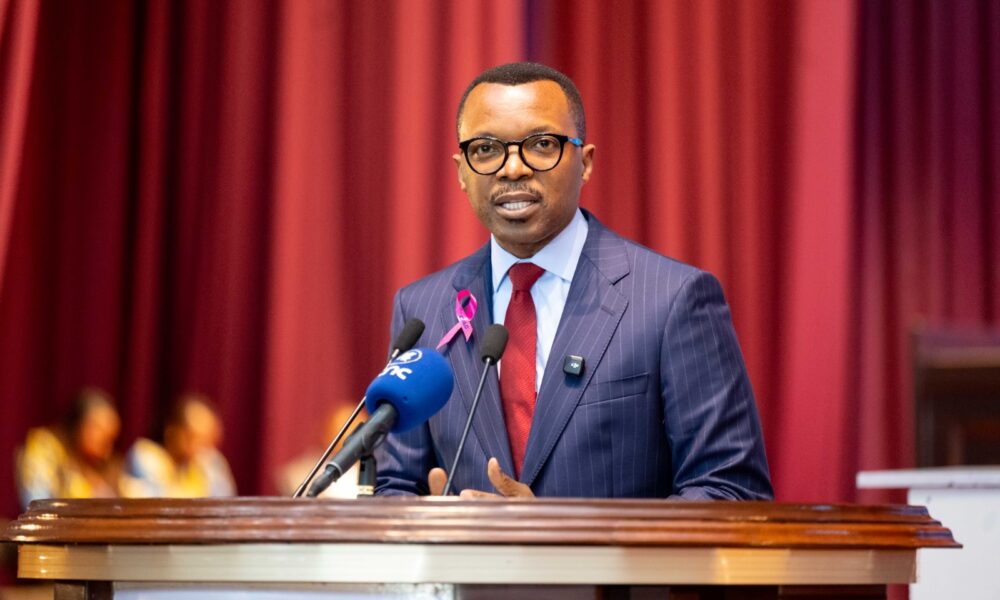
DR Congo National Assembly: Mining Value Chain Bill Admissible
In the Democratic Republic of Congo (DRC), the National Assembly on Monday, October 12, 2026, declared admissible a framework bill proposed by national deputy Thierry Mulumba Mpandanjila, which aims to increase the local transformation of mineral resources and develop value chains within the country.
This legislative development signals a significant strategic shift by the DRC to capture a greater share of the economic benefits derived from its vast mineral wealth, moving beyond mere raw material extraction towards in-country value addition. For legal practitioners and businesses, this indicates a forthcoming evolution in the regulatory landscape that will likely introduce new obligations and create new opportunities related to local processing, beneficiation, and industrial development within the mining sector. It could lead to the imposition of new investment requirements, more stringent local content rules, and potentially revised tax and customs regimes specifically designed to incentivize and enforce in-country mineral transformation.
The existing legal framework for mining in the DRC is primarily the 2018 Mining Code, which already contains provisions encouraging local content and value addition, though these have often been criticized for insufficient enforcement or limited scope. This proposed framework bill, once enacted, would likely amend or supplement the current Mining Code and its implementing regulations, or establish a new overarching legal instrument specifically dedicated to local transformation and value chain development. The process of a bill being declared "receivable" signifies that it has met the initial procedural requirements for consideration by the National Assembly, allowing it to proceed to subsequent stages of legislative review, including committee examination, debate, and eventual voting. This is a crucial procedural step in the legislative process.
Key parties involved include the National Assembly, as the legislative body; national deputy Thierry Mulumba Mpandanjila, as the proposer of the bill; and implicitly, the government and the broader mining industry, as primary stakeholders who will be significantly affected by the proposed changes. The specific date of admissibility is Monday, October 12, 2026. Attorneys advising mining companies, investors, and related industries in the DRC should closely monitor the progression of Deputy Mulumba's framework bill through the legislative process. They should anticipate potential changes to local content requirements, export regulations for unprocessed minerals, and incentives for establishing processing facilities within the DRC.
Businesses should proactively begin assessing their current operations for alignment with potential new local transformation mandates and consider strategies for adapting their supply chains and investment plans to comply with and benefit from these anticipated legislative changes. Early engagement with legislative developments and strategic planning will be critical for effective risk mitigation and capitalizing on new opportunities. The outcome of the legislative process, specifically the enactment and final content of the bill, is not yet reported, making continuous monitoring essential for all affected parties.
How does this affect you?
Get an AI analysis of this article grounded in your jurisdictions, practice areas, and any policy documents you've uploaded to Wansom.
Finish Reading the Full Story and the Expert Analysis.
Get the latest legal & regulatory intelligence in DR Congo
Wansom is AI and can make mistakes.