
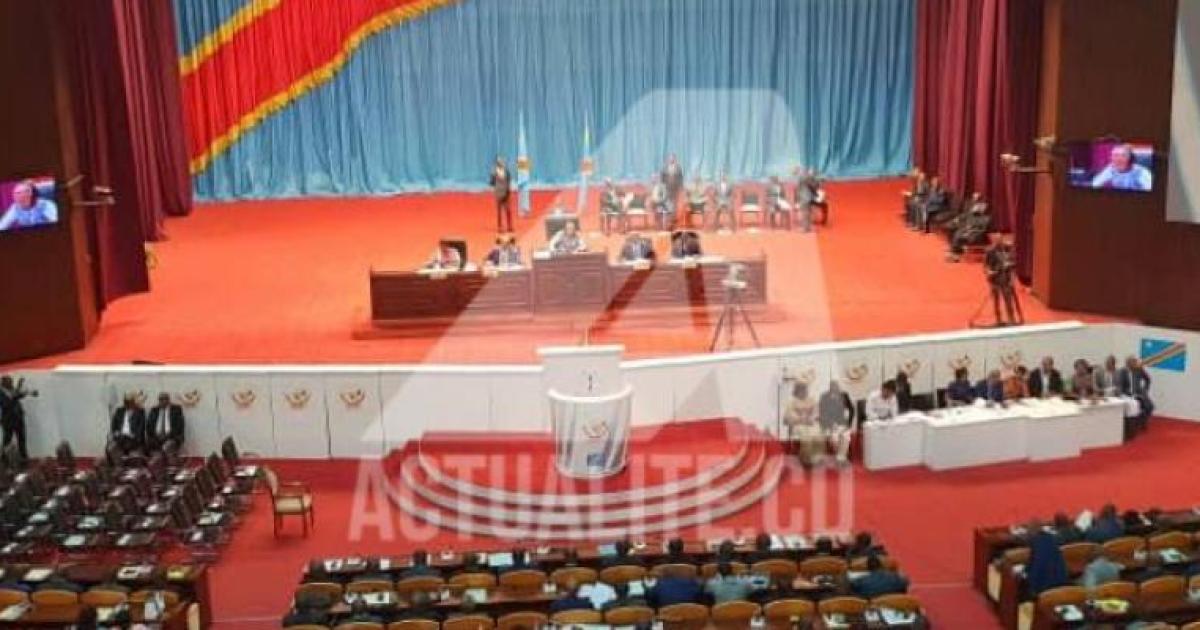
Augustin Kabuya: Demande Décalage Rentrée Parlementaire RDC Pour Éviter Affrontements
Summary
- National Deputy Augustin Kabuya has requested the Bureau of the National Assembly to postpone the opening ceremony of the parliamentary session to the evening.
- The request was made five days before the scheduled opening of the parliamentary session.
- The proposed delay aims to avoid confrontations with an opposition march planned for the same day.
- The opposition's march is organized to protest against a referendum law that has been adopted by parliament, reviewed by the Constitutional Court with reservations, and is currently undergoing further parliamentary deliberation in the Democratic Republic of Congo.
Request to Reschedule Parliamentary Opening
This development signals potential political tensions surrounding the legislative agenda in the DRC, which could impact the timely progression of bills and parliamentary decisions.
A national deputy in the Democratic Republic of Congo, Augustin Kabuya, has formally appealed to the Bureau of the National Assembly to adjust the timing of the upcoming parliamentary session's opening ceremony. The request, submitted five days before the scheduled event, proposes moving the commencement of the session to the evening. This intervention by Mr. Kabuya aims to prevent potential confrontations that could arise from a planned public demonstration.
This specific appeal, focusing on the "Assemblée nationale RDC cérémonie ouverture," highlights a proactive effort to manage public order and ensure the smooth start of legislative activities. The proposed "décalage session parlementaire RDC" underscores the sensitivity surrounding the parliamentary calendar, especially when it intersects with significant political events. The decision by the National Assembly Bureau regarding this "Kabuya demande décalage rentrée parlementaire RDC" will be crucial in setting the tone for the legislative period.
Context of Opposition Protest
The impetus behind Deputy Kabuya's request stems from a planned march by opposition groups, which is slated to coincide directly with the parliamentary opening. This demonstration is organized with the explicit objective of opposing and obstructing a referendum law that has been adopted by parliament, reviewed by the Constitutional Court with reservations, and is currently undergoing further parliamentary deliberation.
The "Opposition marche loi référendum Congo" signifies a deep-seated disagreement with certain legislative initiatives, making the timing of the parliamentary session particularly contentious. The potential for public unrest and clashes, as perceived by Mr. Kabuya, necessitated his formal request to the parliamentary leadership, seeking to avert any disruption to the legislative process or public safety.
Implications for Legislative Process
The formal request by "Augustin Kabuya report rentrée parlementaire" carries significant implications for the "procédure législative RDC Kabuya" and the broader political landscape of the Democratic Republic of Congo. Any alteration to the established parliamentary calendar, even if motivated by security concerns, can signal underlying political tensions and potential challenges to the timely progression of legislative work. While the immediate goal is to prevent confrontation, it also acknowledges the considerable influence of public dissent and the imperative for political actors to carefully navigate these dynamics.
This development signals potential political tensions surrounding the legislative agenda in the DRC, which could impact the timely progression of bills and parliamentary decisions. Lawyers should monitor the National Assembly's schedule for any further changes that might affect legislative timelines relevant to their clients' interests. The outcome of this request will be closely observed, as it could establish a precedent for how future legislative events are managed in the face of political activism and public demonstrations.
Practical Implications
This development signals potential political tensions surrounding the legislative agenda in the DRC, which could impact the timely progression of bills and parliamentary decisions. Lawyers should monitor the National Assembly's schedule for any further changes that might affect legislative timelines relevant to their clients' interests.
Source
How does this affect you?
Get an AI analysis of this article grounded in your jurisdictions, practice areas, and any policy documents you've uploaded to Wansom.
Finish Reading the Full Story and the Expert Analysis.
Wansom is AI and can make mistakes.