
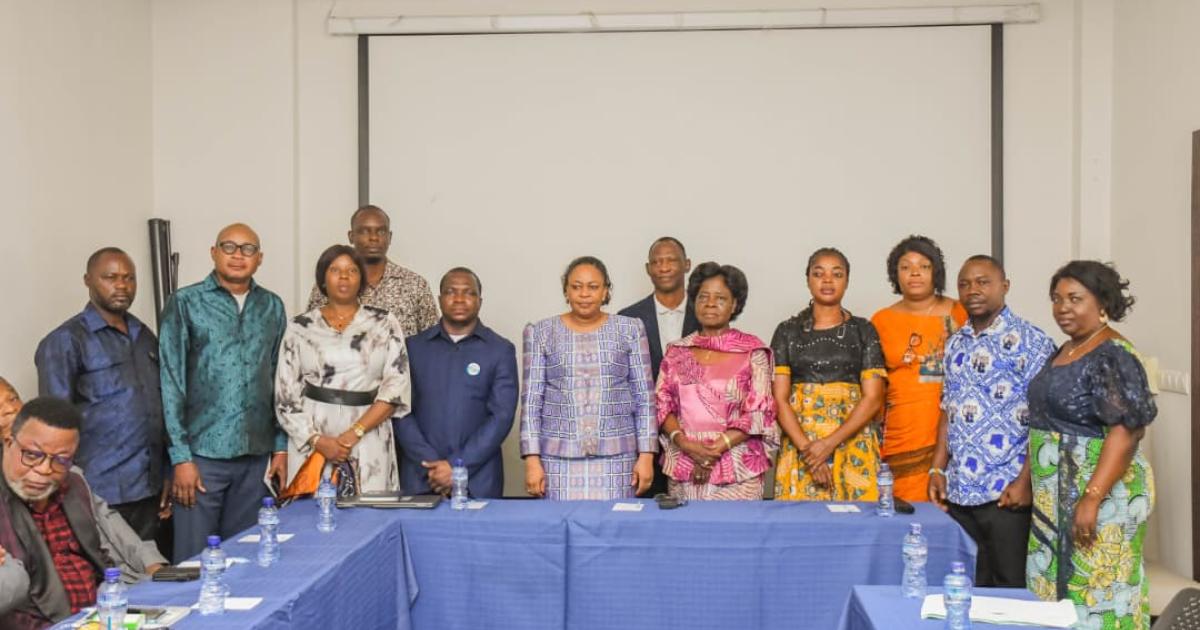
Micheline Ombae: RDC Launches Maputo Protocol Monitoring Framework
Summary
- Micheline Ombae Kalama, the Minister of Gender, Family and Child, launched the endorsement process for a national framework in Kinshasa.
- This framework is designed to monitor and evaluate the implementation of the Maputo Protocol in the Democratic Republic of Congo.
- The launch event took place on Tuesday, November 3, signifying a governmental commitment to women's rights.
- The Maputo Protocol is formally known as the Protocol to the African Charter on Human and Peoples' Rights on the Rights of Women in Africa.
- The initiative signals a renewed governmental commitment to upholding women's rights within the RDC, potentially leading to new legislation or enforcement.
Significant Initiative Launched in Kinshasa
For legal professionals and compliance officers operating within the Democratic Republic of Congo, this development warrants close attention.
A pivotal step towards strengthening women's rights in the Democratic Republic of Congo was recently undertaken in Kinshasa. On Tuesday, November 3, Micheline Ombae Kalama, who serves as the Minister of Gender, Family and Child, formally inaugurated the process for endorsing a new national framework. This framework is specifically designed for the ongoing monitoring and evaluation of the implementation of the Maputo Protocol within the nation.
This launch signifies a concrete move by the Congolese government to establish a structured mechanism for accountability and progress regarding the rights enshrined in the Protocol. The event marked the commencement of efforts to solidify a system that will track how effectively the Maputo Protocol is being put into practice across the country, ensuring its principles translate into tangible improvements for women.
The Minister's leadership in initiating this endorsement work underscores the current administration's focus on gender equality and family welfare. By setting up this dedicated framework, the RDC aims to systematically address the challenges in implementing the Protocol and to measure the impact of its provisions on the lives of Congolese women.
The Maputo Protocol's Mandate
The Maputo Protocol, officially known as the Protocol to the African Charter on Human and Peoples' Rights on the Rights of Women in Africa, stands as a crucial international instrument for advancing women's rights across the continent. Adopted in Maputo, Mozambique, in 2003, it builds upon the broader African Charter on Human and Peoples' Rights, providing a comprehensive legal framework that addresses a wide array of issues pertinent to women.
This significant document covers fundamental aspects such as the right to life, integrity, dignity, and protection from violence, as well as rights related to marriage, divorce, and family life. It also champions women's participation in political and decision-making processes, their economic empowerment, and access to health services, including reproductive health. For the Democratic Republic of Congo, adherence to and effective application of the Maputo Protocol is vital for upholding its commitments to international human rights standards.
The establishment of a national monitoring and evaluation framework is therefore a direct response to the imperative of ensuring that the principles and provisions of this African Charter on Women's Rights are not merely theoretical but are actively integrated into national policies and practices. It reflects a recognition that robust domestic mechanisms are essential for translating international obligations into local realities.
Forward-Looking Implications for the RDC
The introduction of this national monitoring and evaluation framework for the Maputo Protocol application in the RDC carries substantial implications for the country's legal and social landscape. This initiative, spearheaded by Minister Micheline Ombae Kalama, clearly signals a renewed governmental commitment to the full implementation of the Protocol's provisions, moving beyond mere ratification to active enforcement and assessment.
For legal professionals and compliance officers operating within the Democratic Republic of Congo, this development warrants close attention. The operationalization of this framework could foreseeably lead to the drafting of new domestic legislation, significant policy changes, or an increase in enforcement actions related to women's rights. Such shifts would inevitably impact legal interpretations, requiring updated compliance strategies and potentially influencing future litigation.
This structured approach to monitoring the Protocole de Maputo application RDC is poised to create a more accountable environment for women's rights. It provides a mechanism for identifying gaps in implementation, measuring progress, and ensuring that the rights guaranteed under the African Charter Women's Rights Congo are progressively realized, thereby fostering a more equitable society.
Practical Implications
Lawyers and compliance officers in the DRC should monitor the development and operationalization of this national framework, as it signifies a renewed governmental commitment to implementing the Maputo Protocol. This could lead to new domestic legislation, policy changes, or increased enforcement actions related to women's rights, impacting legal interpretations and potential litigation strategies.
Source
How does this affect you?
Get an AI analysis of this article grounded in your jurisdictions, practice areas, and any policy documents you've uploaded to Wansom.
Wansom is AI and can make mistakes.