
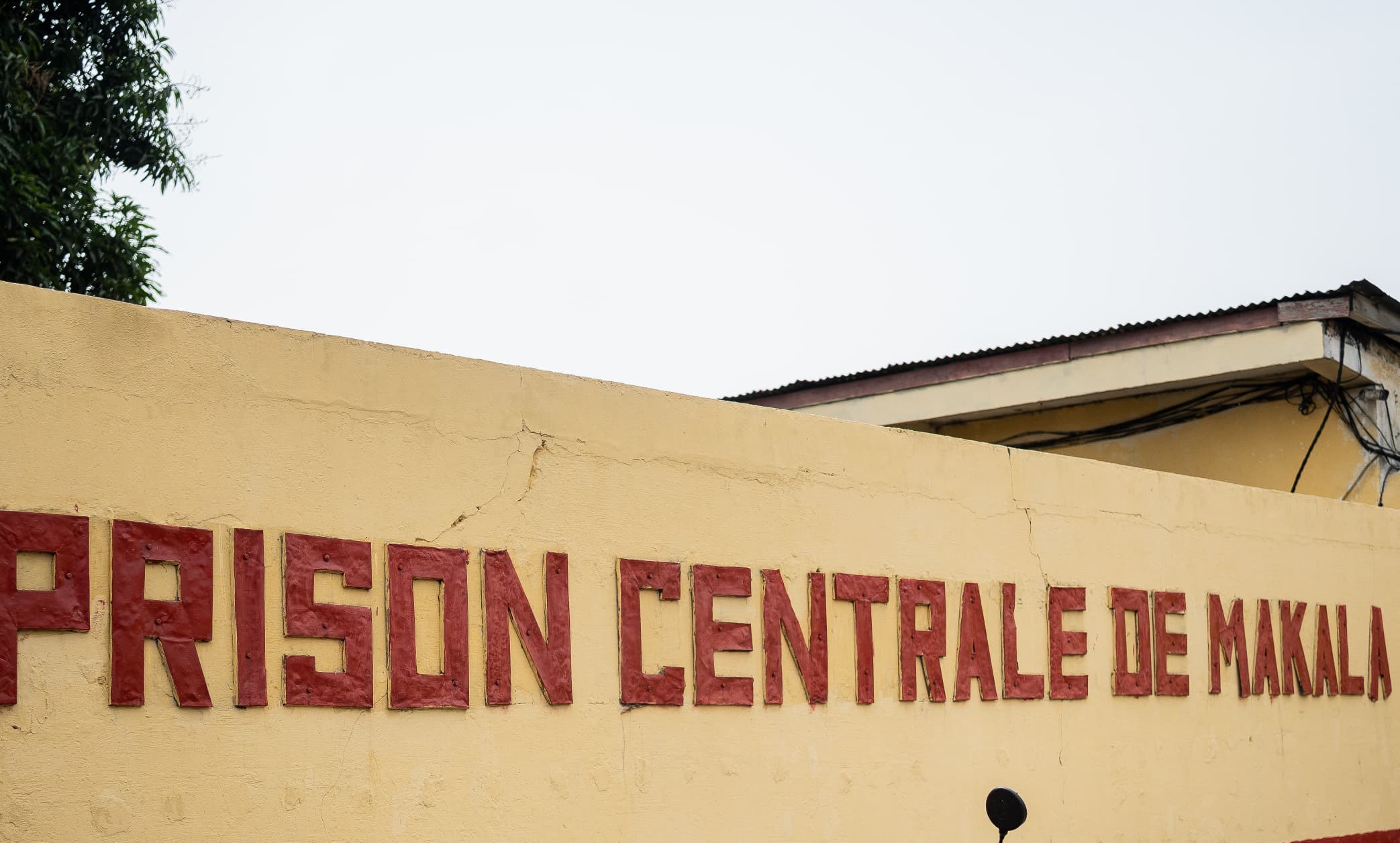
DRC Justice Minister Ngefa: Makala Prison Decongestion Efforts Begin
Summary
- DRC Justice Minister Guillaume Ngefa announced urgent measures on October 15 to decongest Makala central prison in Kinshasa.
- The prison, designed for 1,500 inmates, currently holds over 16,000 detainees.
- Key among the measures is the evaluation of detainees for humanitarian release, which must follow legal procedures.
- The announcement followed a direct visit by the minister to the severely overcrowded facility.
- These actions aim to improve detention conditions and address the critical humanitarian situation at Makala prison.
Urgent Measures for Makala Prison Overcrowding
Makala central prison, designed to accommodate approximately 1,500 inmates, is currently housing more than 16,000 detainees, representing an overcrowding rate exceeding 1,000 percent.
The Democratic Republic of Congo's Justice Minister, Guillaume Ngefa, announced a series of urgent measures on Thursday, October 15, aimed at alleviating the severe overcrowding and improving the dire detention conditions at Kinshasa's central Makala prison. This significant declaration followed a direct visit by the minister to the facility, underscoring the critical nature of the situation within one of the nation's most prominent correctional institutions.
The primary focus of these immediate actions is to evaluate detainees who may be eligible for release on humanitarian grounds. Minister Ngefa specifically requested a thorough assessment of these individuals, emphasizing that any such releases must strictly adhere to established legal procedures. This initiative seeks to address the staggering disparity between the prison's intended capacity and its current population, a challenge that has long plagued the Congolese justice system.
The Scale of the Crisis and Legal Framework
Makala central prison, designed to accommodate approximately 1,500 inmates, is currently housing more than 16,000 detainees, representing an overcrowding rate exceeding 1,000 percent. This extreme congestion highlights a profound humanitarian crisis within the DRC's correctional system and necessitates immediate intervention, as acknowledged by the Justice Minister's recent pronouncements.
The directive for humanitarian release evaluations is rooted in existing legal provisions that allow for the provisional or early release of certain detainees under specific circumstances, often related to health, age, or other compassionate considerations. The insistence on respecting legal procedures ensures that while the goal is decongestion, the rule of law and due process are maintained, preventing arbitrary releases and upholding the integrity of the judicial system in Congo prison conditions reform efforts.
Implications for Justice and Human Rights
The announcement by DRC Justice Minister Guillaume Ngefa regarding Makala prison decongestion carries substantial implications for human rights and the administration of justice in the country. The severe overcrowding not only strains resources but also creates an environment ripe for health crises, human rights abuses, and challenges to maintaining order and rehabilitation within the facility. Addressing this issue is a crucial step towards upholding the dignity of detainees and ensuring more humane treatment.
This move signals a potential shift in the government's approach to managing its correctional facilities, particularly in Kinshasa, where the problem is most acute. By prioritizing the evaluation of DRC humanitarian release detainees, the ministry is taking a tangible step towards mitigating the immediate pressures on Makala prison, potentially setting a precedent for similar actions in other overcrowded facilities across the nation and contributing to broader Congo prison conditions reform.
Practical Implications
Lawyers representing detainees in Makala prison should monitor the implementation of these announced decongestion measures, particularly the criteria for humanitarian releases, as it may present opportunities for their clients to benefit from early release or improved detention conditions. Compliance officers should be aware of potential shifts in legal procedures related to detention and release in the DRC.
Source
How does this affect you?
Get an AI analysis of this article grounded in your jurisdictions, practice areas, and any policy documents you've uploaded to Wansom.
Finish Reading the Full Story and the Expert Analysis.
Get the latest legal & regulatory intelligence in DR Congo
Wansom is AI and can make mistakes.