
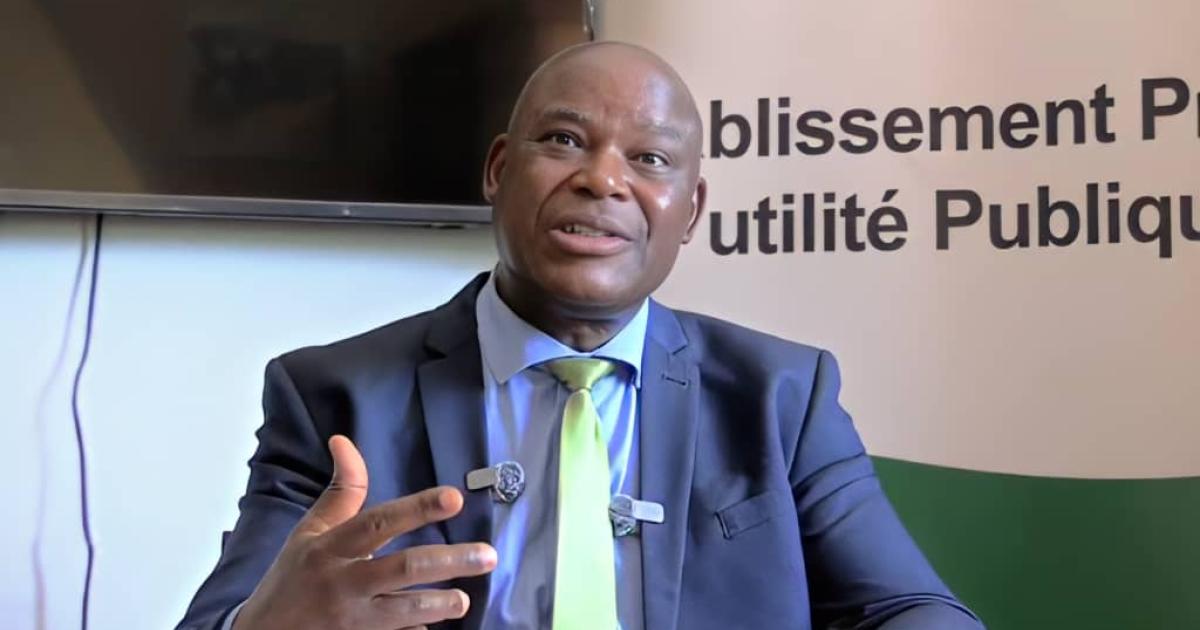
Hubert Tshiswaka: Condemns Joseph Kabila Over RDC Violence
Summary
- Hubert Tshiswaka Masoka, Président Général of the Institut de recherche en droits humains (IRDH), condemned armed violence in the Democratic Republic of Congo.
- Speaking from Lubumbashi on Friday, Tshiswaka specifically denounced the use of force against the nation itself.
- He directly called upon Joseph Kabila to address the violence being perpetrated against the Congolese people.
- The IRDH is a civil society organization based in the Katanga region, actively working on human rights in the DRC.
- This condemnation highlights ongoing human rights concerns and political instability within the country.
What Happened
The call for an end to violence contre son propre peuple is a fundamental plea for adherence to international human rights standards and for political leaders to prioritize the well-being of their constituents over conflict, ensuring that the population is not subjected to further suffering.
Hubert Tshiswaka Masoka, who serves as the Président Général for the Institut de recherche en droits humains (IRDH), publicly denounced the use of armed violence within the Democratic Republic of Congo. Speaking from Lubumbashi on Friday, Tshiswaka, whose organization is a civil society entity rooted in the Katanga region, specifically condemned the deployment of force against the nation itself. His remarks underscored a growing concern over internal conflict and the methods employed in political disputes, emphasizing the destructive impact of such actions on the country's fabric.
In his strong statement, Tshiswaka Masoka directly challenged Joseph Kabila, urging him to address the issue of violence perpetrated against the Congolese populace. This interpellation highlights the perceived role of political leadership in either condoning or preventing such actions, placing responsibility squarely on the former head of state. The condemnation from a prominent figure in the Katanga société civile emphasizes the widespread impact of violence armée RDC and the urgent need for accountability and peace, reflecting the deep anxieties within civil society regarding the state of national security and human dignity.
Human Rights and Political Stability
The condemnation issued by Hubert Tshiswaka, a leading voice in droits humains RDC, brings into sharp focus the persistent challenges to human rights and political stability within the Democratic Republic of Congo. The Institut de recherche en droits humains IRDH, under Tshiswaka's leadership, plays a critical role in monitoring and advocating against abuses, particularly the violence armée RDC that destabilizes communities and undermines democratic processes. Such public statements from civil society leaders are vital in drawing attention to the plight of citizens affected by conflict and in demanding adherence to national and international legal frameworks designed to protect human life and dignity.
This incident underscores the ongoing struggle for peace and the protection of fundamental freedoms in a region frequently marred by political unrest and internal strife. The direct appeal to Joseph Kabila by Hubert Tshiswaka signifies the deep-seated concerns regarding the state's responsibility to protect its citizens and uphold the rule of law, especially concerning the actions of armed groups or state actors. The call for an end to violence contre son propre peuple is a fundamental plea for adherence to international human rights standards and for political leaders to prioritize the well-being of their constituents over conflict, ensuring that the population is not subjected to further suffering.
Implications for the DRC
The public condamnation violence politique RDC by Hubert Tshiswaka carries significant weight, signaling continued instability and human rights challenges that demand international attention and robust responses. For legal professionals advising on investment, human rights, or political risk in the region, such pronouncements are crucial indicators of the operational environment, highlighting areas of potential concern and the need for due diligence. The involvement of a Katanga société civile organization like the Institut de recherche en droits humains IRDH demonstrates the active role local groups play in advocating for change and holding power accountable, often at great personal risk.
The persistent issue of violence armée RDC and the direct challenge to Joseph Kabila by Hubert Tshiswaka highlight the complex political landscape where past and present leadership dynamics intersect with ongoing security concerns. This situation necessitates thorough risk assessments for any entities operating within or considering engagement with the DRC, as political stability remains a fragile commodity and human rights violations continue to be reported. The ongoing advocacy for droits humains RDC by organizations like IRDH is a testament to the resilience of civil society in the face of adversity, yet it also points to the severe pressures and dangers faced by the population, making the call for peace and justice all the more urgent.
Practical Implications
This article highlights ongoing human rights advocacy and political stability concerns in the DRC, which lawyers advising on investment, human rights, or political risk in the region should consider for client risk assessments and potential advocacy strategies.
Source
How does this affect you?
Get an AI analysis of this article grounded in your jurisdictions, practice areas, and any policy documents you've uploaded to Wansom.
Finish Reading the Full Story and the Expert Analysis.
Get the latest legal & regulatory intelligence in DR Congo
Wansom is AI and can make mistakes.