
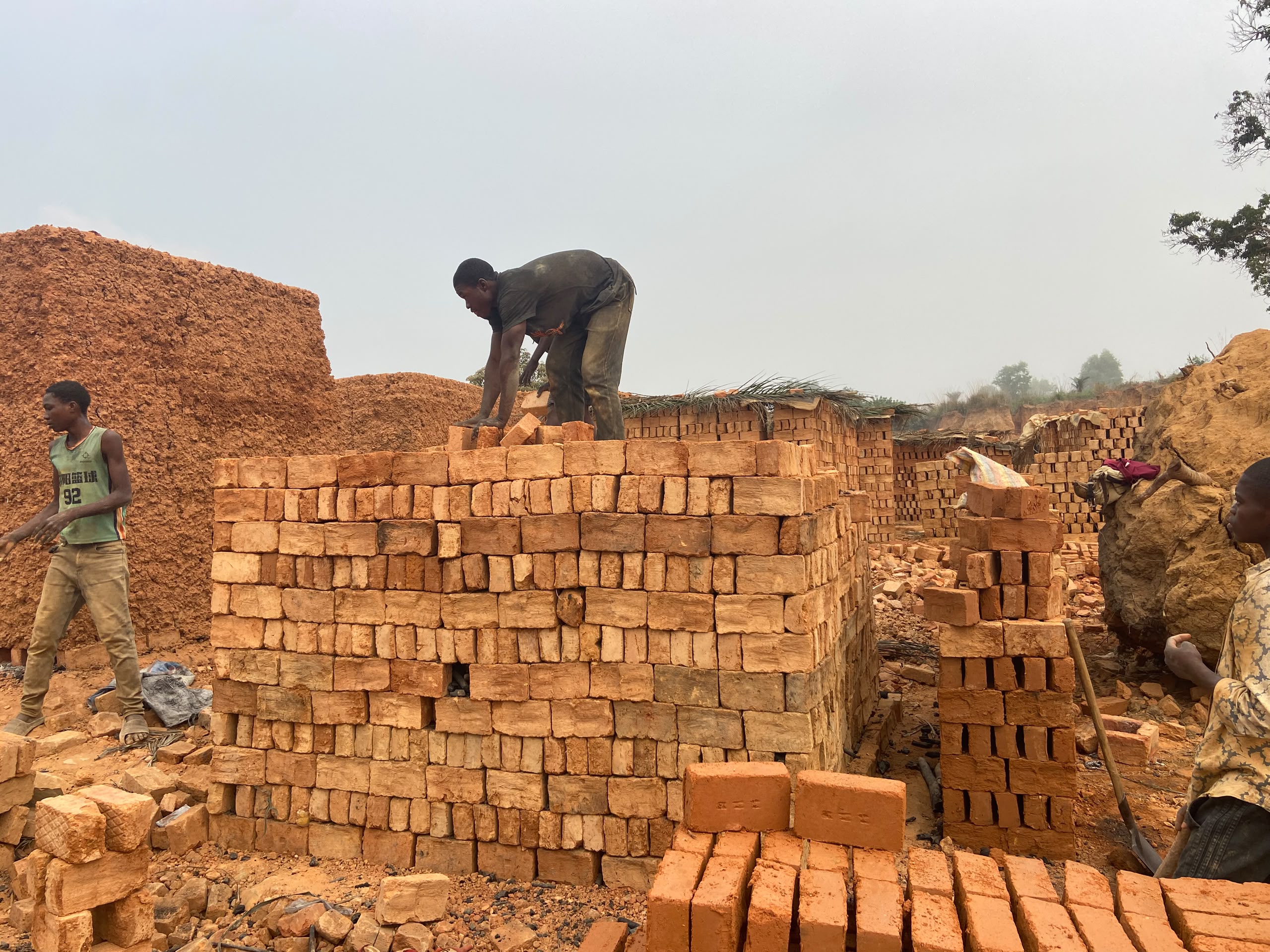
Dibaya Civil Society: Launches Child Labor Stone Quarries Campaign
Summary
- A campaign against child labor in stone quarries began on October 13 in Dibaya, Kasai-Central, led by civil society organizations.
- The initiative targets construction site managers and child workers, reminding them of legal protections for minors.
- Campaign activities include direct engagement at the ISTM site in Bena Mvila, near Tshimbulu, to address child exploitation.
- Civil society insists on enforcing the DRC's child protection law, demanding employers stop hiring children during school hours.
- Martin Mutela of Debout Congolais pour le Développement Durable highlighted the campaign's goal to reduce school absenteeism and protect children from dangerous work.
Campaign Against Child Labor Launched
By ensuring that children are enrolled in school and are adequately protected from such exploitation, the campaign endeavors to secure a healthier, safer, and ultimately more promising future for the youth of Dibaya.
Civil society organizations operating in Dibaya, a territory situated within the Kasai-Central province, have initiated a significant campaign aimed at eradicating child labor within the region's stone quarries. This Dibaya child labor stone quarries campaign commenced on Tuesday, October 13, and is specifically designed to engage both construction site managers and the children themselves who are currently involved in hazardous work. The core objective is to raise awareness regarding the profound negative impacts of child exploitation and to reinforce the existing legal protections intended for minors.
The campaign's activities are primarily centered at the ISTM site, which is located within the Bena Mvila group, approximately five kilometers from the town of Tshimbulu. Representatives from various civil society groups have adopted a direct, on-the-ground engagement strategy. They are actively visiting these operational sites to conduct discussions with both the operators managing the quarries and the young individuals employed there. This direct interaction is a crucial component of their strategy to confront the widespread issue of child exploitation, which is particularly prevalent in both the traditional brick-making and stone-crushing operations across this part of Kasai-Central.
Legal Framework and Enforcement
A fundamental aspect of this ongoing initiative involves explicitly reminding construction site managers of their legal obligations under the Democratic Republic of Congo's comprehensive child protection legislation. During these direct engagements with site personnel, the specific provisions of the loi protection de l'enfant RDC are thoroughly reviewed and emphasized, highlighting the robust legal framework established to safeguard children's rights and ensure their well-being. This focused approach on DRC child labor law enforcement underscores the gravity of employing minors in such inherently dangerous and physically demanding environments.
Civil society advocates are particularly insistent that local employers must immediately cease the practice of hiring children, especially during official school hours. Their firm demand is rooted in the fundamental right of every child to receive an education, aiming to ensure that children are effectively present in classrooms, benefiting from learning, rather than being subjected to labor in quarries. This concerted push for compliance child labor Congo represents a direct and determined effort to enforce existing national laws and to prevent the continued exploitation des enfants Dibaya, thereby protecting their educational future.
Why This Initiative Matters
The overarching goal of the Dibaya child labor stone quarries campaign, as articulated by Martin Mutela, who serves as the territorial coordinator for the organization Debout Congolais pour le Développement Durable, is multifaceted and critical for the region's youth. The initiative primarily seeks to combat the pervasive problem of school absenteeism, which is a direct and alarming consequence of children being engaged in labor rather than attending educational institutions. More critically, the campaign aims to physically remove children from dangerous construction sites and stone quarries, environments that inherently pose severe threats to their physical health, safety, and long-term developmental prospects.
The widespread prevalence of Kasai-Central child labor in these hazardous industries not only deprives children of their fundamental right to education but also exposes them to significant and often life-altering risks. By ensuring that children are enrolled in school and are adequately protected from such exploitation, the campaign endeavors to secure a healthier, safer, and ultimately more promising future for the youth of Dibaya. This concerted effort by civil society organizations underscores the urgent need for strict adherence to national child protection laws and advocates for a fundamental societal shift away from practices that profoundly undermine the well-being and potential of the youngest members of the community.
Practical Implications
Lawyers advising businesses in the construction or extractive sectors in Dibaya, Kasai-Central, or similar regions in the DRC should ensure clients' employment practices and supply chains rigorously comply with the DRC's child protection laws. This campaign signals heightened scrutiny and potential enforcement risks for companies employing minors, particularly during school hours in hazardous environments like stone quarries.
Source
How does this affect you?
Get an AI analysis of this article grounded in your jurisdictions, practice areas, and any policy documents you've uploaded to Wansom.
Finish Reading the Full Story and the Expert Analysis.
Get the latest legal & regulatory intelligence in DR Congo
Wansom is AI and can make mistakes.