
Ituri Province: Over 10,000 Violences Basées Genre Cases in 2026
Summary
- Over 10,000 cases of gender-based violence have been reported in Ituri since January 2026, following more than 20,000 cases in 2025.
- These figures were released by the Provincial Division of Gender, Family, and Child during a forum in Bunia on October 14.
- Recurrent armed conflicts and sociocultural pressures are key factors contributing to women's vulnerability in the province.
- Women's representation in provincial decision-making bodies is under 10%, dropping to 3% in local security committees.
- A provincial action plan, based on UN Resolution 1325, was adopted to enhance women's participation in conflict resolution and peace processes.
Escalating Violence in Ituri
The Ituri province has recorded a significant number of gender-based violence (GBV) cases, with over 10,000 incidents documented since the beginning of 2026.
The Ituri province has recorded a significant number of gender-based violence (GBV) cases, with over 10,000 incidents documented since the beginning of 2026. This alarming figure follows a previous year where more than 20,000 cases were registered across the region in 2025, indicating a persistent and severe challenge.
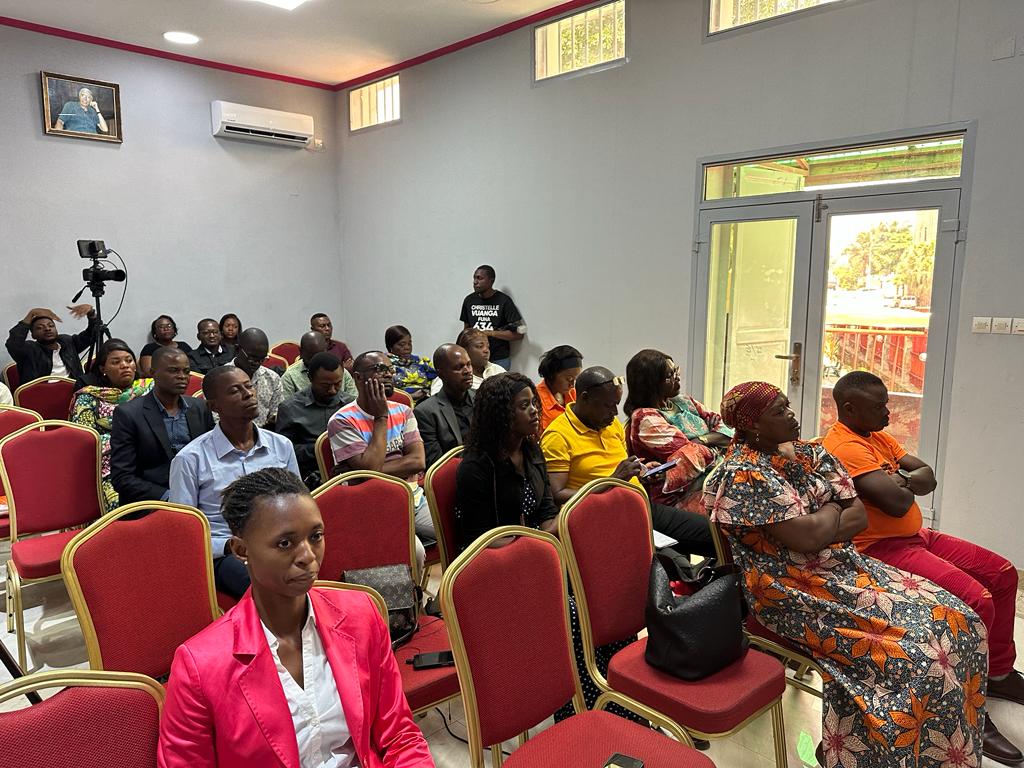
These critical statistics were officially released on Tuesday, October 14, by the Provincial Division of Gender, Family, and Child. The disclosure took place during a forum convened in Bunia, specifically dedicated to discussions on peace, security, and development within the province. The event served as a platform to highlight the ongoing crisis and its multifaceted impacts.
Deep-Rooted Challenges
A confluence of factors contributes to the precarious situation of women's rights in Ituri. Persistent armed conflicts are identified as a primary driver, alongside deeply entrenched sociocultural pressures that exacerbate vulnerabilities. Beyond direct physical and sexual assaults, the Provincial Division of Gender has also drawn attention to the limited involvement of women in local governance structures.
Data presented at the Bunia forum underscored this disparity, revealing that women's representation in provincial decision-making bodies does not exceed 10%. This figure plummets even further to a mere 3% within local security committees. Such minimal presence significantly curtails their ability to influence decisions related to conflict prevention and to actively contribute to resolving community tensions, thereby perpetuating a cycle of marginalization.
A Strategic Response to Inequity
In an effort to counter these adverse trends, participants at the recent forum concluded their discussions by establishing a dedicated framework for reflection. Crucially, they also adopted a comprehensive provincial action plan designed to address the identified challenges. This strategic initiative is firmly rooted in the principles outlined in UN Security Council Resolution 1325.
United Nations Resolution 1325 specifically advocates for enhanced female engagement in various critical areas. It calls for strengthening women's participation in the prevention and resolution of conflicts, as well as ensuring their meaningful involvement in all peace processes. The provincial plan aims to operationalize these global directives within the specific context of Ituri.
Positive Impact of Women's Engagement
Despite the formidable obstacles, the Provincial Division of Gender highlights encouraging local initiatives that demonstrate the profound efficacy of women's active involvement. These efforts, receiving support from MONUSCO, are particularly visible in the areas surrounding Bunia and throughout the southern territory of Irumu.
These localized interventions have proven instrumental in fostering inter-community rapprochement and successfully restoring social cohesion in challenging environments. The positive outcomes underscore the vital role women play in peacebuilding and conflict mitigation, even amidst ongoing constraints.
Source
How does this affect you?
Get an AI analysis of this article grounded in your jurisdictions, practice areas, and any policy documents you've uploaded to Wansom.
Finish Reading the Full Story and the Expert Analysis.
Get the latest legal & regulatory intelligence in DR Congo
Wansom is AI and can make mistakes.