
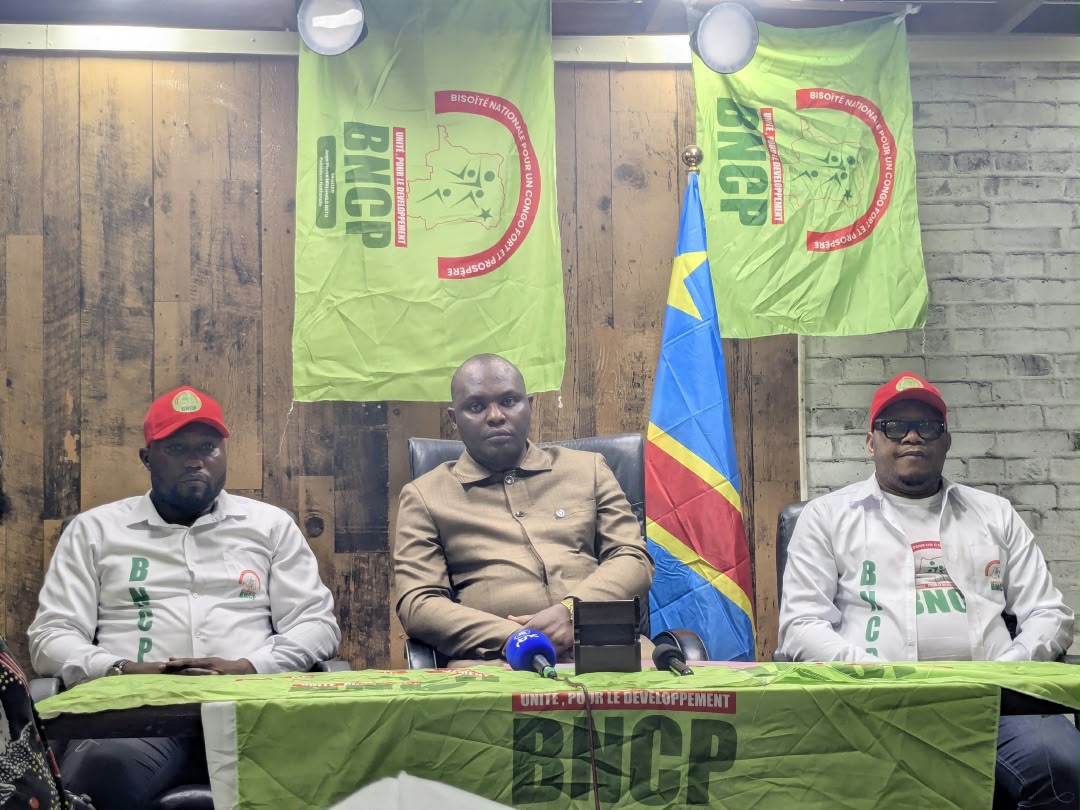
DR Congo: BNCFP Proposes Senate, Provincial Assembly Suppression
The Bisoïté nationale pour un Congo fort et prospère (BNCFP) political party, in the Democratic Republic of Congo, proposed the suppression of the Senate and Provincial Assemblies on September 1st in Kinshasa, as part of its contributions to the national dialogue initiated by President Félix-Antoine Tshisekedi Tshilombo. During a press conference, the BNCFP presented several institutional and political reform proposals, with the abolition of these legislative bodies being a prominent and far-reaching suggestion. This move signals a desire for significant structural changes within the DRC's governance framework, aligning with the broader national dialogue aimed at addressing various national issues.
This proposal carries substantial legal significance for practitioners, businesses, and the public alike. If seriously considered and pursued, the suppression of the Senate and Provincial Assemblies would necessitate profound constitutional amendments and a complete restructuring of the DRC's legislative and administrative architecture. For legal professionals, this signals potential shifts in legislative processes, the distribution of power between central and provincial governments, and the very nature of political representation. Businesses operating in the DRC would need to monitor such reforms closely, as they could impact regulatory frameworks, local governance, taxation, and the overall stability of the political and legal environment, potentially leading to a more centralized or streamlined decision-making process.
The DRC operates under a semi-presidential system with a bicameral parliament, comprising the National Assembly and the Senate, as established by the Constitution of February 18, 2006. Provincial Assemblies are also constitutionally mandated bodies, representing the legislative power at the provincial level and playing a crucial role in decentralization. Any move to suppress these institutions would require a rigorous constitutional revision process, typically involving a vote by a three-fifths majority of both chambers of Parliament or a national referendum, as outlined in Articles 218-220 of the Constitution. The current structure is designed to ensure checks and balances, regional representation, and a degree of decentralization.
Key parties involved in this development include the Bisoïté nationale pour un Congo fort et prospère (BNCFP) political party, which put forth the proposals, and President Félix-Antoine Tshisekedi Tshilombo, who initiated the national dialogue. Other significant stakeholders would include other political parties, civil society organizations, and the legislative bodies themselves (the Senate and Provincial Assemblies), whose very existence is being questioned. The ultimate decision-makers in any constitutional reform process would be the Parliament and, potentially, the Congolese electorate.
Attorneys should closely follow developments related to the national dialogue and any proposed constitutional reforms, particularly those impacting the legislative structure. Understanding the procedures for constitutional amendment and the potential implications for legislative drafting, provincial autonomy, administrative law, and the balance of power will be crucial. Businesses should assess how such institutional changes might affect their operational environment, particularly regarding local regulations, taxation, and engagement with governmental bodies. It is important to note that these are currently proposals, and the outcome of this matter, including whether these specific suggestions will be adopted or even seriously debated, is not yet reported.
How does this affect you?
Get an AI analysis of this article grounded in your jurisdictions, practice areas, and any policy documents you've uploaded to Wansom.
Finish Reading the Full Story and the Expert Analysis.
Wansom is AI and can make mistakes.