
RDC ARE BAD: Validate Tarifs Électricité Outils for DRC Sector
Summary
- The Autorité de régulation du secteur de l’électricité (ARE) and the Banque africaine de développement (BAD) validated three key regulatory tools on September 25, 2026, in Kinshasa.
- These tools include a service cost study, a tariff methodology, and a connection code for the DRC's electricity sector.
- The initiative aims to further structure and enhance the regulation of electricity tariffs and grid access in the Democratic Republic of Congo.
- The new methodology for electricity tariffs in the DRC is expected to bring greater transparency and predictability to pricing.
- The connection code will standardize procedures for connecting new users to the electricity grid, facilitating expansion and access.
Key Regulatory Milestones Achieved
Legal professionals advising entities within the DRC's energy sector must now meticulously examine these newly validated instruments.
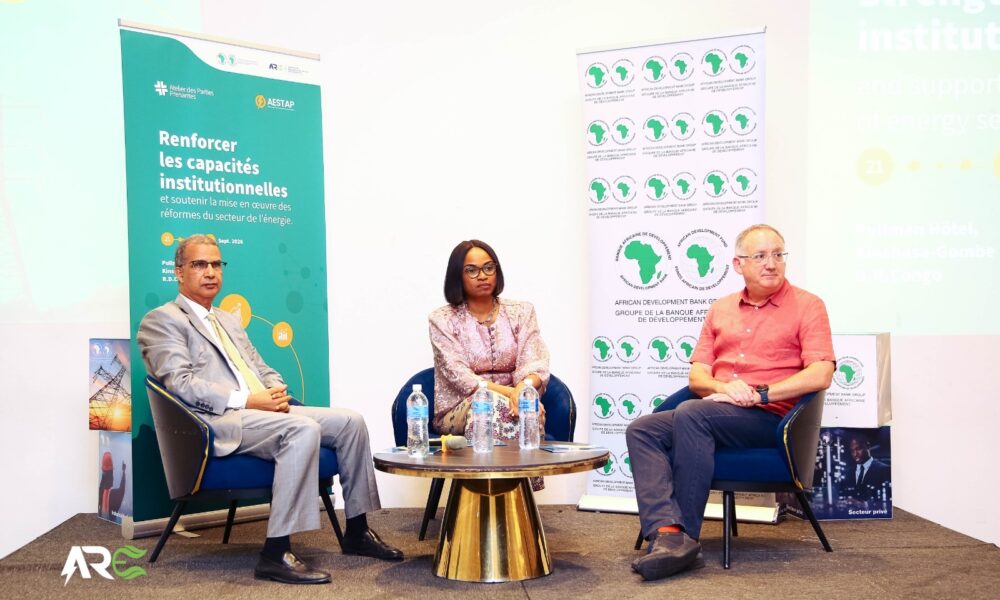
A significant collaborative effort between the Autorité de régulation du secteur de l’électricité (ARE) and the Banque africaine de développement (BAD) culminated on Friday, September 25, 2026, in Kinshasa. This joint initiative successfully concluded a series of working sessions focused on developing and validating crucial instruments designed to enhance the regulatory framework of the Democratic Republic of Congo's electricity sector.
The outcome of these intensive sessions is the formal endorsement of three distinct but interconnected tools. These instruments are poised to introduce greater clarity and structure to the operational and financial aspects of electricity provision within the DRC. Their validation marks a pivotal step in the ongoing efforts to modernize and stabilize the nation's energy landscape.
The validated tools include a comprehensive service cost study, a detailed tariff methodology, and a robust connection code. Each of these components addresses a specific facet of electricity sector management, collectively aiming to foster a more transparent, equitable, and efficient environment for all stakeholders involved in the DRC's power industry.
Enhancing DRC Electricity Tariff Regulation
The newly validated instruments are set to fundamentally reshape how the electricity sector is regulated in the Democratic Republic of Congo, particularly concerning tariffs and infrastructure access. The service cost study provides an essential foundation by meticulously analyzing the actual expenses incurred in generating, transmitting, and distributing electricity. This data-driven approach is critical for establishing tariffs that are both economically viable for operators and fair for consumers, directly impacting the future of RDC ARE BAD tarifs électricité outils.
Complementing this, the new tariff methodology (méthodologie tarifaire électricité RDC) introduces a standardized and transparent framework for calculating and adjusting electricity prices. This methodology is expected to reduce arbitrariness in tariff setting, promoting predictability and investor confidence. It ensures that pricing decisions are based on objective criteria, reflecting the true cost of service delivery while also considering broader economic and social objectives within the DRC electricity tariff regulation landscape.
Finally, the connection code (code de raccordement RDC) establishes clear rules and procedures for connecting new users to the electricity grid. This tool is vital for expanding access to electricity and streamlining the process for both residential and industrial consumers. By standardizing technical requirements and administrative steps, the Autorité de régulation secteur électricité RDC aims to accelerate grid expansion and improve service reliability across the country, further solidifying the regulatory environment.
Implications for the Energy Sector
The validation of these regulatory tools by the ARE and the Banque africaine de développement RDC carries significant implications for all participants in the DRC's electricity sector. For energy companies, these tools will necessitate a thorough review of operational costs and pricing strategies to align with the new tariff methodology and service cost study. Compliance with the updated connection code will also be paramount for infrastructure development and customer integration.
Industrial consumers and investors, particularly those in energy-intensive industries, will need to carefully analyze the potential impact of these new RDC ARE BAD tarifs électricité outils on their operational expenditures and investment decisions. A more predictable and transparent tariff structure could offer greater certainty, but it also demands a proactive approach to understanding the new regulatory landscape. This enhanced regulatory framework is designed to foster a more stable and attractive environment for both domestic and international investment in the DRC's power infrastructure.
Legal professionals advising entities within the DRC's energy sector must now meticulously examine these newly validated instruments. Understanding the nuances of the service cost study, tariff methodology, and connection code is crucial for ensuring client compliance, assessing financial implications, and preparing for any potential shifts in operational costs or regulatory disputes. This development underscores a concerted effort to bring greater order and efficiency to the nation's vital electricity supply.
Practical Implications
Lawyers advising energy companies, industrial consumers, or investors in the DRC's electricity sector must analyze these newly validated tools (service cost study, tariff methodology, connection code) to ensure compliance, assess financial implications, and prepare for potential changes in operational costs or regulatory disputes.
Source
Source: Original reporting via {source}
How does this affect you?
Get an AI analysis of this article grounded in your jurisdictions, practice areas, and any policy documents you've uploaded to Wansom.
Finish Reading the Full Story and the Expert Analysis.
Get the latest legal & regulatory intelligence in DR Congo
Wansom is AI and can make mistakes.