
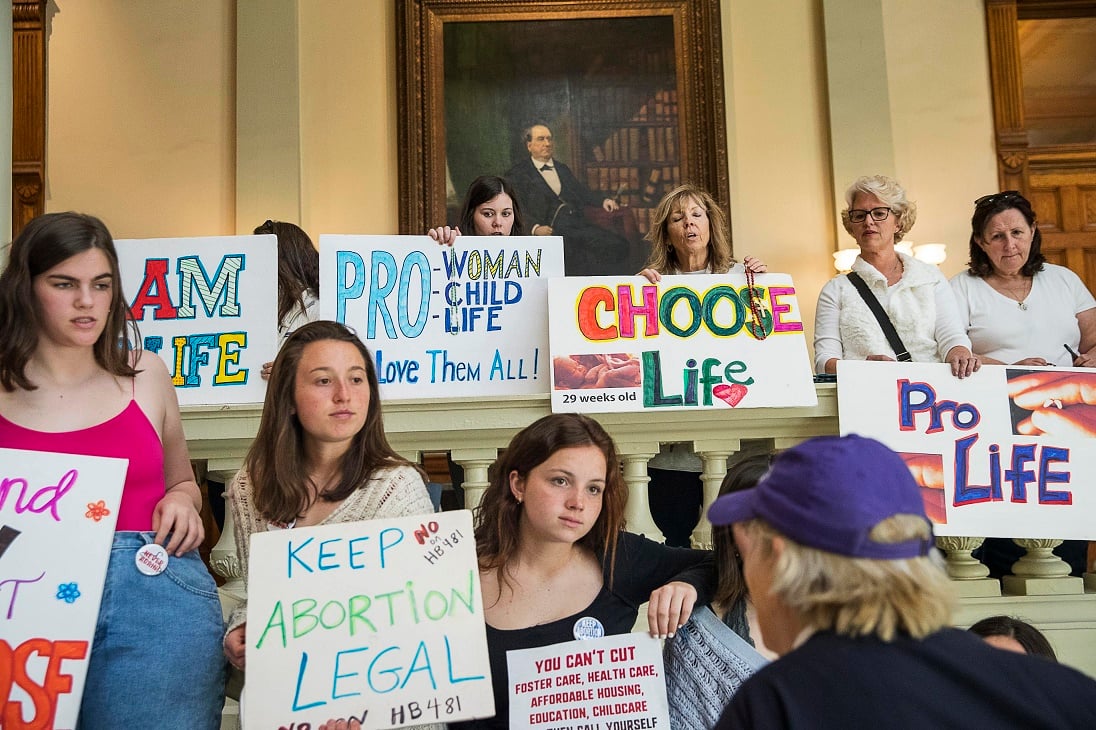
Don Blythe: San Diego School Speech Buffer Zone Challenge Filed
Summary
- Anti-abortion activist Don Blythe is challenging a San Diego ordinance that restricts speech within 100 feet of school entrances and exits.
- Blythe's federal lawsuit alleges violations of his First and Fourteenth Amendment rights to demonstrate near Patrick Henry High School.
- His attorney argues the city has failed to provide sufficient evidence of actual disruption caused by such activities to justify the restrictions.
- U.S. District Judge Gonzalo Curiel questioned the city's lack of specific incidents or complaints regarding Blythe's conduct.
- The case highlights the significant evidentiary burden on municipalities defending First Amendment restrictions, particularly those creating school buffer zones.
San Diego's School Buffer Zone Ordinance Under Scrutiny
This legal challenge underscores the significant evidentiary burden municipalities face when defending ordinances that restrict First Amendment activity, particularly near schools.
An anti-abortion activist has initiated a federal lawsuit challenging a San Diego ordinance that restricts expressive activities near schools. Don Blythe, who has previously demonstrated across the state, is specifically contesting the city's regulations as they apply to educational institutions, arguing they infringe upon his constitutional rights. The legal action focuses on the city's updated 2024 ordinance, which establishes buffer zones limiting certain First Amendment activities within 100 feet of school entrances and exits.
Blythe's lawsuit, filed in federal court, asserts that the city's ordinance violates his First and Fourteenth Amendment rights to engage in demonstrations. He seeks to distribute pamphlets to high school students on public sidewalks adjacent to San Diego’s Patrick Henry High School as they depart for the day. His attorney, Michael Millen, contends that the city has failed to provide any substantive evidence demonstrating that Blythe's activities, or similar free speech actions, have caused actual disruption to students or school operations.
Evidentiary Burden in First Amendment Challenges
Central to the Don Blythe First Amendment lawsuit is the city's alleged inability to justify its restrictions with concrete evidence of harm. Millen argued before the court that the city's ordinance, which also covers medical facilities and places of worship, lacks a factual basis, describing the justifications as a "theoretical phantasm" rather than documented incidents. He highlighted that despite a year passing since previous legal proceedings, the city's only submission was a staff report that failed to identify any specific instances of harassment or obstruction caused by demonstrators.
Assistant City Attorney Michael Phelps defended the San Diego ordinance free speech schools provisions, stating that it does not eliminate First Amendment rights but rather regulates the manner of their exercise. Phelps emphasized the ordinance's purpose in managing ingress and egress at schools, where direct interruption or impediment could arise, particularly from activities like leafleting. However, U.S. District Judge Gonzalo Curiel, an appointee of Barack Obama, pressed both legal teams for more evidence, including relevant case law or documented incidents of harassment involving demonstrators. Judge Curiel specifically noted the city's failure to present a single objection, complaint, or report concerning Blythe's conduct, questioning whether this lack of evidence rendered the ordinance unconstitutional as applied to him, while also considering a common-sense interpretation regarding student safety.
Implications for San Diego School Speech Buffer Zone Challenge
The updated 2024 San Diego ordinance introduces several key provisions that are now part of this legal challenge. Within the 100-foot buffer zone on public property, individuals are prohibited from displaying signs or approaching others within eight feet to engage in conversation or distribute literature without explicit consent. Furthermore, the revised rules stipulate that anyone entering or exiting the protected zones must actively grant permission for demonstrators to interact with them, a shift from previous regulations.
This San Diego school speech buffer zone challenge underscores the significant evidentiary burden municipalities face when defending ordinances that restrict First Amendment activity, particularly near schools. The plaintiff's attorney characterized the new consent requirement as impractical, stating, "It’s not how the world of human interaction works." The ongoing scrutiny by Judge Curiel regarding the absence of specific incidents of disruption reinforces the principle that speech restrictions, even those intended to protect vulnerable populations like students, must be supported by a robust legislative record demonstrating actual harm, rather than speculative concerns.
Practical Implications
This case underscores the significant evidentiary burden municipalities face when defending ordinances that restrict First Amendment activity, particularly near schools. Lawyers advising local governments should ensure a robust legislative record demonstrating actual disruption, while those representing challengers can leverage this precedent regarding the lack of evidence required to justify such restrictions.
Source
Source: Original reporting via CN
How does this affect you?
Get an AI analysis of this article grounded in your jurisdictions, practice areas, and any policy documents you've uploaded to Wansom.
Finish Reading the Full Story and the Expert Analysis.
Wansom is AI and can make mistakes.