
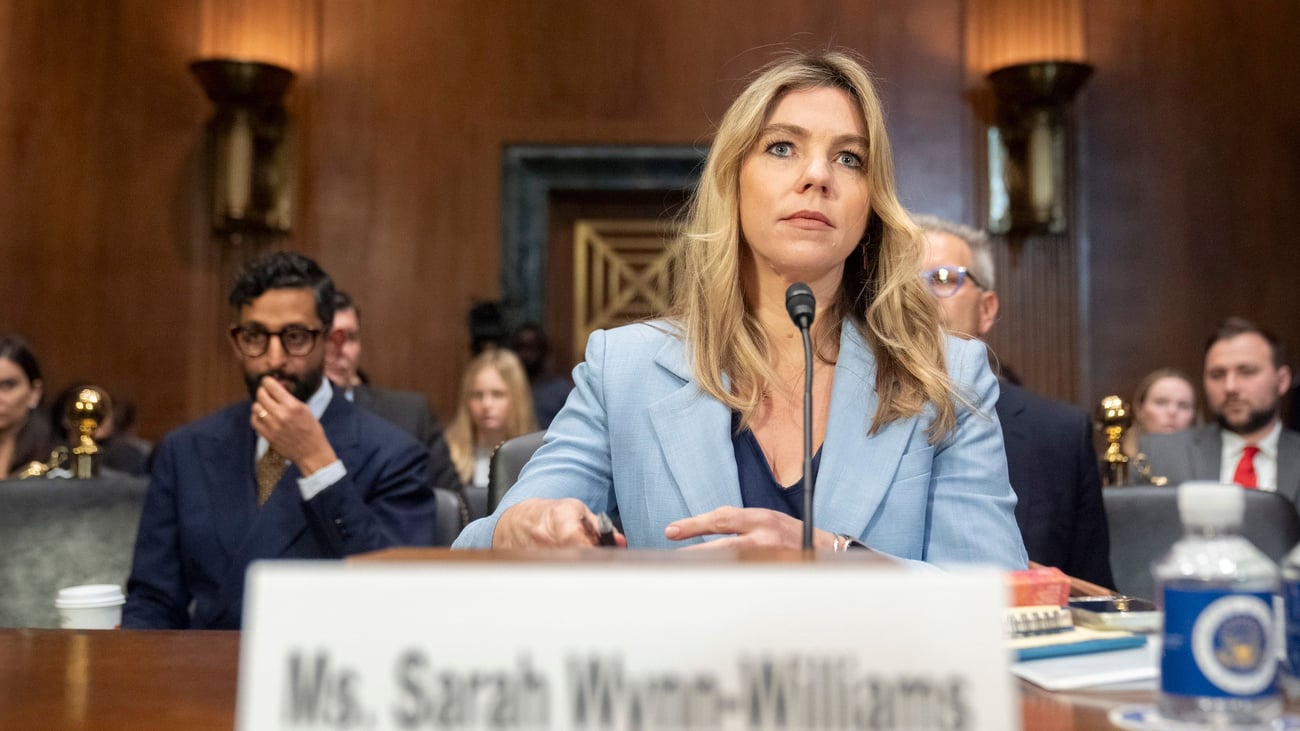
US Federal Court: Wynn-Williams Meta Arbitration Enforcement Ruling Upheld
Summary
- A federal judge denied former Facebook executive Sarah Wynn-Williams's request to vacate an interim arbitration award and halt arbitration with Meta.
- The dispute stems from Wynn-Williams's memoir, which Meta claims violates a severance agreement prohibiting book promotion and mandating arbitration.
- U.S. District Judge Araceli Martínez-Olguín ruled that Wynn-Williams waived her right to object to arbitration by participating in the process for 15 months before filing her lawsuit.
- The court emphasized its general disfavor for intervening in ongoing arbitration proceedings.
- Wynn-Williams received $780,000 in severance, and the agreement included a non-promotion clause for her book.
Genesis of a Legal Battle
The court's emphasis on the arbitrability waiver by participation serves as a critical precedent, indicating that engaging in arbitration for an extended period, even while expressing some objections, can be interpreted as an acceptance of the forum.
Sarah Wynn-Williams, a former director of Global Public Policy at Facebook, has been ordered to continue her arbitration proceedings with Meta Platforms Inc., following a federal judge's decision. The dispute centers on her recently published memoir, "Careless People: A Cautionary Tale of Power, Greed, and Lost Idealism," which details her experiences at the tech giant. Wynn-Williams, who began her tenure as a company lawyer in 2011, released the book in March 2025. It recounts her observations on Facebook's alleged failure to adequately invest in staff and resources, which she suggests may have exacerbated tensions in Myanmar, and claims about Mark Zuckerberg's purported willingness to grant the Chinese Communist Party access to user data in exchange for market entry. She also alleges experiencing repeated sexual harassment by executives, which she did not report due to fears of reprisal.
Wynn-Williams was ultimately terminated after an internal Facebook investigation concluded that no misconduct had occurred among the employees she accused. Upon her departure, she received a severance payment of $780,000, contingent on an agreement that included a non-promotion clause for her book and a mandate for arbitration in case of disputes. After the memoir's publication, Meta initiated arbitration, asserting that Wynn-Williams's disclosures, particularly regarding sexual harassment, violated the terms of her severance agreement. Despite Meta's earlier unsuccessful attempts to block the book's release, an emergency arbitrator subsequently issued a broad "interim award." Wynn-Williams contended that this award unduly restricted her freedom of speech and ability to work, and she claimed it permitted Meta to monitor and penalize her actions irrespective of their connection to the book. In response, she filed a counter-demand within the arbitration, alleging Meta had breached the severance agreement by disparaging her.
Judicial Intervention Denied
Seeking to challenge the ongoing arbitration, Wynn-Williams filed a lawsuit in federal district court in June, aiming to vacate the interim arbitration award and halt the proceedings. However, U.S. District Judge Araceli Martínez-Olguín, a Joe Biden appointee, rejected these requests. In a 21-page ruling, Judge Martínez-Olguín denied Wynn-Williams’s motion to vacate the interim award and also her request for a preliminary injunction to stop the arbitration. Instead, the court granted Meta's motion to compel arbitration, effectively staying the federal case and mandating that the dispute continue through the agreed-upon arbitration process.
Central to Judge Martínez-Olguín's decision was the principle that "mid-arbitration intervention is disfavored." The court found that Wynn-Williams had, through her actions, waived her right to object to the arbitrability of the dispute. The judge highlighted that Wynn-Williams had participated in the arbitration for approximately 15 months and had received adverse rulings before initiating her lawsuit in district court. This extensive engagement, according to the ruling, constituted "a series of acts inconsistent with the right to proceed in another forum." While Wynn-Williams maintained that she had consistently objected to the arbitrability of this dispute from its inception, the court's review of the record concluded that her objections were "neither as clear nor as consistent as she contends." This finding underscored the court's view that her prolonged participation undermined her later challenge to the arbitration's legitimacy.
Reinforcing Arbitration's Authority
The ruling by Judge Martínez-Olguín reinforces the significant hurdles individuals face when attempting to challenge arbitration agreements, particularly after having actively participated in the arbitration process. The court's emphasis on the arbitrability waiver by participation serves as a critical precedent, indicating that engaging in arbitration for an extended period, even while expressing some objections, can be interpreted as an acceptance of the forum. This decision highlights the judiciary's strong disinclination to intervene in ongoing arbitration proceedings unless there are exceptionally clear and consistently maintained objections to the arbitration's fundamental legitimacy from the outset.
For former employees like Sarah Wynn-Williams, who enter into severance agreements containing non-promotion clauses and mandatory arbitration, the ruling underscores the binding nature of such contracts. The court's decision effectively compels Wynn-Williams to continue the Wynn-Williams Meta arbitration enforcement ruling process, despite her claims regarding the interim award's impact on her speech and work. A Meta spokesperson, commenting after Wynn-Williams filed her complaint in June, stated that she was using the legal process "to sell books," asserting that an arbitrator had already determined her actions violated the agreement signed when she accepted a substantial severance payment. While court challenges were ongoing for two years, both parties continued settlement discussions and arbitration, indicating the complex and protracted nature of such disputes. The Judge Martínez-Olguín arbitration intervention ruling solidifies the path forward for this particular Meta Platforms Inc. arbitration.
Practical Implications
This ruling reinforces the difficulty of challenging arbitration agreements and non-disclosure clauses in severance packages, especially after a party has participated extensively in the arbitration process. Lawyers advising clients on employment contracts or post-employment disputes should note the court's strong disfavor of mid-arbitration intervention and the critical importance of timely and consistently raising objections to arbitrability.
Source
How does this affect you?
Get an AI analysis of this article grounded in your jurisdictions, practice areas, and any policy documents you've uploaded to Wansom.
Finish Reading the Full Story and the Expert Analysis.
Wansom is AI and can make mistakes.