
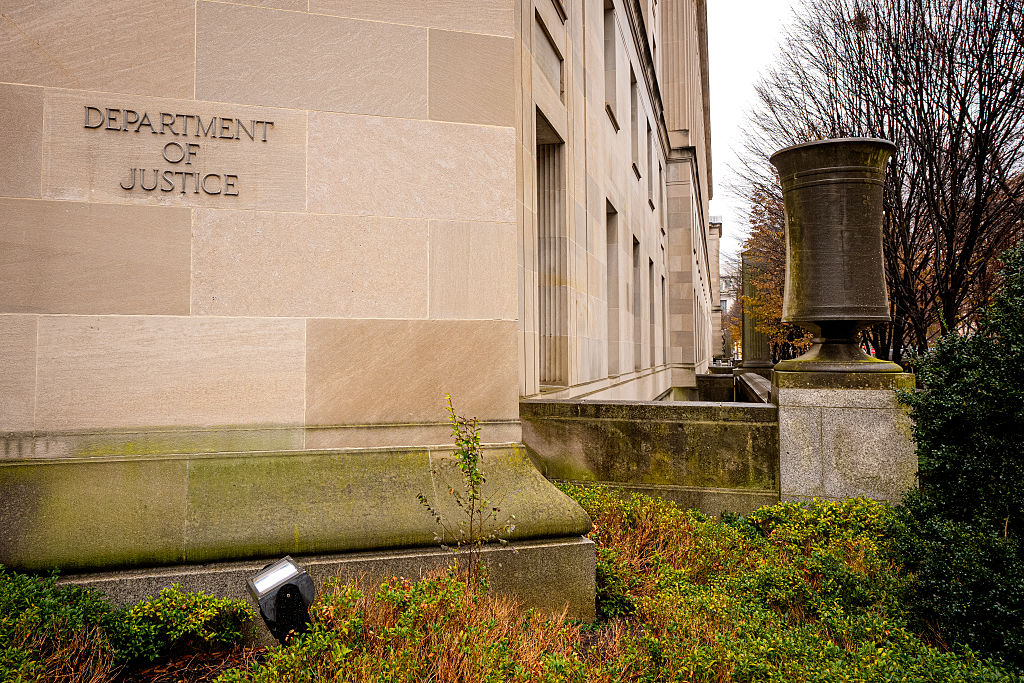
DOJ Lawyers AI Discipline: Two Referred for Bar Action
Summary
- The U.S. Department of Justice's Office of Professional Responsibility referred two attorneys for potential bar discipline.
- The referrals stem from the attorneys' use of artificial intelligence in their professional duties.
- Misconduct included disclosing confidential documents to a public AI platform.
- Attorneys also made misleading statements to a judge about AI-generated errors in a court filing.
- The cases have been sent to the DOJ's Professional Misconduct Review Unit, which can recommend actions to state bar authorities.
Federal Attorneys Face AI Discipline Referrals
As AI tools become more sophisticated and prevalent, lawyers and compliance officers must immediately review their internal policies and practices regarding the use of AI tools, particularly concerning client confidentiality and the verification of AI-generated content, to mitigate the risk of professional misconduct and disciplinary action.
The U.S. Department of Justice's internal ethics watchdog, the Office of Professional Responsibility (OPR), recently announced that it has referred two of its attorneys for potential bar discipline. This significant development, revealed on a Tuesday, stems directly from the lawyers' utilization of artificial intelligence tools in the course of their professional duties. The OPR, tasked with overseeing the ethical conduct of DOJ personnel, initiated these referrals following an internal review of the attorneys' practices.
This action by the OPR underscores a growing concern within the legal community regarding the responsible integration of advanced technologies. While the names of the individuals involved have not been publicly disclosed, the referral signals a serious view of the alleged misconduct. The cases highlight the critical need for legal professionals, particularly those handling sensitive government information, to exercise extreme caution when employing AI in their daily work.
Specific Misconduct Allegations
The alleged professional conduct issues that led to the DOJ lawyers AI discipline referrals are twofold and serious in nature. One primary concern involved the disclosure of confidential documents to a public artificial intelligence platform. Such an action raises significant questions about data security and the preservation of privileged information, a cornerstone of legal practice. The use of public AI tools without proper safeguards can inadvertently expose sensitive client or government data, leading to severe breaches of confidentiality.
Furthermore, the attorneys are accused of making misleading statements to a judge. These statements reportedly concerned the origin and appearance of AI generated errors court filing documents. Misrepresenting facts or the source of information to a judicial body constitutes a grave breach of professional ethics and can undermine the integrity of the judicial process. This particular allegation highlights the imperative for attorneys to meticulously verify all AI-generated content before submission and to be transparent about any technological assistance used in preparing legal documents. The attorney AI misconduct in this instance points to a failure in both due diligence and candor.
The Disciplinary Pathway
Following the OPR's referral, the cases will now proceed to the DOJ's Professional Misconduct Review Unit. This internal unit plays a crucial role in evaluating the findings of the OPR and determining the appropriate next steps. The Professional Misconduct Review Unit possesses the authority to formulate recommendations, which can then be forwarded to the relevant state bar authorities. These state bar authorities are ultimately responsible for imposing any formal disciplinary actions, which could range from reprimands to suspension or even disbarment.
This multi-tiered process ensures a thorough review of the allegations before any final professional sanctions are considered. The involvement of both internal DOJ oversight and external state bar organizations emphasizes the gravity with which US Department of Justice AI ethics are being addressed. The Office of Professional Responsibility AI oversight function is critical in setting precedents for how federal attorneys must navigate the evolving landscape of legal technology, ensuring accountability for attorney AI misconduct.
Broader Implications for Legal Practice
These referrals serve as a stark reminder for all legal professionals about the inherent risks associated with integrating artificial intelligence into legal workflows. The incidents underscore the paramount importance of maintaining client confidentiality and upholding the duty of candor to the court. As AI tools become more sophisticated and prevalent, lawyers and compliance officers must immediately review their internal policies and practices regarding the use of AI tools, particularly concerning client confidentiality and the verification of AI-generated content, to mitigate the risk of professional misconduct and disciplinary action.
The potential attorney AI misconduct demonstrated by these cases highlights a critical juncture for the legal industry. It necessitates robust training, clear guidelines, and stringent oversight to prevent similar occurrences. The actions taken by the DOJ's ethics watchdog are likely to influence how other legal organizations and state bar associations approach the regulation and ethical use of AI, setting a precedent for responsible technology adoption across the profession and emphasizing the need for proactive US Department of Justice AI ethics policies.
Practical Implications
Lawyers and compliance officers must immediately review their internal policies and practices regarding the use of AI tools, particularly concerning client confidentiality and the verification of AI-generated content, to mitigate the risk of professional misconduct and disciplinary action.
Source
How does this affect you?
Get an AI analysis of this article grounded in your jurisdictions, practice areas, and any policy documents you've uploaded to Wansom.
Finish Reading the Full Story and the Expert Analysis.
Get the latest legal & regulatory intelligence in United States
Wansom is AI and can make mistakes.