
N. Dieng Arrest Wakhinane Nimzatt: Accused of Insulting Customs Officer
Summary
- N. Dieng, 19, was arrested and placed in police custody after an incident in Wakhinane Nimzatt.
- The arrest followed a collision between a private car and a customs vehicle on a Monday evening.
- Dieng is accused of insulting, threatening, and attempting to detain a customs officer.
- He admitted the actions but claimed he believed the customs colonel was a fake agent trying to intimidate him.
- The case highlights legal risks associated with obstructing or insulting public officials in Senegal.
Incident in Wakhinane Nimzatt
Even if an individual genuinely holds a "faux agent douanier allégation," the law typically requires citizens to comply with official directives and to pursue complaints through appropriate channels rather than resorting to direct confrontation.
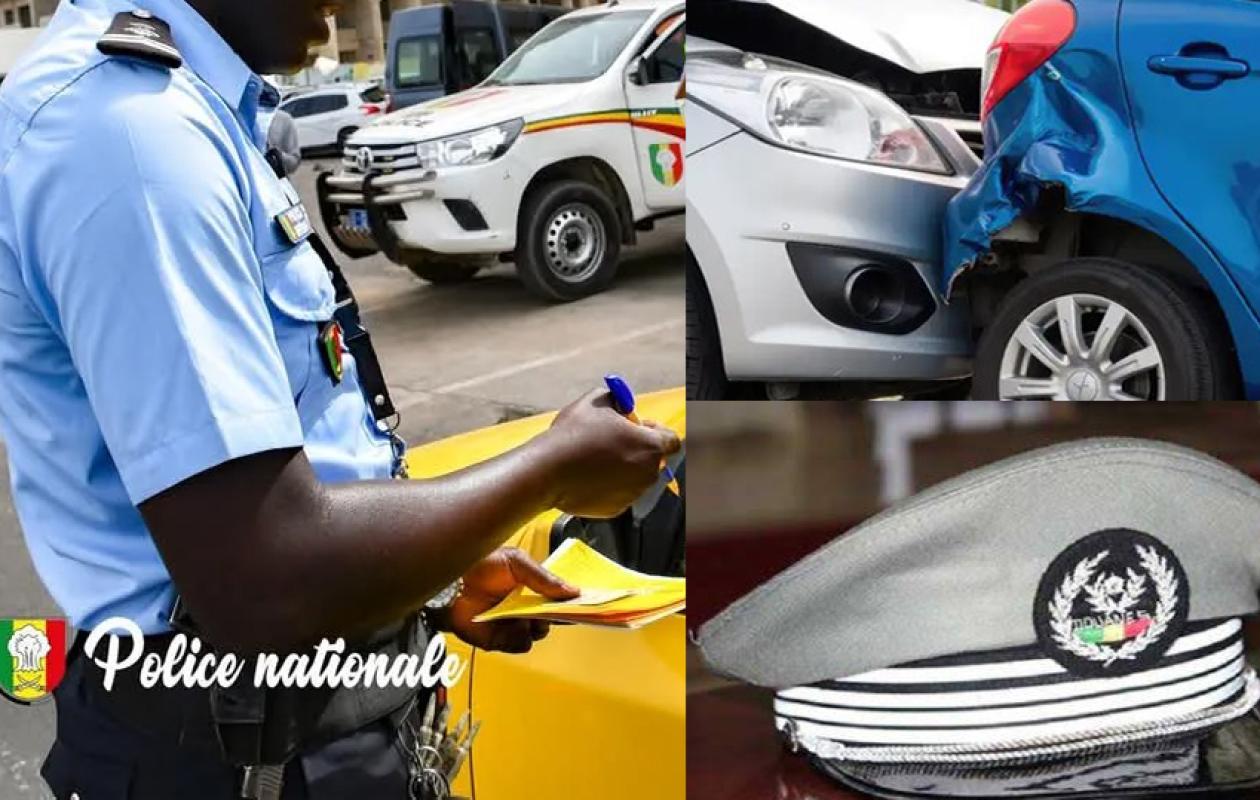
A 19-year-old individual, identified as N. Dieng, was recently taken into police custody following an altercation in Wakhinane Nimzatt. The incident, which led to his arrest, unfolded on a Monday evening after a collision involving a private vehicle and an official customs service car. Authorities allege that Dieng engaged in a series of actions against a customs officer present at the scene.
According to reports, N. Dieng is suspected of having insulted and issued threats towards the customs official. Furthermore, he is accused of attempting to physically restrain the officer at the location of the incident. These alleged actions prompted his apprehension by law enforcement, leading to his subsequent placement in detention after consultation with the public prosecutor.
The Accused's Defense
During questioning, N. Dieng acknowledged the events as they transpired, but offered an explanation for his conduct. He stated that his perception at the time was that the individual, who was a customs colonel, was not a legitimate officer but rather a fraudulent agent. Dieng claimed he believed this supposed "faux agent" was attempting to intimidate him, which he cited as the reason for his confrontational behavior.
This assertion forms the core of his defense regarding the N. Dieng douanier incident. His belief that he was dealing with an imposter rather than an authentic Wakhinane Nimzatt customs officer reportedly influenced his decision to challenge and attempt to detain the individual. The legal system will now weigh this explanation against the allegations of insult and obstruction of a public official.
Legal Context and Charges
The arrest of N. Dieng and the allegations of "insulte officier douanes Sénégal" highlight the serious legal consequences associated with interfering with public officials. Under Senegalese law, actions such as insulting, threatening, or obstructing an officer in the performance of their duties can lead to significant charges. The fact that Dieng is in garde à vue N. Dieng underscores the gravity with which such incidents are treated by the authorities.
Even if an individual genuinely holds a "faux agent douanier allégation," the law typically requires citizens to comply with official directives and to pursue complaints through appropriate channels rather than resorting to direct confrontation. The legal framework is designed to protect public servants, including customs officers, as they carry out their responsibilities, ensuring order and adherence to regulations. This case serves as a reminder of the importance of verifying official identities through established protocols, rather than making assumptions that could lead to legal trouble.
Why It Matters
This incident in Wakhinane Nimzatt carries broader implications for public interactions with state representatives. It underscores the potential legal risks individuals face when challenging or obstructing officials, even when operating under a mistaken belief about their authenticity. The case of N. Dieng's arrest for allegedly insulting and attempting to detain a customs officer, whom he perceived as a fake, illustrates a critical point of friction between public perception and legal obligations.
For citizens, understanding the proper procedures for verifying an official's identity and the legal boundaries of interaction is crucial. For legal professionals, this event provides a concrete example of the need to advise clients on the strictures surrounding public officials and the potential for charges like insult or obstruction of public duty under Senegalese law. The outcome of the N. Dieng arrest Wakhinane Nimzatt case will likely reinforce the message about respecting authority and following due process.
Practical Implications
This incident highlights the legal risks associated with obstructing or insulting public officials, even when an individual genuinely believes the official is not legitimate. Lawyers should advise clients on the importance of verifying official identities and the potential for charges like insult or obstruction of public duty under Senegalese law.
Source
Source: Original reporting via Kawtef
How does this affect you?
Get an AI analysis of this article grounded in your jurisdictions, practice areas, and any policy documents you've uploaded to Wansom.
Finish Reading the Full Story and the Expert Analysis.
Get the latest legal & regulatory intelligence in Senegal
Wansom is AI and can make mistakes.